
Introduction The modern manufacturing sector finds itself at a strange crossroads where record-breaking investments in high-tech software often fail to deliver the promised operational efficiency due to a fundamental breakdown in basic supplier data communication. While industry leaders pour
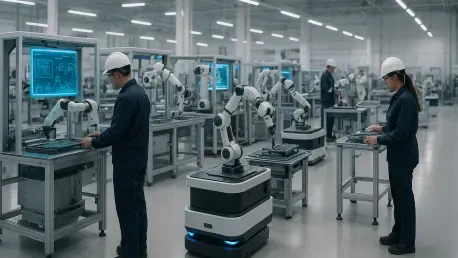
Traditional factories are being replaced by shared-use research environments that bridge the gap between theoretical material science and shop-floor application. This transformation represents a departure from the twentieth-century model of massive, static assembly lines toward a more agile and
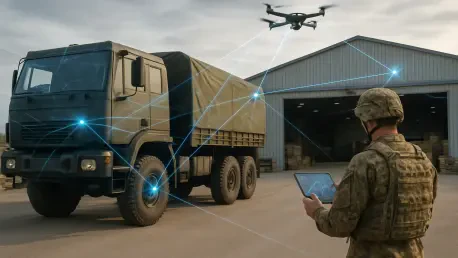
Logistics commanders are increasingly concerned that traditional sea and air supply routes would be the first targets for adversaries during a high-end conflict in the Pacific theater. To mitigate this risk, the United States military is aggressively pivoting toward a decentralized sustainment

The current state of luxury skincare and fragrance production is defined by a network of high-tech hubs that prioritize precision over traditional assembly methods. The United Kingdom has emerged as a central node in this global supply chain, housing facilities that serve as the primary

Global supply chains are increasingly favoring next-generation partners who can balance high-level creativity with a practical commitment to a circular economy. Yee Chain Industrial Co., Ltd. has taken a significant leap in manufacturing by integrating the Kornit Presto MAX S digital textile
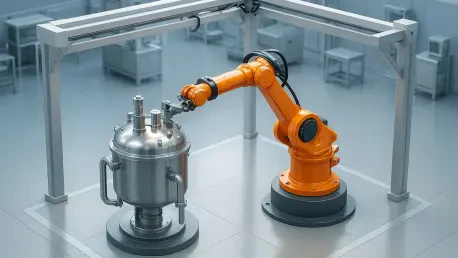
The integration of high-performance industrial robots on gantry systems has effectively eliminated the manual bottlenecks previously hindering vessel production. For the Fedegari Group, an Italian powerhouse in pharmaceutical autoclave manufacturing, the challenge of meeting skyrocketing global