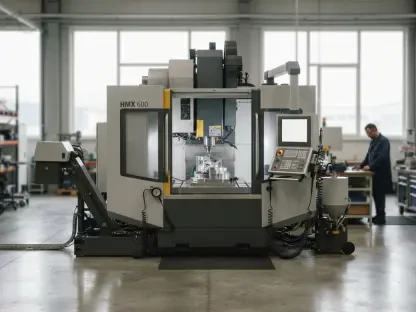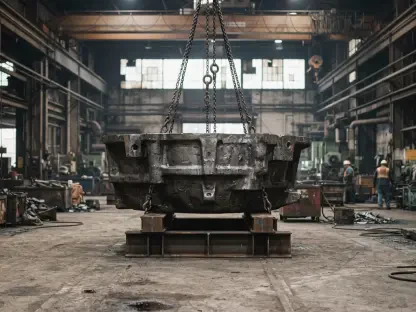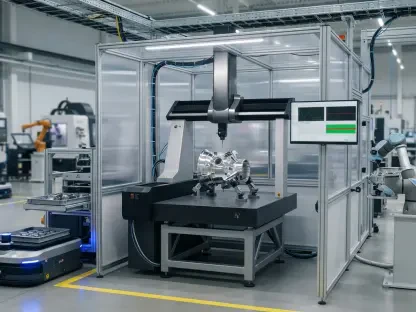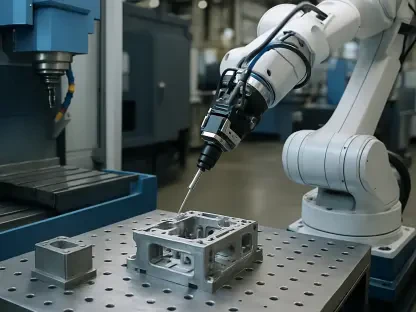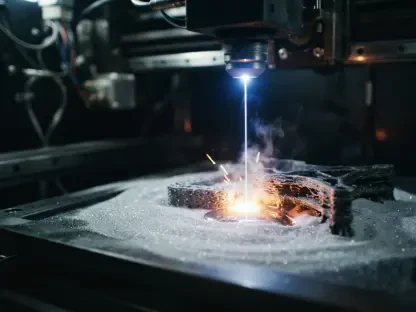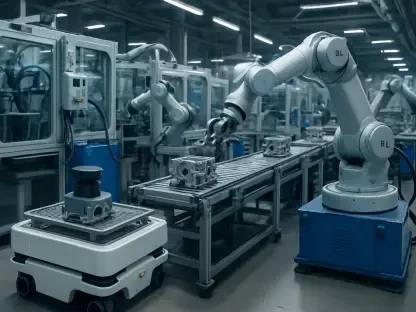

A modest five-degree Celsius fluctuation in shop floor temperature can cause a standard one-meter steel machine bed to expand by more than fifty-five micrometers. This physical reality creates a persistent challenge for modern precision engineering, where even the slightest thermal expansion can
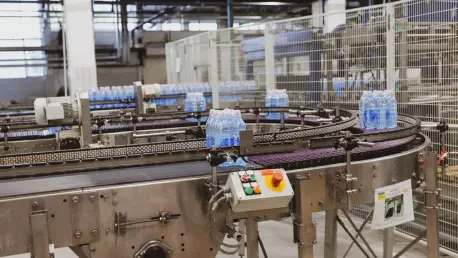
The global industrial sector currently stands at a crossroads where the hyper-efficiency of the past decades is being systematically overhauled by a new mandate for operational survival. For years, the gold standard for success involved stripping away every possible ounce of waste, turning

The life sciences industry is currently witnessing a massive paradigm shift as traditional batch manufacturing gives way to highly agile, data-driven production environments. This transition is exemplified by the recent consolidation of specialized engineering expertise within global automation

The rapid transition from experimental tinkering to high-stakes industrial additive manufacturing has fundamentally changed how professionals perceive filament selection and material science today. As of 2026, the desktop 3D printing industry is no longer satisfied with general-purpose materials
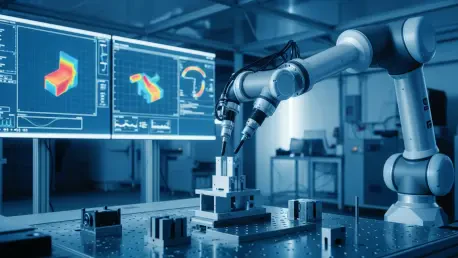
The traditional pace of scientific discovery, often characterized by years of painstaking trial and error in a manual laboratory setting, is currently undergoing a radical transformation as Lawrence Livermore National Laboratory integrates high-level artificial intelligence and modular robotics.
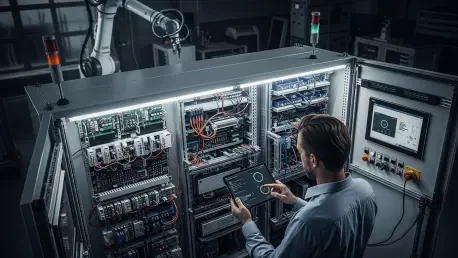
The manufacturing sector currently faces a profound shortage of specialized control engineers, a deficit that frequently results in expensive delays and rigid, unscalable production lines across the globe. For decades, the barrier to entry for advanced industrial automation remained tied to the