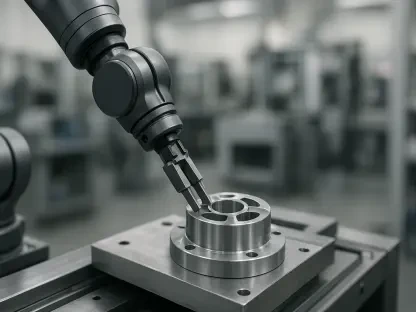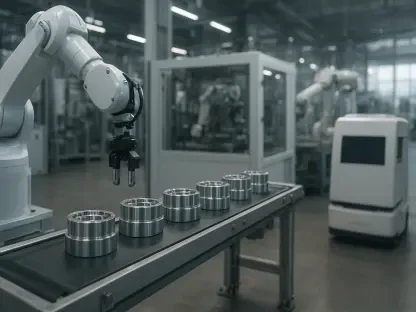

The integration of computer vision allows 3D printers to segmentize newly deposited material and distinguish it from the existing lattice structure. This groundbreaking advancement, pioneered by researchers at Lawrence Livermore National Laboratory, provides additive manufacturing systems with what

Six days after being printed with tomographic volumetric methods, human cells within a synthetic ear structure were found to be organizing into complex biological networks. This breakthrough marks a definitive shift in the fabrication landscape of 2026, where the slow, additive layering of the past
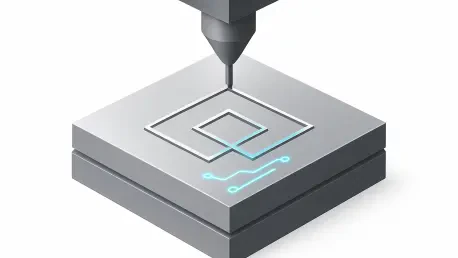
Higher scanning speeds typically result in a reduced average grain area and a higher total grain count due to faster cooling rates and lower heat input. This fundamental principle of metallurgy dictates the structural integrity of components produced via Laser Directed Energy Deposition (L-DED).
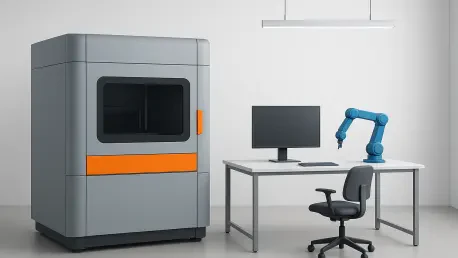
Automation Alley CEO Pavan Muzumdar argues that human judgment remains the essential factor in manufacturing even as technology becomes increasingly commoditized. This perspective serves as the cornerstone for the newly established Advanced Manufacturing Center of Excellence, a collaborative
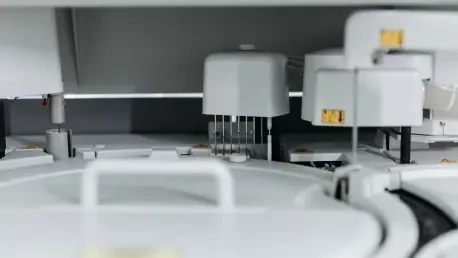
Integrating automated verification directly into the production flow enables manufacturers to generate the reliable data needed for rapid batch releases and audits. This proactive approach represents a fundamental move away from retrospective quality control toward a data-driven methodology that
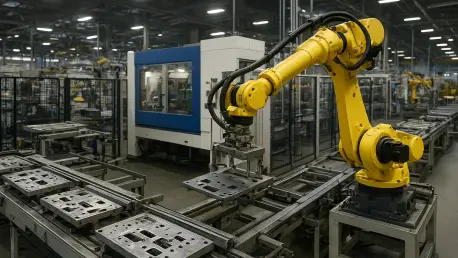
The domestic market in the United States is anticipated to reach $21.24 billion by 2035 as domestic manufacturers prioritize predictive maintenance and real-time operational visibility. This significant financial milestone reflects a broader global shift toward a fully digitized industrial