
The shift to a dedicated robotaxi platform without traditional controls represents a massive gamble on a future where human drivers are no longer necessary. This strategic pivot marks the definitive conclusion of Cybertruck manufacturing at Gigafactory Texas, with operations set to wind down by the middle of next year. By reallocating the extensive floor space and technical resources currently dedicated to the all-electric pickup, the organization aims to accelerate the production of the Cybercab. This move follows a historical pattern of prioritizing high-potential robotics and automation projects over established hardware lines, much like the previous shift from traditional sedan production to the development of the Optimus humanoid robot. The transition highlights a fundamental change in corporate philosophy, where the focus has moved from capturing the utility vehicle market to establishing a dominant position in the autonomous transit sector through specialized, driverless vehicle designs.
Strategic Realignment: Transitioning Giga Texas Operations
Engineering the Cybercab: A New Architectural Focus
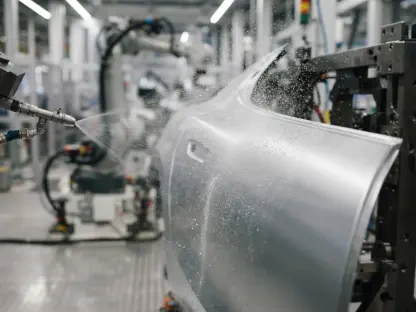
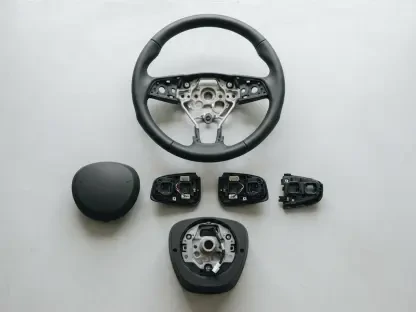
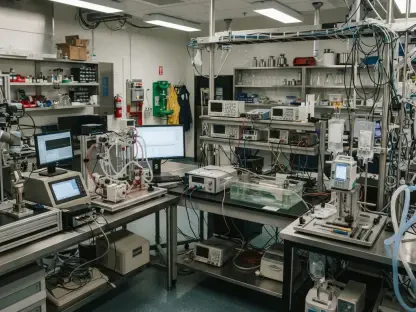
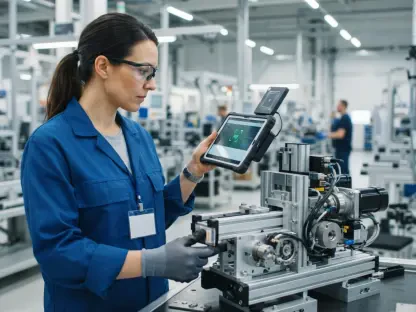
The engineering transition at the Austin facility involves a comprehensive overhaul of the existing assembly lines to accommodate the unique requirements of a control-free vehicle. Unlike the current pickup, which requires complex stamping for its stainless-steel exoskeleton, the new autonomous units are built on a platform that prioritizes sensor integration and interior passenger space. The removal of steering wheels, brake pedals, and traditional dashboard assemblies allows for a radical redesign of the cabin, turning the vehicle into a mobile lounge rather than a driving machine. Technical teams have already begun the process of decommissioning specific robotic cells to make way for high-precision calibration equipment necessary for Level 5 autonomy. This pivot suggests that the company is willing to abandon a high-profile hardware project to focus on a singular, scalable architecture that can be deployed across global ride-hailing networks. The goal is to create a more efficient manufacturing process that reduces per-unit costs while maximizing software compatibility.
Economic Realities: Navigating Demand and Pricing Shifts
Financial considerations have played a significant role in the decision to truncate the lifecycle of the electric truck, particularly as market demand failed to meet initial projections. While the project initially saw a surge in interest with over a million reservations based on a lower price point, the final production version launched at approximately eighty thousand dollars, effectively doubling the cost for early adopters. This price escalation, combined with the unconventional design, led to a significant cooling of consumer interest and a high rate of reservation cancellations. Current data indicates that the production line is operating at less than twenty percent of its total annual capacity of one hundred and thirty thousand units, resulting in significant overhead costs. By ending production, the company can mitigate the financial drain caused by an underutilized factory and refocus its capital on projects with higher potential margins. The shift represents a tactical withdrawal from a niche market segment that struggled to achieve the economies of scale necessary for long-term profitability.
Global Implications: Redefining Mass Market Ambitions
Corporate Strategy: Moving Toward Software Dominance
The cessation of pickup production signals a broader change in the company’s long-term objective of manufacturing twenty million vehicles annually. Plans for massive new factories in Mexico, India, and Indonesia have been officially shelved as the corporate focus pivots from hardware volume to software-driven services. This contraction suggests that the leadership has recognized the challenges of maintaining rapid physical expansion in an increasingly competitive global electric vehicle market. Instead of competing on sheer numbers against legacy automakers, the strategy now emphasizes the development of a proprietary autonomous ecosystem. This shift allows the organization to leverage its existing data advantages while reducing the risks associated with building and maintaining heavy industrial infrastructure in multiple international territories. Consequently, the company is transforming from a traditional high-volume manufacturer into a specialized tech entity focused on providing autonomous mobility solutions. This move aims to secure a more sustainable business model that relies on recurring software revenue.
Legacy Fleet Management: Addressing Owner Concerns
Owners of the existing fleet faced immediate logistical challenges as the announcement confirmed that the specialized production lines would soon be shuttered. With unique parts and structural components no longer in active manufacturing, the long-term maintenance of these vehicles required a new approach from the service network. Strategic planners implemented specialized support programs to ensure that early adopters could access essential repairs, even as the focus moved toward the Cybercab. Some industry experts suggested that the company evaluated vehicle buy-back initiatives for units with complex mechanical failures to avoid the difficulties of sourcing rare components. Prospective steps for remaining owners included securing secondary service contracts and documenting specialized maintenance procedures while technical expertise remained available. Ultimately, the transition demonstrated how the organization prioritized future transit models over legacy hardware support. By establishing a robust digital service infrastructure, the company addressed immediate concerns while paving the way for a fully autonomous transportation era.