
Strategic growth in the furniture sector now hinges on the ability to provide responsive customer service and technical support that distant overseas competitors struggle to offer. The European market landscape has shifted dramatically, forcing long-standing manufacturers to reconsider their quiet roles as secondary suppliers. For thirty years, companies like Nova Polska thrived as anonymous producers for the German-speaking DACH region, relying on third-party distributors to handle the complexities of brand presence and customer engagement. Today, however, a downturn in consumer demand, coupled with a wave of factory closures and restructuring, has rendered the old model obsolete. Survival now demands a transition from the shadows and into the spotlight of direct brand recognition. By establishing a transparent identity, regional players are finding they can leverage their internal stability to navigate economic turbulence that often paralyzes larger, less agile global entities. This proactive pivot is not just about survival; it is about reclaiming the narrative of craftsmanship and reliability in an increasingly crowded marketplace.
Rising Pressure From Global Importers
The threat landscape is no longer defined solely by low-cost labor from Asia, but by a sophisticated improvement in quality and logistical infrastructure. Industry experts, including director Daniel Gerc, observe that Chinese furniture manufacturers have evolved beyond basic replication, now producing goods that rival European standards in both aesthetics and durability. Furthermore, the strategic establishment of large-scale Chinese distribution centers within European borders, particularly in Poland, has created a direct threat to domestic businesses. This proximity allows overseas competitors to bypass the traditional hurdles of transoceanic shipping, placing immense pressure on local manufacturers who already struggle with the volatile costs of labor, energy, and inland transportation. The presence of these hubs suggests that the competitive advantage of being “local” is eroding, necessitating a more complex response than simple price cutting or standard manufacturing. Companies must now anticipate a market where the barrier between domestic and foreign goods is virtually invisible to the average buyer.
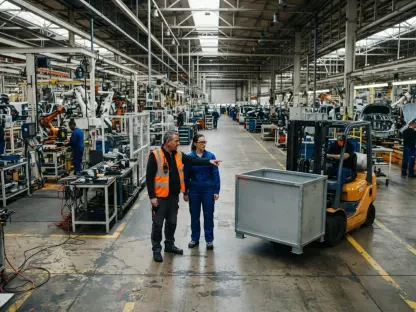
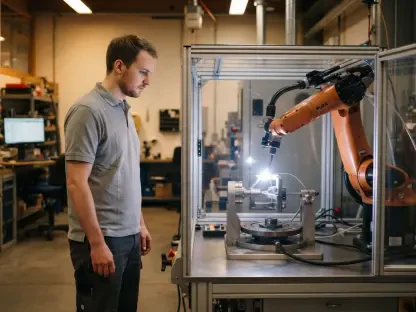
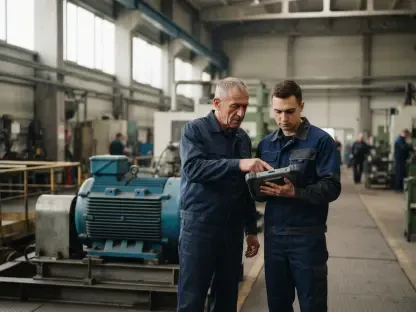
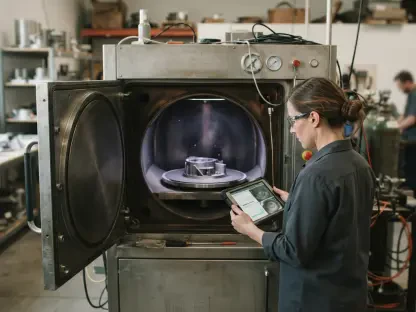
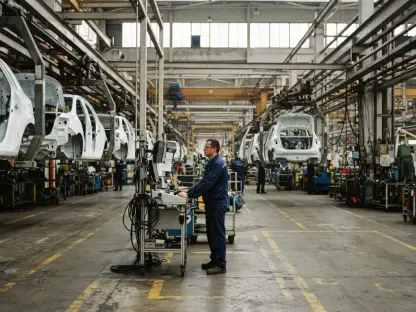
To counter this encroachment, European firms are forced to analyze their operational efficiencies with renewed intensity. The rising costs of production in Central Europe have made the old volume-based competition difficult to maintain without significant technological investment. Modern factories are now integrating automated cutting systems and advanced ERP software to mitigate the impact of labor shortages and wage inflation. This internal optimization is crucial because it allows brands to maintain a competitive “value-for-money” ratio even as external economic pressures mount. By streamlining the path from raw timber to finished upholstery, manufacturers can offer pricing that remains attractive to the cost-conscious middle class without sacrificing the quality labels associated with European production. The objective is to create a shield of efficiency that protects the brand from the aggressive price-slashing strategies often employed by global importers looking to capture a larger share of the continental market through sheer scale.
Strategic Evolution and Brand Resilience
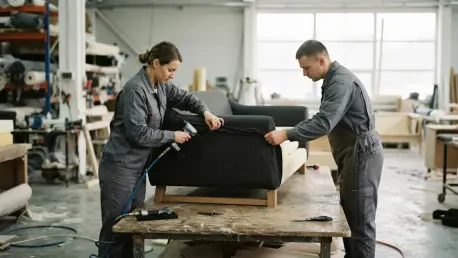
While global giants excel at mass-producing standardized items, European manufacturers find their edge in flexibility and the ability to offer a variety of customizable configurations. Consumers in 2026 are increasingly seeking personalized living spaces, a trend that favors producers capable of altering dimensions and finishes at a moment’s notice. This degree of variety is difficult for overseas competitors to replicate, as their business models typically rely on high-volume shipments of identical SKUs. Regional brands can maintain a tight feedback loop between the design floor and the retail showroom, ensuring that current trends are reflected in the catalog within weeks. Success at events like the Warsaw Home & Contract fair confirmed the potential for this approach, as the quality and pricing of new collections drew praise from industry peers. This has prompted a long-term strategy that includes a major presence at the Poznań fair in 2027 to secure EU-wide B2B partnerships. These brands now serve as high-volume partners that retain the agility of a specialized local workshop.
The transition from a quiet supplier to a visible market leader required a fundamental shift in how European manufacturers perceived their role in the global economy. Companies that successfully navigated this period did so by synthesizing decades of manufacturing expertise with a bold, transparent brand identity that resonated with modern consumers. They recognized that survival was not found in competing on price alone, but in offering a holistic package of original design, speed, and reliable service. Actionable growth relied on deep technological integration and the cultivation of local talent to drive innovation in sustainable materials. The most effective strategy involved moving away from a defensive posture and toward an aggressive expansion into high-value B2B sectors. By prioritizing agility and maintaining a high standard of customizable production, these brands established themselves as the primary counterweight to global imports. The lessons learned during this era of restructuring provided a blueprint for future growth, emphasizing that a brand’s strength lies in its proximity to the customer.