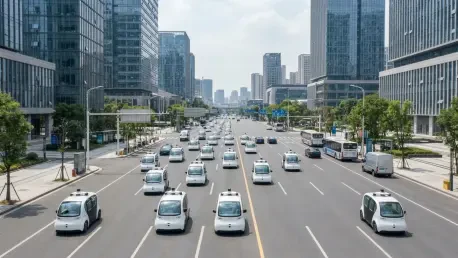

By utilizing the world’s most sophisticated automotive supply chain, Waymo gains the manufacturing prowess necessary to compete with emerging autonomous firms from China and Europe. This landmark collaboration between Alphabet Inc.’s autonomous driving subsidiary and Toyota, the world’s most valuable automotive brand, represents a pivotal transition from localized pilot programs to a high-volume, global commercial enterprise. Announced in late 2026, the expanded deal shifts the industry focus from experimental testing to industrial-scale production. The core of this agreement centers on the manufacture of a purpose-built, autonomous version of the Toyota bZ4X, an all-electric SUV that will serve as the foundation for Waymo’s international ride-hailing expansion. By merging Waymo’s advanced AI software with Toyota’s peerless production capabilities, the alliance aims to solve the primary logistical challenges that have previously limited the growth of driverless technology across major global cities.
Industrial Synergy and Product Innovation
Factory Integration: The Takaoka Production Model
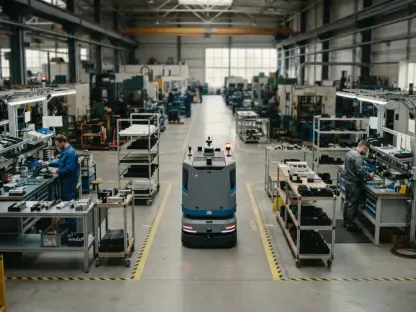
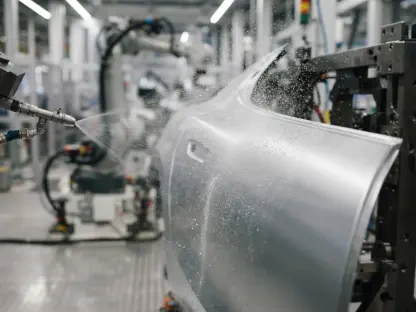
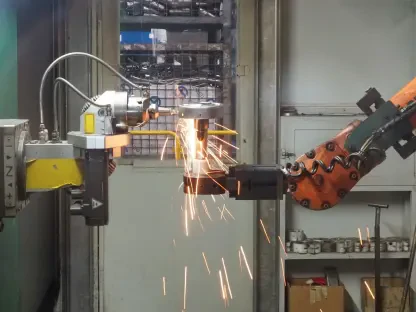
The transition from aftermarket retrofitting to factory-level integration marks a significant milestone in the industrialization of autonomous vehicles. Historically, Waymo integrated its sensor suites and compute platforms into existing vehicle models at specialized modification centers, a process that was both time-consuming and difficult to scale. Under the new agreement, the “Waymo Driver” system is installed directly on the assembly lines at Toyota’s Takaoka plant in Japan. This “under one roof” manufacturing philosophy allows for the seamless inclusion of critical safety components, such as redundant braking and steering systems, during the primary build process. By embedding these Level 4 requirements into the vehicle’s chassis from the start, the partnership ensures higher quality control and a more robust mechanical foundation. This streamlined approach significantly reduces the time required to prepare a vehicle for deployment, allowing the fleet to grow at a pace that was previously impossible to achieve with manual modifications.
Beyond the technical integration of hardware, the partnership focuses on creating a specialized cabin environment tailored specifically for the ride-hailing market. The autonomous bZ4X features a redesigned interior that prioritizes passenger comfort and operational efficiency over traditional driving ergonomics. Key modifications include significantly expanded rear legroom, automatic doors, and a power liftgate to assist passengers with luggage. Ambient lighting and premium finishes are utilized to elevate the service from a standard utility to a premium transportation experience, distinguishing the brand from conventional public transit or lower-end competitors. These design choices reflect a deep understanding of user behavior in shared mobility environments, where the vehicle serves as a mobile lounge rather than a machine for driving. By optimizing the interior for the passenger rather than the operator, the companies are positioning the bZ4X as a gold standard for urban mobility, ensuring that every ride provides a consistent and high-quality environment.
Technical Reliability: Redundancy and Safety Standards
Engineering a vehicle for Level 4 autonomy requires a level of mechanical redundancy that goes far beyond standard consumer electronics. The autonomous Toyota bZ4X is equipped with multiple layers of backup systems for every critical function, including power distribution, communication buses, and actuator controls. These redundancies ensure that even in the event of a component failure, the vehicle can safely navigate to a stop or continue its route without human intervention. This rigorous focus on hardware reliability is complemented by Waymo’s extensive library of real-world driving data, which includes over 400 million kilometers of autonomous operation. The combination of Toyota’s legendary reputation for manufacturing reliability and Waymo’s software expertise creates a safety profile that is designed to satisfy the world’s most stringent regulatory bodies. This collaborative engineering effort ensures that the fleet can handle the diverse and unpredictable conditions found in complex urban environments without compromising on safety.
The safety narrative is central to winning public trust and securing the necessary permits for international expansion. Waymo’s internal data highlights a significant statistical advantage, showing that its driver system is considerably safer than human operation in terms of avoiding crashes that lead to serious injuries. To further bolster this reputation, the companies are collaborating on broader road-safety initiatives through the “Woven by Toyota” subsidiary. This project focuses on the intersection of vehicle intelligence and urban infrastructure, aiming to create a standardized safety protocol for autonomous operations globally. By establishing these benchmarks, the alliance is not only improving its own fleet but also helping to shape the regulatory landscape for the entire industry. This proactive approach to safety and reliability is intended to ease public skepticism and provide a clear roadmap for city officials who are considering the integration of robotaxis into their local transportation networks.
Strategic Global Commercialization
Market Adaptation: Mastering Right-Hand-Drive Engineering
A major pillar of the Waymo-Toyota partnership is the strategic focus on right-hand-drive markets, which have traditionally been underserved by the autonomous vehicle industry. Most self-driving development has occurred in left-hand-drive regions, leaving a significant gap in markets like Japan and the United Kingdom. By leveraging Toyota’s extensive experience in engineering vehicles for diverse global standards, Waymo can effectively adapt its technology to function seamlessly in these new environments. This adaptation involves more than just moving the hardware to the other side of the vehicle; it requires retraining perception systems and planning algorithms to handle different traffic flow patterns and road layouts. The ability to master these engineering challenges provides the partnership with a massive first-mover advantage in some of the world’s most lucrative and densely populated urban centers. This geographic flexibility is a key differentiator that allows the alliance to expand its footprint far beyond the borders of the United States.
The focus on international markets also serves as a strategic hedge against the saturation of the North American market and the rise of localized competitors. While many autonomous firms are focused on individual cities or states, the Waymo-Toyota alliance is thinking on a hemispheric scale. By establishing a presence in major hubs like Tokyo and London, the companies can collect a broader variety of data and learn how to navigate different cultural and regulatory attitudes toward driverless technology. This global perspective is essential for building a truly scalable business model that is not reliant on a single political or economic climate. Furthermore, the partnership allows both companies to share the financial and technical risks associated with entering new markets. This collaborative approach to global scaling ensures that the rollout remains sustainable and that the technology can be refined based on a wide range of operational feedback. This strategy solidifies their position as leaders in the race to dominate the emerging global mobility market.
The Deployment Roadmap: International Scaling and Logistics
The roadmap for global deployment began with intensive testing and validation phases in 2026, leading toward the launch of commercial services in 2027. The first major international rollout is slated for Tokyo, where the partnership is already conducting manual mapping and testing with safety drivers to ensure the system can handle the city’s unique traffic dynamics. Following the Japanese launch, the fleet is expected to expand into London, where the companies are working closely with local authorities to navigate the United Kingdom’s specific regulatory frameworks. Further growth is planned for Spain and Canada, with Madrid and Toronto serving as the primary entry points for those regions. To manage the logistical complexities of these diverse operations, Waymo is establishing partnerships with fleet management experts to handle vehicle maintenance and storage. This multilayered approach to deployment ensures that each city has a tailored strategy that accounts for local infrastructure and passenger needs while maintaining a global standard.
The alliance between Waymo and Toyota established a new benchmark for how technology firms and traditional manufacturers navigated the complexities of global scaling. By prioritizing factory-level integration over aftermarket retrofitting, the partners successfully addressed the primary bottlenecks that slowed earlier autonomous deployments. Industry leaders moved toward adopting similar vertically integrated strategies to remain competitive against rapid advancements from international rivals. This shift encouraged a broader acceptance of Level 4 technology as the standard for urban mobility in major metropolitan hubs. Future development focused on harmonizing these autonomous platforms with municipal infrastructure to optimize traffic flow and energy consumption. The transition toward mobility as a service became more pronounced as fleet operations proved to be a more viable economic model than individual vehicle ownership. Stakeholders throughout the automotive ecosystem recognized the necessity of establishing clear regulatory frameworks to facilitate the continued rollout of these sophisticated fleets.