
The rapid turnover of consumer technology often leaves households with a growing graveyard of obsolete devices that pose significant ecological and security risks if handled improperly. On Saturday, November 14, 2026, the Saline Recreation Center will serve as the primary hub for an essential electronics recycling initiative designed to address these modern challenges. This event represents a collaborative effort between the global technology provider Oracle and the specialized processing firm Dynamic Lifecycle Innovations, offering Michigan residents a professional-grade disposal route for unwanted hardware. By providing a secure and cost-free method to manage household electronics such as computers, smartphones, and televisions, the program aims to divert toxic materials from local landfills while recovering valuable components. It provides a localized response to the broader global e-waste crisis, ensuring that the community has the resources necessary to participate in high-level sustainability practices without the barriers of cost or complex logistics.
Strengthening Environmental Resilience: Strategic Corporate Partnerships
Sustainable Corporate Goals: Integrating Local Community Needs
Oracle has anchored its involvement in this event within a broader corporate strategy to achieve a 90% waste diversion rate from its operations by 2035. This long-term commitment recognizes that the responsibility of a technology manufacturer does not end at the point of sale but extends through the entire lifecycle of the product. By sponsoring community-level collection events, the corporation effectively bridges the gap between high-level environmental targets and the practical needs of residents who possess obsolete equipment. This sponsorship model allows for the deployment of industrial-scale recycling resources in a local context, ensuring that the infrastructure for responsible disposal is accessible to everyone. Such partnerships are vital because they provide the financial and logistical backing required to handle hazardous components like lead and mercury, which are frequently found in older electronics. This integration of corporate resources into the municipal waste management framework demonstrates a sophisticated approach to environmental stewardship that prioritizes collective ecological health.
Resource Recovery: The Impact of Circular Economy Models
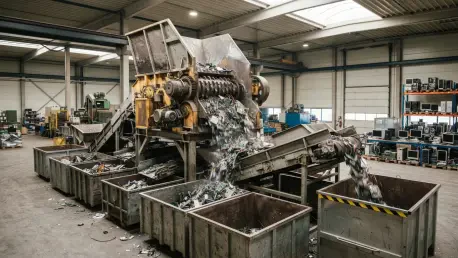
The partnership with Dynamic Lifecycle Innovations enables the transition from a traditional disposal model to a circular economy where materials are continuously recaptured and reused. During the Saline event, the focus shifts from merely discarding trash to the precision extraction of rare earth metals, high-grade plastics, and precious metals like gold and copper. These recovered materials are then reintroduced into the manufacturing supply chain, significantly reducing the environmental impact associated with new raw material extraction and mining. This process not only conserves natural resources but also reduces the energy consumption required to create new technological components from scratch. By participating in this regional initiative, residents contribute to a sophisticated industrial loop that treats their old laptops and monitors as valuable reservoirs of material rather than useless waste. This systemic change in resource management is essential for sustaining the technological growth of the modern era without exhausting the planet’s finite mineral reserves or polluting the soil.
Navigating the Logistics: Secure Disposal and Efficiency
Protecting Digital Privacy: Advanced Data Sanitation Protocols
The primary concern for many individuals regarding electronics recycling is the potential for data breaches, as discarded hard drives often contain sensitive financial and personal information. To address this, the Saline event utilizes rigorous chain-of-custody procedures managed by specialists to ensure that every device is tracked from the moment of drop-off to its final destruction. Dynamic Lifecycle Innovations employs industry-standard data sanitation protocols that either physically destroy data-bearing components or use advanced software to overwrite existing information. This professional level of security provides residents with the peace of mind that their digital identities remain protected throughout the recycling process. Unlike general waste collection where devices might be scavenged, this specialized program treats every piece of hardware as a security asset. This focus on “next best life” logistics ensures that if a device is suitable for refurbishment, it is completely cleared of any previous user data, while non-functional units are ground down into base materials in a controlled environment.
Maximizing Public Participation: Streamlined Drive-Through Systems
To ensure the highest possible participation rates, the organizers have designed the Saline event around a convenient drive-through format that minimizes the effort required from residents. On the day of the collection, participants can arrive at the Recreation Center and remain in their vehicles while trained staff members handle the physical task of unloading heavy or bulky electronics. This accessibility is a key factor in preventing e-waste from being tossed into standard trash bins, as it removes the logistical hurdles often associated with transporting large monitors or desktop systems. No prior registration is required for Michigan residents, making the service an immediate and inclusive solution for managing household clutter. Furthermore, the organizers suggest that individuals perform basic digital housekeeping before arriving, such as backing up critical files and logging out of cloud services. These preparatory steps, combined with the efficient onsite processing, create a seamless experience that encourages the community to view professional recycling as the standard method for managing the obsolescence of their digital tools.
Future Considerations: Sustainable Practices and Actionable Outcomes
The implementation of the Saline electronics recycling initiative provided a definitive solution for residents to manage their digital waste responsibly while protecting their personal privacy. Participants benefited from a system that prioritized security and ecological health, highlighting the effectiveness of public-private partnerships in addressing complex waste management issues. To maintain this momentum, experts recommended that individuals conduct a semi-annual audit of their household technology to prevent the accumulation of hazardous materials in storage. The event demonstrated that proactive hardware management was most successful when community members utilized certified facilities that guaranteed the destruction of sensitive data and the recovery of precious resources. Moving forward, the most effective strategy involved staying informed about upcoming collection dates and adopting the habit of preparing devices for recycling as soon as they reached the end of their functional life. By choosing these professional disposal routes, the community successfully integrated sustainable habits into their daily routines, ensuring that local environmental protections remained robust and that valuable materials were kept within the productive economy.