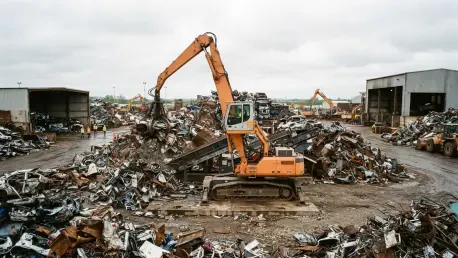

A single mechanical failure in a scrap-handling chain can halt the entire production process, transforming a productive workday into a series of expensive logistical and financial challenges. In the current landscape of 2026, where global demand for recycled materials continues to surge, the operational availability of heavy machinery has become the primary differentiator between market leaders and those struggling with insolvency. While many managers historically viewed the grease gun and the technician as drains on the bottom line, modern scrap yards treat these elements as fundamental components of their profit engine. Every hour a material handler sits idle represents more than just a repair bill; it signifies a complete cessation of the revenue cycle, affecting everything from load schedules to shipping contracts. By integrating maintenance directly into the business strategy, facility owners can reclaim control over their production timelines and ensure their capital yields maximum returns.
The Financial Correlation: Machine Uptime and Throughput
The direct relationship between consistent machine performance and the volume of material processed is the bedrock of a successful recycling enterprise. In high-volume facilities, the flow of material must remain uninterrupted to meet the stringent demands of modern supply chains, where just-in-time logistics often dictate the pace of work. When equipment operates at peak efficiency, the facility can achieve optimal throughput, which effectively lowers the overhead cost per ton of material handled. Conversely, any degradation in machine performance translates into a slower processing speed, which quietly erodes profit margins long before a total breakdown occurs. Industry experts emphasize that the most sustainable form of profit comes from the money that is never spent on reactive crisis management. By maintaining a high state of readiness, operators can avoid the sudden, crushing expenses associated with emergency logistics and the frantic redistribution of labor that follows a mechanical failure.
Beyond the immediate loss of production volume, the secondary financial impacts of equipment failure can be devastating to a yard’s long-term financial health. The necessity of renting replacement machinery on short notice often comes with exorbitant premiums and logistical hurdles that further complicate the recovery process. Furthermore, the reputational damage associated with missed delivery deadlines can lead to the loss of valuable contracts in an increasingly competitive market. To mitigate these risks, sophisticated yard operators have shifted their focus toward a model of predictable spending, where scheduled service intervals are treated with the same importance as sales targets. This disciplined approach allows for better cash flow management, as repair costs are spread evenly over the life of the machine rather than appearing as sudden, massive shocks to the budget. Protecting the equipment’s health is therefore synonymous with protecting the organization’s solvency and its ability to reinvest in its growth.
Mitigating Internal Erosion: The Impact of Contamination
Recycling environments are inherently hostile to precision machinery, characterized by abrasive dust, metallic shards, and extreme physical stresses that can accelerate wear at an alarming rate. The “slow death” of an engine often starts with something as seemingly insignificant as a clogged air filter or a brittle rubber seal. When filtration systems are neglected, external contaminants gain access to the engine’s internal architecture, turning once-smooth lubricants into abrasive slurries that grind away at pistons and cylinders. This internal contamination creates a cascading effect of failures, where high-pressure fuel and hydraulic systems are compromised by microscopic particles. Regular lubrication and strict adherence to filtration schedules are the only effective defenses against this inevitable environmental onslaught. Without these interventions, friction-induced heat and physical resistance can cause vital joints to seize, necessitating costly replacements and intensive labor that could have been avoided with standard preventive care.
A frequently overlooked source of systemic failure lies at the very end of the boom, where grapples and other attachments interface with raw scrap. Research into machine longevity has revealed that a significant majority of hydraulic system contamination actually originates within the attachments rather than the main machine body. As the tips of grapple tines wear down through constant contact with abrasive metals, the hydraulic cylinders are forced to travel beyond their designed range to achieve a full closure. This chronic overextension causes the piston to repeatedly impact the cylinder head, shearing off tiny metallic fragments known as metal fines. These fragments are then flushed back into the central hydraulic reservoir, where they act as silent killers of pumps and valves throughout the entire machine. By focusing on the condition of attachments, yard managers can prevent a localized wear issue from evolving into a total hydraulic catastrophe that requires flushing the entire system and replacing sensitive, expensive components.
Establishing Autonomy: Frameworks for Long-Term Profit
Achieving a state of operational autonomy requires a fundamental shift in how personnel interact with their machinery on a daily basis. Instead of relying solely on external service providers who may be hours or days away, leading facilities now prioritize the development of internal expertise and the maintenance of on-site inventory. Creating “uptime kits”—curated sets of essential connectors, seals, filters, and wear parts—allows for the immediate resolution of minor issues before they can escalate into major shutdowns. This proactive inventory management transforms what would have been a three-day delay for a shipped part into a brief two-hour service interval. Furthermore, the implementation of standardized walk-around inspections ensures that every operator is an active participant in the machine’s health. By documenting small changes in fluid levels or unusual noises, the staff creates a diagnostic history that enables predictive maintenance, allowing the yard to schedule repairs during natural lulls in production shifts.
In the pursuit of long-term profitability, forward-thinking organizations have moved beyond simple fix-on-fail routines to embrace a comprehensive culture of equipment stewardship. They recognize that the true cost of neglect far exceeds the price of high-quality lubricants and trained technicians, leading to a focus on technical education and diagnostic precision. Operators become the first line of defense, empowered with the knowledge to identify mechanical anomalies before they reach a critical state. This transition to a proactive framework successfully preserves the integrity of hydraulic circuits and extends the operational life of material handlers by several thousand hours. Moving forward, the most successful facilities have adopted digital monitoring tools to further refine their service windows, ensuring that every dollar spent functions as a direct investment in the yard’s throughput capacity. By securing this mechanical autonomy, these businesses have solidified their position in the industry, turning maintenance from a heavy burden into a decisive and lasting competitive advantage.