
Strategic resource independence is becoming an offensive strategy for automotive brands looking to mitigate the risks of future recyclate scarcity and rising material costs. This transformation is currently moving the global automotive industry away from a century-old linear model, characterized by extraction and eventual disposal, toward a sophisticated circular framework. The shift is not merely a response to environmental idealism but a strategic necessity born of stringent regulatory mandates and escalating costs. Today, sustainability has evolved from a superficial corporate checkbox into a deeply integrated operational philosophy that is restructuring the entire global value chain for major manufacturers. This transition is no longer dictated by a single objective like simple decarbonization; instead, it is a nuanced shift driven by a diverse array of priorities, from renewable energy integration to brand reputation. As procurement decisions now factor in sustainability at nearly every level, the industry is proactively seeking a competitive edge through internal values and carbon traceability.
Integrating Advanced Energy and Material Systems
Decarbonizing the Factory Floor
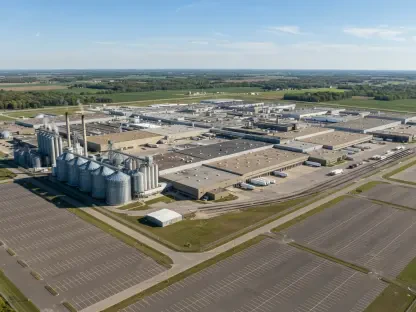
A primary example of this fundamental transformation can be seen in the retrofitting of legacy facilities into modern zero-impact factories. In certain high-output plants, such as those in Portugal, engineers are implementing massive geothermal networks that utilize hundreds of boreholes to handle heating and cooling. This infrastructure shift replaces natural gas combustion entirely, significantly lowering energy consumption across the site. By integrating these 80-kilometer geothermal systems, manufacturers are making infrastructure choices that will dictate their environmental footprint for the next four decades. Such deep decarbonization efforts show that the industry is no longer satisfied with marginal gains but is instead focused on foundational changes to how energy is consumed during the assembly process.
Beyond thermal energy, the electrification of the paintshop represents one of the most impactful shifts in modern vehicle assembly. Since paintshops typically account for approximately 60% of a plant’s total energy use, transitioning to electrified ovens and primerless water-based coatings is essential for reaching net-zero goals. These technological updates have already demonstrated the potential to cut painting-related carbon emissions by nearly half. Manufacturers are now viewing these upgrades as essential investments rather than optional improvements, as they directly contribute to the long-term viability of the production site. The move toward electrified thermal processes ensures that as the power grid becomes greener, the entire manufacturing process automatically follows suit, creating a future-proof production environment.
Closing the Loop on Steel Production
Steel remains the most energy-intensive component of vehicle production, prompting a move toward formal closed-loop agreements between manufacturers and suppliers. Instead of selling factory floor scrap for low-value local applications, many automotive brands are installing high-tech baling presses to compress line-end metal. These compressed bales are then returned directly to steel producers to be reborn as new coils, creating a circular raw material flow that significantly reduces the reliance on virgin ore. This approach reflects a growing understanding within the industry that the end-of-life for a piece of scrap is actually the beginning-of-life for the next product, effectively decoupling growth from raw material extraction.
The data suggests that the industry is nearing a tipping point in steel recycling, with a large majority of companies now maintaining formal recycling targets. Approximately 20% of manufacturers have already forged direct closed-loop partnerships with steel suppliers, ensuring that high-quality low-carbon steel remains within their own supply chains. Despite persistent myths regarding the quality of recycled materials, modern low-carbon steel offers the same strength, durability, and formability as conventional options. Industry leaders are now shifting the conversation from why decarbonization is necessary to how it can be implemented practically on a global scale. By securing these material loops, manufacturers are insulating themselves against the volatility of the global commodities market and ensuring a steady supply of essential resources.
Scaling Circularity and Strategic Remanufacturing
The Rise of Recovery and Remanufacturing Hubs
The concept of circularity is now being physically manifested in dedicated circular economy hubs designed to restore vehicle parts to their original specifications. These multi-purpose facilities utilize vast areas of repurposed factory space to focus on remanufacturing engines, transmissions, and high-voltage batteries. The economic incentive for this shift is substantial, as remanufactured components are often 35% cheaper than new ones, while reused parts can offer savings of up to 70%. These parts maintain the same warranty and quality standards as virgin components, providing a sustainable alternative that does not compromise vehicle performance. This model allows manufacturers to capture value from a vehicle long after it has left the initial showroom floor.
In addition to remanufacturing, these hubs serve as critical centers for vehicle dismantling and material recovery. Thousands of tonnes of material are processed through these sites, where millions of used parts, or “cores,” are sorted and prepared for their next life cycle. This industrialized approach to dismantling applies traditional lean production systems to the end-of-life stage, maximizing the recovery of valuable materials like aluminum. Recovered metals are often processed locally and returned to the production line for use in new hybrid engine components. By integrating dismantling into the factory ecosystem, companies are able to anticipate future regulations that mandate higher recycled content and more efficient design-for-recycling practices across major international markets.
Implementing Design-for-Circularity and Technical Assembly
A critical challenge in modern circularity is that vehicles have traditionally been built for durability and safety rather than ease of disassembly. Innovative projects are now addressing this by integrating circular principles into the initial design phase, using prototypes to develop components from recycled or bio-based materials. For example, some engineers have successfully redesigned dozens of individual parts to be made from sustainable sources, effectively halving the carbon footprint of those specific components. This shift requires a fundamental rethink of how parts are joined and what materials are chosen, ensuring that every piece of a car can be easily separated and processed at the end of its functional life.
Specific design innovations, such as repairable headlamps and simplified steering wheels, are becoming the new standard for sustainable assembly. By moving away from sealed units that require total replacement, manufacturers are creating products that are easier to maintain and recycle. A steering wheel that once consisted of dozens of bonded materials might now be redesigned with only five core components to facilitate easy separation. The goal for these projects is to create a scalable blueprint that can be applied to hundreds of thousands of units annually, rather than just a few showcase models. These design choices ensure that circularity is not just an afterthought but a primary driver of the engineering process from the very first sketch.
Achieving Long-Term Resource Independence
The transformation of automotive manufacturing into a circular, smart-factory ecosystem represented a complex endeavor that required unprecedented cooperation between manufacturers, suppliers, and recyclers. Industry leaders moved away from a defensive posture of regulatory compliance and adopted an offensive strategy focused on resource independence and carbon leadership. By integrating circular principles at the design stage and establishing dedicated remanufacturing hubs, the sector successfully rewrote its operational future. These efforts demonstrated that sustainability was no longer separate from operational efficiency but was instead the primary driver of long-term commercial viability. The transition to electrified facilities and closed-loop material agreements ensured that the industry remained resilient in the face of rising costs and material scarcity. Ultimately, the adoption of these smart manufacturing technologies allowed the automotive sector to decouple its production goals from environmental impact, securing a sustainable path for the coming decades.