
Integrating refurbished devices into hospital diagnostic fleets allows administrators to reduce initial equipment costs by up to fifty percent compared to purchasing brand-new units. This fiscal reality is driving a massive pivot in global healthcare procurement strategies as the industry prepares for a decade of unprecedented expansion. Currently, in 2026, the market has already reached a valuation of $17.5 billion, and expert forecasts suggest it will swell to a staggering $43.7 billion by 2036. This growth represents a compound annual growth rate of 9.6% over the next ten years, creating an absolute opportunity worth $26.2 billion. The shift is not merely a reaction to budget constraints but a fundamental reimagining of medical device lifecycles. Hospitals are increasingly moving away from the use-and-discard mentality, opting instead for professional refurbishment that ensures high-quality clinical outcomes without the prohibitive price tag of brand-new technology. This evolution is transforming the secondary market from a niche alternative into a cornerstone of sustainable healthcare infrastructure, allowing providers to scale their services rapidly to meet the needs of an aging global population.
The Economic and Strategic Foundations of Market Growth
Value-Based Healthcare: Transitioning to the Circular Economy
The transition toward a circular economy model is a central theme in the modern medical device sector as facilities look for ways to optimize their asset utilization. Healthcare facilities ranging from massive metropolitan hospitals to specialized rural diagnostic centers are viewing medical equipment through the lens of comprehensive lifecycle management. This shift is driven by a broad industry consensus that the rising costs of state-of-the-art new technology are becoming unsustainable for many providers globally. By adopting a circular approach, organizations can extend the operational life of high-value equipment, ensuring that functional machines are not prematurely decommissioned. This model prioritizes the refurbishment and reconditioning of assets, which keeps advanced diagnostic tools in the clinical environment longer and prevents them from entering the waste stream. Consequently, the circular economy is helping to democratize access to healthcare by making sophisticated equipment available to a wider range of providers, regardless of their initial capital availability.
The expansion of the pre-owned market is no longer confined to developing nations looking for affordable entry points into modern medicine. Advanced healthcare systems across the United States and Europe are actively optimizing their balance sheets by integrating high-quality refurbished systems into their primary diagnostic fleets. This global phenomenon underscores the massive volume of equipment expected to transition through the secondary market from 2026 to 2036. Financial officers at these institutions have identified that purchasing pre-owned equipment is a strategic move that enables clinical expansion without the financial burden of massive debt. This change in perspective has led to a more structured and transparent secondary market, where the focus has shifted from simple cost savings to long-term value creation. As more providers adopt these strategies, the market for pre-owned devices is solidifying its role as a necessary component of the global medical supply chain, providing a buffer against the inflationary pressures of the new equipment market.
Sustainability has also emerged as a top corporate priority for healthcare networks worldwide, influencing procurement decisions at every level. Structured trade-in programs allow functional equipment to be returned to the market instead of being sent to landfills or sitting idle in storage. This approach supports an environmentally conscious business model where medical devices are reused, repurposed, and eventually recycled in a way that minimizes the carbon footprint of the entire healthcare industry. Many large hospital groups have now incorporated green procurement policies that specifically mandate the consideration of refurbished equipment for certain diagnostic departments. These policies reflect a growing awareness of the environmental impact associated with manufacturing new medical devices, which often involves energy-intensive processes and the use of rare materials. By choosing pre-owned options, healthcare systems are fulfilling their environmental responsibilities while simultaneously improving their financial health and maintaining their commitment to high-standard patient care.
The Role of Manufacturers: Lowering the Barriers to Entry
One of the most immediate drivers of market growth is the significant reduction in upfront capital expenditure offered by the pre-owned sector. High-end diagnostic tools, particularly imaging systems like MRI and CT scanners, often require millions of dollars in initial investment, which can drain the resources of even the largest medical centers. By opting for pre-owned systems, hospitals can reduce these initial costs by thirty to fifty percent, allowing them to reallocate precious funds toward other critical areas such as specialized staffing, patient wellness programs, or emergency services. This financial flexibility is especially crucial for smaller clinics and community hospitals that need to upgrade their capabilities to stay competitive but lack the liquidity for brand-new acquisitions. The ability to acquire two or three refurbished units for the price of one new unit fundamentally changes the math of healthcare expansion, enabling a more rapid rollout of services in regions that were previously underserved.
A significant trend supporting this market is the direct and enthusiastic involvement of major Original Equipment Manufacturers in the professional refurbishment process. Leading companies like GE HealthCare and Siemens Healthineers have established dedicated brands and business units to manage the resale and servicing of their own pre-owned equipment. This manufacturer participation provides a critical stamp of approval that addresses historical concerns regarding the quality and reliability of used devices. These factory-certified programs ensure that every piece of equipment is meticulously serviced by factory-trained technicians using original equipment parts. Because these manufacturers are the same ones who built the devices originally, they possess the technical blueprints and specialized tools necessary to restore the machines to their original performance specifications. This has bridged the trust gap for many providers, making the decision to buy pre-owned as safe and predictable as purchasing new hardware, with the added benefit of established service contracts and warranties.
The expansion of diagnostic capacity through pre-owned devices is particularly vital in regions like Asia and Latin America, where population growth is outpacing healthcare infrastructure. Refurbished imaging systems allow smaller diagnostic centers in these areas to offer advanced services, such as high-resolution ultrasound or cardiac imaging, that were previously out of reach. These services are essential for the early detection of chronic diseases, which is a priority for public health initiatives in rapidly developing nations. The secondary market serves as a bridge, allowing these countries to skip decades of infrastructure catch-up and deploy modern technology immediately. As global demographics shift and the demand for diagnostic services increases, the role of pre-owned equipment in bridging the accessibility gap becomes even more pronounced. The combination of lower costs and manufacturer-backed reliability ensures that even facilities with modest budgets can participate in the global standard of care, ultimately leading to better health outcomes for millions of patients.
Challenges and Regional Market Dynamics
Regulatory Hurdles: From Technical Constraints to Cybersecurity
Despite the optimistic outlook for the coming decade, the market faces significant hurdles regarding equipment condition and documented service history. The secondary market remains somewhat fragmented, consisting of both high-standard OEM programs and various independent resellers whose quality control measures may vary. This fragmentation leads to persistent concerns among procurement officers about the true operational history of certain devices, including how many hours they were used in high-stress environments. Without detailed, verified maintenance records, purchasing pre-owned equipment carries an inherent risk of unexpected mechanical failure or expensive repairs. Buyers must carefully navigate this landscape, often requiring specialized third-party inspections to verify that the equipment meets safety standards. This need for verification adds an extra layer of complexity to the procurement process, sometimes slowing down the acquisition of much-needed diagnostic assets for facilities that lack specialized technical staff.
Regulatory and import restrictions also present complex challenges for the movement of used medical devices across international borders. Some countries have historically imposed strict bans or prohibitively high tariffs on imported used medical equipment to protect their local manufacturing sectors or to prevent the dumping of obsolete technology. Navigating the legal landscapes of various international health organizations and local customs authorities requires significant administrative effort and specialized legal expertise. These regulatory barriers can vary wildly between neighboring countries, creating a patchwork of rules that distributors must manage when trying to move equipment to where it is needed most. For example, some jurisdictions require specific decontamination certifications that must be completed before a device can even be shipped, while others mandate that refurbished equipment must meet the exact same regulatory standards as new devices. These administrative hurdles often increase the lead time for equipment delivery, requiring a high degree of coordination between sellers, buyers, and government agencies.
Software compatibility and cybersecurity represent a modern and growing concern for facilities integrating pre-owned hardware into their networks. Older medical devices may run on operating systems that are no longer supported by the original software developers, making them potentially vulnerable to sophisticated digital threats. Ensuring that refurbished hardware can integrate seamlessly with modern Electronic Health Record systems and hospital networks is a technical challenge that requires careful planning. Many providers now require that refurbished units undergo thorough software audits and security patching before they are allowed onto the clinical network. This cybersecurity focus has changed the nature of the refurbishment process itself, moving it beyond mere mechanical repair to include digital hardening and software optimization. As medical devices become increasingly interconnected, the ability of a refurbisher to guarantee the digital integrity of a system is becoming just as important as the physical condition of the hardware, creating a new standard for excellence in the secondary market.
Geographic Landscapes: Leaders in Sustainable Procurement
The United States is projected to maintain its position as the fastest-growing market through 2036, driven by a mature healthcare system that is increasingly focused on rigorous cost containment. Large hospital networks across the country are becoming much more comfortable with the idea of utilizing OEM-refurbished equipment for their non-critical or outpatient departments. The strong presence of major industry players in North America further facilitates a highly reliable and transparent supply chain for high-quality used diagnostic devices. U.S. healthcare providers are also leveraging pre-owned equipment to manage the rapid technological turnover in the industry, allowing them to stay current with diagnostic trends without committing to the full price of new hardware every few years. This strategic approach has created a robust and liquid market for used assets, where equipment is frequently traded in and upgraded, ensuring a steady supply of relatively recent models for the secondary market.
The United Kingdom follows a similar trajectory, embracing the pre-owned market as part of a national strategy for equipment reuse and better lifecycle management. The National Health Service has integrated specific guidance on the decontamination and refurbishment of medical assets, supporting a more sustainable and fiscally responsible approach to procurement across the country. In Japan, the market is driven by a long-standing culture of meticulous maintenance and the urgent need to manage the healthcare costs of one of the world’s oldest populations. Japanese healthcare providers prioritize equipment with extensive, documented service histories, and local manufacturers have become leaders in providing high-quality refurbishment services that meet these strict demands. This regional focus on quality ensures that the secondary market in Japan remains one of the most respected in the world, with a high level of consumer trust in the performance of refurbished diagnostic systems.
In the Latin American region, Brazil represents a significant and expanding opportunity for the pre-owned medical device market. The demand in this region is primarily fueled by a national need to bring basic and advanced healthcare access to vast, underserved inland regions. There is a visible trend toward regulatory bodies allowing the importation of certified used equipment to bolster public health capacity during times of budget constraints. Meanwhile, Germany remains a stable and highly technical market where refurbished systems are used strategically to supplement the latest technology in specialized diagnostic centers. The German approach often involves using pre-owned equipment for routine screenings while reserving new, cutting-edge systems for complex research and specialized surgeries. This balanced model allows German hospitals to maximize their diagnostic throughput while maintaining a high standard of medical innovation. These varied regional dynamics show that while the motivations for buying pre-owned may differ, the move toward a secondary market is a truly global phenomenon.
Segmentation and the Competitive Landscape
Product Dominance: Imaging Systems and Institutional Demand
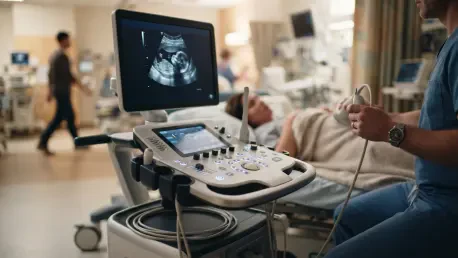
Imaging equipment is projected to account for nearly forty percent of the total market share, largely due to the high replacement costs and exceptionally long lifespans of these massive machines. Systems such as MRI and CT scanners are the ideal candidates for professional refurbishment because their physical frames, heavy magnets, and gantries are incredibly durable and can last for decades. The refurbishment process typically focuses on updating the electronics, replacing worn mechanical parts, and installing the latest compatible software, effectively giving the machine a second life at peak performance. Additionally, ultrasound and mammography systems create a steady and reliable supply of high-quality models for the secondary market as hospitals upgrade to newer portable or 3D-enabled versions. The high demand for these imaging modalities is a direct result of their critical role in modern diagnostics, where high-resolution imaging is the standard for treating everything from sports injuries to oncology.
Hospitals remain the primary drivers of demand for pre-owned equipment, as these institutions require a broad and continuous spectrum of devices ranging from surgical instruments to patient monitors. The need to maintain constant service capacity while adhering to strict annual budgets makes the pre-owned market an essential and recurring resource for hospital procurement officers. Large medical centers often utilize a mix of new and refurbished equipment to balance their technological needs with their financial realities, often placing new units in high-prestige departments while using refurbished units in overflow or community-facing clinics. Healthcare providers, including independent outpatient clinics and ambulatory surgery centers, command the vast majority of the market because their business models rely on high efficiency and lower overhead costs. For these smaller entities, the ability to purchase high-end equipment at a discount is often the difference between being able to offer a specific service or having to refer patients to a larger, more expensive hospital.
The competitive landscape of this industry is now dominated by large multinational corporations that have successfully professionalized the refurbishment process. These key players no longer view the secondary market as a threat to their new equipment sales but rather as an essential part of a comprehensive equipment lifecycle strategy. By managing the process from the initial sale to the eventual buy-back and resale, these companies can maintain a direct relationship with the customer throughout the entire life of the machine. This professionalization has transformed what was once a niche and sometimes disorganized grey market into a sophisticated, transparent, and highly regulated global industry. Smaller, independent refurbishers still play a vital role, especially in specialized niches or local markets, but the entry of major OEMs has set a new high bar for quality and reliability that benefits the entire industry. As competition increases, these companies are finding new ways to add value, such as offering extended remote monitoring and predictive maintenance for their refurbished fleets.
Strategic Insights: Professionalizing the Secondary Market
For manufacturers, there is a clear and growing incentive to strengthen their trade-in programs to maintain brand loyalty and control the overall quality of the secondary market. By managing the service lifecycle themselves, they can prevent lower-quality third-party refurbishments from impacting their reputation or causing safety concerns. This level of control ensures that the safety and performance standards of the original devices are maintained, which is vital for clinical confidence. Furthermore, by participating in the pre-owned market, manufacturers can reach a broader customer base that might not yet be able to afford their top-of-the-line new models. This creates a pipeline of customers who, as their clinics grow, are likely to stay within the same brand ecosystem when they are ready to purchase new equipment in the future. Strategic management of the pre-owned sector thus becomes a powerful tool for long-term market share growth and customer retention.
Healthcare providers are increasingly encouraged to shift their procurement focus from the lowest initial price to a more comprehensive evaluation of the total cost of ownership. This modern approach includes evaluating future maintenance costs, the reliable availability of spare parts, and the potential for future software upgrades that can keep a refurbished machine relevant for years to come. Such a thorough evaluation helps facilities make much more informed decisions when choosing between a lower-priced new machine with fewer features and a higher-tier pre-owned machine with a full suite of capabilities. Facilities are also finding that refurbished equipment often has a more predictable maintenance schedule because the common issues with a specific model are already well-understood by the service community. By taking a long-term view, healthcare administrators can build more resilient diagnostic fleets that are less susceptible to the sudden budget shocks associated with unexpected equipment failure or premature obsolescence.
Distributors and refurbishers have discovered that comprehensive documentation is their most valuable currency in this rapidly maturing market. Companies that provide digital equipment histories, certified proof of decontamination, and verified performance data are the ones most likely to win the trust of risk-averse hospital boards and procurement committees. As these transparency standards continue to improve, the stigma that was once associated with used medical equipment is fading away, replaced by a recognition of its strategic value. This shift toward data-driven trust is also being supported by the adoption of blockchain and other tracking technologies that provide an immutable record of a device’s service life. As the industry moves toward 2036, the providers who succeed will be those who can demonstrate a commitment to clinical excellence and operational transparency. The results achieved through these professionalized practices have solidified the pre-owned market as a permanent and respected fixture of the global healthcare landscape.
Stakeholders recognized the immense value of the pre-owned medical device market as a solution to the twin challenges of rising costs and environmental sustainability. By the conclusion of the analysis, it was evident that the industry moved away from sporadic, uncoordinated sales toward a highly structured and manufacturer-backed ecosystem. Healthcare leaders implemented procurement strategies that prioritized equipment longevity and total value, successfully integrating refurbished assets into even the most advanced diagnostic departments. These actions paved the way for a more equitable global distribution of medical technology, ensuring that high-quality care was not limited by geographic or financial boundaries. Manufacturers and providers alike adopted a circular mindset that transformed the traditional medical supply chain into a more resilient and efficient model. As these strategies matured, they provided a clear roadmap for future developments in medical asset management, ensuring that the global healthcare system remained robust and accessible for the next generation of patients.