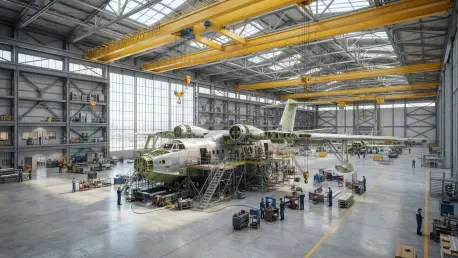

Internal configurations of the US-2 include medical stretchers and rescue gear essential for conducting emergency evacuations in isolated maritime environments. This capability serves as the fundamental justification for ShinMaywa Industries’ recent decision to establish a sprawling new production facility located near Kobe Airport. By securing a long-term lease for approximately 17,500 square meters of land, the company is preparing to significantly expand its final assembly operations for this specialized amphibious platform. This multi-billion yen investment reflects a strategic move to consolidate manufacturing processes that were previously fragmented, allowing for greater industrial efficiency and higher output volumes. As one of the very few manufacturers globally capable of producing large-scale seaplanes, ShinMaywa is positioning itself to meet the increasing demand for versatile maritime assets throughout the Indo-Pacific region. The project, which involves a fifty-year land agreement, ensures that the company remains a dominant force in the aerospace sector while contributing to Japan’s broader economic and security objectives through the year 2029 and beyond.
Engineering Excellence and Technical Features
Specialized Maritime Performance
The US-2 is distinguished by its sophisticated Boundary Layer Control system, a technological marvel that allows the aircraft to maintain stability and lift at exceptionally low airspeeds. This specific engineering feature is critical for performing safe takeoffs and landings in turbulent open waters where wave heights frequently reach up to three meters. By utilizing a dedicated onboard engine to compress air and blow it directly over the wing surfaces, the aircraft achieves a level of aerodynamic performance that conventional airframes simply cannot replicate. This capability enables the US-2 to operate in severe maritime conditions that would ground almost any other search-and-rescue asset currently in service. The upcoming Kobe facility will focus on the precise integration of these complex systems into the fuselage, ensuring that each unit meets the rigorous safety standards required for deep-ocean maneuvers. As regional maritime safety becomes a higher priority for coastal nations, the ability to deploy such a rugged and capable platform remains a strategic necessity for effective disaster relief.
Long-Range Turboprop Efficiency
Supporting these unique sea-handling capabilities is a robust propulsion system featuring four Rolls-Royce turboprop engines that provide a maximum flight range exceeding 4,700 kilometers. This impressive reach allows the aircraft to conduct long-endurance surveillance and rescue operations across vast oceanic regions without the need for frequent refueling or land-based support. Such endurance is particularly vital for nations with extensive exclusive economic zones that require a persistent aerial presence to monitor maritime traffic and respond to emergencies. The US-2 is designed to transition seamlessly between traditional paved runways and open-water environments, offering a level of logistical flexibility that is unmatched in modern aviation. ShinMaywa’s expansion project aims to streamline the manufacturing and installation of these high-performance components, ensuring a more consistent production pipeline. The integration of advanced avionics and fuel-efficient systems further enhances the aircraft’s role as a primary tool for international humanitarian aid missions and environmental monitoring.
Strategic Growth and National Policy
Industrial Response to Defense Spending
The development of the new Kobe factory is taking place during a period of unprecedented growth in Japanese national defense expenditures and aerospace investment. The Ministry of Defense has signaled its commitment to modernizing the nation’s capabilities by requesting a record budget of 8.9 trillion yen for the 2027 fiscal year. This budgetary surge reflects a clear strategic shift toward domestic production and the strengthening of local supply chains in response to evolving geopolitical challenges in the region. ShinMaywa’s investment is a direct response to this policy environment, as the government seeks to bolster its maritime reconnaissance and rescue fleets with reliable, locally-made equipment. By increasing domestic manufacturing capacity, the company is helping to reduce reliance on foreign aerospace components while simultaneously creating high-tech employment opportunities within the Kobe industrial corridor. The new facility will not only assemble the US-2 but also serve as a hub for producing various other aerospace parts, contributing to the overall resilience of the Japanese defense industry.
Long-Term Vision for Aerospace Production
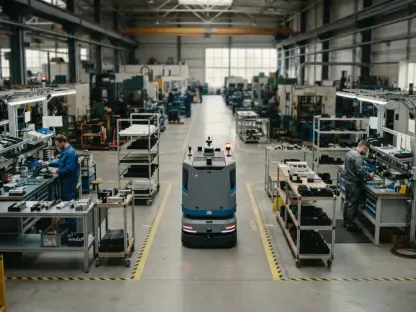
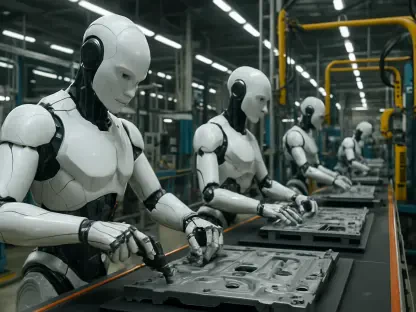
The transition to a more automated and centralized assembly line at the new Kobe site addressed long-standing industrial challenges that had limited earlier manufacturing efforts. Stakeholders recognized that modernizing the production infrastructure was essential for meeting regional security obligations and international humanitarian goals from 2026 to 2029. By investing in this modern framework, ShinMaywa established a stable foundation for diversifying its aerospace portfolio into the civil aviation sector. The decision to secure long-term land leases provided the organizational stability needed for decades of technological advancement and design iteration. Ultimately, the project successfully integrated advanced manufacturing techniques with the unique requirements of amphibious flight. These actions ensured that the aerospace industry remained a cornerstone of national economic growth and disaster preparedness for the foreseeable future. Strategic planners prioritized these facility upgrades to maintain a steady supply of rescue platforms, which proved vital for enhancing maritime safety operations across the global stage.