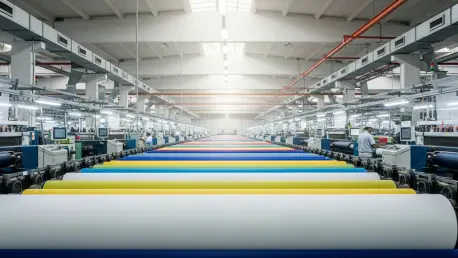

The persistent hum of industrial machinery in the textile hubs of Surat now competes with a more silent and deadly adversary as rising global temperatures transform factory interiors into literal furnaces. As the mercury climbs steadily across the Indian subcontinent, the infrastructure designed to produce millions of meters of synthetic fabric has become a primary driver of a burgeoning humanitarian crisis within the workforce. This environmental shift is not merely an external weather phenomenon but a localized disaster fueled by the dense concentration of heat-emitting equipment and inadequate structural ventilation that defines the regional manufacturing landscape. For the millions of laborers who sustain the global supply chain, the daily grind has evolved into a calculated gamble with their physical well-being, where the drive for industrial output frequently overrides the fundamental biological need for a safe working environment. Understanding the true cost of this textile production requires looking past the sheer volume of exports to the grueling reality of individuals navigating an atmosphere of stifling humidity.
The Manufacturing Furnace and Physical Toll
Internal Thermal Dynamics: A Controlled Microclimate
The internal environment of a typical textile unit is a masterclass in thermal trap design, where massive stenters and boilers operate in constant cycles to process polyester. These machines, essential for the heat-setting and dyeing of synthetic fabrics, radiate an unrelenting dry heat that is immediately absorbed by the low-slung corrugated metal roofs common in these industrial zones. Without adequate insulation or vertical height, the buildings act as effective heat sinks, concentrating thermal energy at the floor level where operators must remain for their entire twelve-hour shifts. The proximity to high-temperature rollers means that workers are often standing within inches of surfaces exceeding two hundred degrees Fahrenheit, creating a localized pocket of air that is significantly hotter than the ambient outdoor temperature. This mechanical heat is further amplified by the lack of cross-ventilation, as many facilities prioritize security and dust control over airflow, resulting in a stagnant reservoir of energy.
Beyond the simple measurement of temperature, the humidity generated by steam-based processing creates a treacherous “wet bulb” condition that negates natural cooling through perspiration. In many of the processing houses, the air is saturated with moisture from dyeing vats and finishing sprays, which prevents human sweat from evaporating effectively and cooling the skin. When the evaporation process is stalled, the core body temperature of a worker can rise to dangerous levels in a matter of minutes, leading to acute heat exhaustion or life-threatening heatstroke. The olfactory environment adds another layer of stress, as the air is frequently heavy with the scent of vaporized petroleum and chemical dyes which can irritate the mucous membranes and lungs. This combination of high humidity and chemical particulates creates a thick, soupy atmosphere that makes every breath feel labored. The resulting microclimate is one where the biological mechanisms for temperature regulation are fundamentally overwhelmed.
Biological Consequences: The Limits of Human Endurance
Prolonged exposure to such extreme conditions results in a specific set of chronic health conditions that medical professionals are increasingly seeing in major textile manufacturing regions. Continuous thermal stress places an immense burden on the renal system, as chronic dehydration forces the kidneys to work under high-pressure conditions with minimal fluid intake for hours. Over time, this leads to a high prevalence of kidney stones and chronic kidney disease among relatively young workers who have spent only a few years in the mills. Respiratory health is similarly compromised by the mixture of high heat and airborne lint, which can lead to permanent scarring of lung tissue or chronic obstructive pulmonary disease. The physical toll is not limited to internal organs, as workers frequently report persistent skin rashes, known as prickly heat, which can become infected in the unsanitary conditions of a busy factory floor. These ailments represent a systemic degradation of the labor force’s health as they navigate their daily industrial tasks.
For the workers who survive the immediate threats of the factory floor, the daily experience is defined by a state of persistent physical depletion that bleeds into their personal lives. Many laborers describe a phenomenon where they are too exhausted to eat or sleep properly after a shift, as their bodies struggle to shed the accumulated heat long after they have left the factory gates. This “heat hangover” impacts cognitive function and coordination, which in turn increases the risk of industrial accidents involving high-speed machinery or boiling chemicals. The recovery period between shifts is often insufficient, leading to a cumulative fatigue that erodes the immune system and leaves workers vulnerable to infections. In the long term, this cycle of overexertion and incomplete recovery shortens the productive lifespan of the worker, forcing many into early retirement or lower-paying roles. The human cost is therefore measured in the slow erosion of a person’s vitality and economic potential over their career.
Systemic Vulnerability and Economic Barriers
The Reality of the Informal Workforce
The scale of this crisis is magnified by the fact that the vast majority of the textile workforce operates within the informal economy, leaving them without basic legal protections. With nearly ninety percent of these laborers lacking formal contracts, there is very little accountability for factory owners regarding indoor air quality or thermal safety standards. This legal invisibility forces laborers to make an impossible choice between working in hazardous conditions or facing the total loss of their livelihoods in a competitive market. Furthermore, the transient nature of the workforce, many of whom are migrants from other states, makes collective bargaining or the reporting of safety violations extremely difficult. The absence of official documentation means that many health issues caused by the heat are never recorded as occupational hazards, allowing the industry to maintain an appearance of compliance. This systemic lack of oversight ensures that the burden of climate adaptation falls entirely on the individuals.
Economic barriers also prevent the widespread adoption of modern cooling technologies, as factory owners struggle with fluctuating profit margins and the rising cost of raw materials. Since polyester is a petroleum-based product, geopolitical instability and international trade tariffs directly impact the capital available for facility upgrades. When budgets are tight, expensive improvements such as centralized air filtration or advanced machine insulation are often the first items to be cut from the operational plan. While some facilities have attempted to implement technical solutions like evaporative coolers or turbo ventilators, these measures often struggle to keep pace with the sheer volume of heat generated by heavy machinery. This financial constraint creates a cycle where the most vulnerable workers are concentrated in the most hazardous environments. Addressing these fiscal hurdles required a cooperative approach where international brands shared the financial burden of climate-proofing the facilities.
Strategic Initiatives: Toward a Resilient Framework
The sector moved toward a more resilient future by integrating thermal safety into the fundamental business model of fabric production. Targeted investments in high-velocity ventilation and infrared-reflective roofing materials proved that engineering solutions could drastically reduce the heat burden on the front lines. Furthermore, the standardization of heat-stress protocols, including scheduled rest periods in cooled zones, became a hallmark of ethical manufacturing across the region. Global brands played a pivotal role by adjusting their procurement timelines to account for seasonal heat, thereby reducing the pressure on factories to maintain peak output during extreme weather. This shift reflected a broader understanding that industrial productivity is inextricably linked to the biological health of the workforce. By the end of this transition, the textile industry demonstrated that economic growth and human safety could coexist through proactive adaptation and shared responsibility.
Comprehensive safety was achieved through the implementation of real-time thermal monitoring systems that alerted supervisors when indoor temperatures breached safe biological thresholds. These digital tools allowed for dynamic shift scheduling, moving the most energy-intensive processes to the cooler nighttime hours to protect the personnel. Training programs were also established to educate workers on the early warning signs of heat stress and the importance of electrolyte-balanced hydration. By shifting from a reactive to a proactive safety culture, the industry successfully lowered the incidence of heat-related hospitalizations and improved overall morale. Financial incentives from the government further encouraged small-scale processing houses to adopt energy-efficient machinery that emitted less waste heat into the environment. These integrated efforts solidified a new industrial standard where the well-being of the laborer was prioritized as a critical asset for long-term economic stability and global market competitiveness.