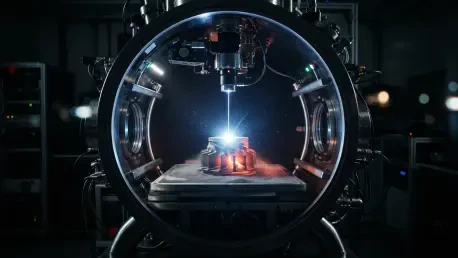

The engineering demands of modern aerospace propulsion and next-generation nuclear reactors have pushed traditional metallic materials to their absolute thermal and mechanical limits, necessitating a shift toward refractory alloys. These elements, including tungsten and niobium, offer unparalleled thermal stability and radiation tolerance, yet their physical properties make them remarkably difficult to shape through conventional machining. High melting points and oxidation sensitivity present a significant hurdle for manufacturers seeking to produce intricate geometries. Recent breakthroughs in additive manufacturing have opened a gateway to overcoming these limitations by utilizing laser powder bed fusion and electron beam technologies. However, the rapid cooling rates and extreme temperature gradients often introduce structural defects such as cracking and porosity. To address these issues, the industry is increasingly turning to the fusion of computational modeling and artificial intelligence to predict outcomes before the first layer of metal is deposited.
Overcoming Material Limitations through Advanced Simulation
Multi-Scale Modeling: Predicting Structural Integrity
Finite Element Modeling serves as the cornerstone for understanding the complex thermal and mechanical stresses that occur during the additive manufacturing process of refractory metals. By simulating the localized melting and subsequent solidification of alloy powders, researchers can map the distribution of residual stresses that typically lead to catastrophic component failure. This predictive capability is particularly vital for materials like molybdenum and tungsten, which possess a high ductile-to-brittle transition temperature. When the cooling rate is not precisely controlled, the resulting thermal shock can induce micro-cracks that compromise the structural integrity of the entire part. Advanced frameworks now incorporate temperature-dependent material properties, allowing engineers to visualize how different scanning strategies influence the temperature field. This level of detail enables the optimization of laser power and scanning speed to minimize the formation of hazardous thermal gradients while ensuring that the material remains within its optimal processing window.
Microstructural Evolution: Controlling Grain Morphology
The focus of computational modeling has also shifted toward the evolution of microstructure during the solidification phase, addressing the inherent heterogeneity of 3D-printed parts. Rapid solidification in laser-based processes often results in highly anisotropic grain structures, which can lead to inconsistent mechanical performance across different orientations. By utilizing phase-field modeling and cellular automata techniques, it is possible to predict the morphology of the solid-liquid interface and the resulting crystallographic texture. This information is crucial for tailoring the properties of refractory high-entropy alloys, where the distribution of multiple principal elements must be carefully managed to ensure phase stability. Understanding these microstructural dynamics allows for the creation of components with customized localized properties, such as high hardness in specific areas. Such precision ensures that refractory alloys can meet the rigorous specifications required for high-stress environments without the need for costly experimental trials.
Harnessing Artificial Intelligence for Process Optimization
Machine Learning: Predicting Real-Time Defect Formation
The integration of artificial intelligence, particularly deep learning and physics-informed neural networks, marks a significant evolution in the production of refractory metal components. These algorithms are trained on vast datasets derived from both simulation results and experimental observations, allowing them to identify patterns that are too complex for traditional analytical models. For instance, machine learning models can now predict the likelihood of pore formation based on real-time sensor data from the manufacturing chamber, such as acoustic emissions or thermal imagery. This proactive approach allows for the immediate adjustment of process parameters, effectively self-correcting the build as it progresses. The ability to anticipate and mitigate defects in situ reduces material waste, which is particularly important given the high cost and scarcity of refractory elements like tantalum. Furthermore, these AI systems correlate specific process variables with final mechanical properties, providing a level of quality assurance previously unattainable.
Digital Twins: Enabling Autonomous Quality Assurance
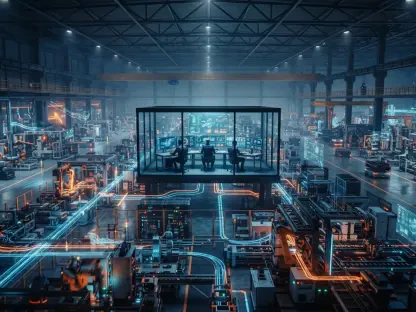
The realization of a fully autonomous production environment for refractory alloys required a strategic commitment to the standardization of digital datasets and the refinement of digital twins. These digital frameworks utilized a continuous stream of data from the manufacturing floor to simulate the cumulative effects of heat cycles on the final state of the alloy. By leveraging these twins, engineers performed thousands of virtual iterations to determine the most efficient build orientation and support structures before any physical material was consumed. This data-driven strategy proved essential for the commercialization of refractory high-entropy alloys, which often exhibited complex phase behaviors that were difficult to characterize through conventional methods. The synergy between digital twins and machine learning created an autonomous feedback loop that refined future predictions based on every successful build. Ultimately, the adoption of these intelligent systems streamlined the transition from design to deployment and established a robust foundation for next-generation engineering.