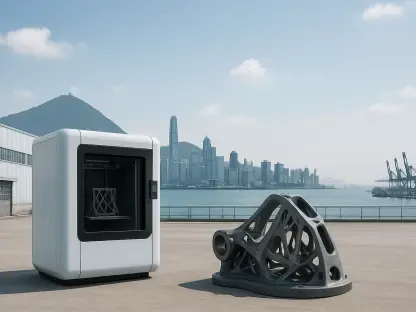

Large-format additive manufacturing is being integrated into local infrastructure to serve the growing natural resource, tourism, and industrial sectors of the region. This transition is spearheaded by the Greenland Arctic Development Corp (GADC) through a strategic collaboration with Caracol, an industrial technology firm specializing in large-scale robotic 3D printing. By deploying the Heron 400 system, Greenland is moving toward a manufacturing model that prioritizes autonomy and resilience over traditional reliance on long-distance shipping. The introduction of this technology represents more than just a logistical upgrade; it is a fundamental shift in how remote territories approach industrial production and maintenance. Historically, Greenland has faced significant hurdles due to its extreme climate and geographic isolation, making the acquisition of specialized parts both costly and time-consuming. This initiative seeks to bypass these barriers by enabling on-demand creation of complex components directly on-site, effectively transforming the way the regional supply chain functions in real-time.
Technical Precision: The Mechanics of the Heron 400 System
The technical heart of this initiative lies in the Heron 400, a sophisticated six-plus-axis robotic platform that redefines the boundaries of industrial printing. This system utilizes a high-precision robotic arm with a four-meter reach, mounted on a configurable rail system that allows for an X-axis printing length exceeding ten meters. Such a vast operational envelope is essential for producing the large-scale components required in maritime and construction sectors. Unlike traditional three-axis printers that are confined to a box-like frame, the multi-axis movement of the Heron 400 enables the creation of non-planar toolpaths. This capability allows for the production of overhanging surfaces and complex geometries without the need for extensive temporary support structures. By minimizing the reliance on supports, the process significantly reduces material waste and addresses the structural weaknesses typically associated with the layered bonding of standard 3D printing methods.
Material versatility is another cornerstone of this robotic platform, ensuring it remains functional within the unique constraints of the Arctic environment. The system includes a dedicated material preparation and drying chamber, which is critical for maintaining the integrity of high-performance thermoplastics and fiber-reinforced composites. Because moisture can severely compromise the mechanical properties of printed parts, this controlled preparation environment allows for the use of advanced materials that can withstand sub-zero temperatures and high physical stress. This flexibility is vital in remote areas like Greenland, where specific feedstocks might be more accessible or suitable than others depending on the season or project requirements. Furthermore, the ability to process recycled polymers offers a path toward a circular economy, where local waste can be transformed into functional industrial parts. This shift not only reduces the carbon footprint associated with importing raw materials but also ensures a steady supply chain.
Economic Sovereignty: Building Local Industry and Workforce
The move toward localized manufacturing directly addresses the chronic challenges of unpredictable demand and the logistical nightmares of Arctic shipping routes. Traditional manufacturing methods often require expensive molds and specialized tooling, which are economically unfeasible for the low-volume, high-variety parts needed in Greenland. By utilizing digital design files and a single, reconfigurable production cell, the region can now manufacture critical components on-demand. This capability drastically reduces the heavy dependence on international shipping schedules, which are frequently disrupted by sea ice and extreme weather conditions. Shortening the lead times for critical infrastructure repairs can be the difference between a minor delay and a seasonal shutdown for industrial operations. Moreover, the decentralized nature of this technology allows for a leaner inventory management system, where digital storage replaces massive warehouses filled with physical spare parts that may never be used locally.
The integration of the Heron 400 system established a new baseline for how isolated regions managed their industrial dependencies and resource consumption. This transition proved that decentralized production was not only technically possible but also economically superior for specialized markets. Stakeholders recognized the necessity of expanding this digital inventory to include a wider array of structural designs and material certifications to meet international safety standards. Moving forward, the focus shifted toward integrating automated quality control sensors within the printing process to ensure every component met rigorous durability requirements. Industry leaders suggested that the next logical step involved the creation of a pan-Arctic digital design network, allowing different remote communities to share optimized blueprints for essential infrastructure. By successfully bridging the gap between advanced robotics and local craftsmanship, this initiative provided a scalable blueprint for other regions seeking to enhance their economic sovereignty.