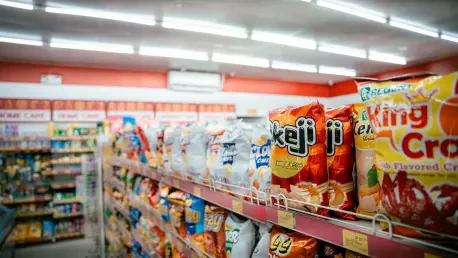

Bridging the gap between experimental food science and global manufacturing scale remains the primary challenge for companies seeking to modernize their product portfolios. This necessity is driving a profound transformation across the global confectionery landscape, where consumer expectations are shifting from mere indulgence toward holistic well-being and environmental stewardship. For industry leaders managing iconic brands like McVitie’s or Ülker, the evolution of the snacking sector is no longer a peripheral concern but a central pillar of corporate strategy. The launch of specialized food-tech accelerators represents a proactive response to these shifting market dynamics, focusing on what experts define as indulgent reformulation. By inviting startups into this technological renaissance, manufacturers are seeking ways to maintain the sensory pleasure of traditional snacks while significantly improving their nutritional profiles. This approach ensures that legacy brands remain competitive in a market where health and sustainability are the new baselines for loyalty.
Navigating the Intersection: Health and Scarcity
Responding to Shifting Biological Drivers
The rise of GLP-1 weight-loss medications has fundamentally altered the competitive landscape of the snack industry by changing how millions of people experience appetite and satiety. These pharmaceutical advancements are pushing food scientists to rethink portion sizes and nutrient density, moving away from high-calorie, low-nutrition offerings toward functional snacks that provide genuine health benefits. In this new environment, the goal is to create products that support gut health and offer personalized nutrition without losing the emotional appeal of a treat. Startups are now being scouted for their ability to integrate bioactive ingredients that can complement these biological changes, ensuring that snacks remain relevant in a health-conscious market. This focus on functional indulgence allows companies to cater to a demographic that is wary of empty calories but still desires the comfort of a familiar flavor, bridging the gap between clinical health and daily enjoyment for a wide consumer base.
Addressing Environmental Constraints on Core Ingredients
While health trends reshape demand, environmental volatility is simultaneously squeezing the supply side of the snacking industry, particularly regarding essential commodities like cocoa. Climate change has introduced significant unpredictability into traditional agricultural regions, forcing manufacturers to explore innovative alternatives that do not compromise on texture or taste. The search for ingredient resilience has led to the exploration of upcycled food-industry by-products, which can be transformed into high-quality cocoa substitutes or enhancers. By utilizing these circular economy principles, companies can reduce their carbon footprint while securing their production lines against future shortages. This strategic shift is not just about finding cheaper replacements; it is about building a robust, climate-positive supply chain that can withstand the environmental pressures of the coming years. Innovative food-tech partners are essential in this transition, providing the scientific expertise needed to replicate complex flavor profiles through sustainable sources.
Scientific Foundations: Scalable Implementation
Advancements in Molecular and Sensory Science
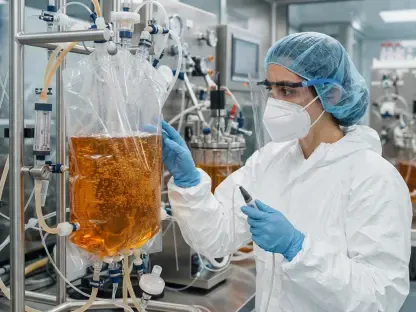
One of the most promising frontiers in snack innovation involves using biological catalysts and precision fermentation to alter the molecular structure of ingredients. Emerging technologies now allow for the conversion of sugar into dietary fiber within the body after consumption, a breakthrough that maintains traditional mouthfeel while mitigating negative glycemic impacts. This molecular engineering is bolstered by the integration of artificial intelligence and genomics, which accelerates the discovery of novel plant-based peptides with functional benefits. By analyzing massive datasets, companies can identify compounds that enhance gut health or metabolic function, moving far beyond traditional food science. These digital tools are complemented by advanced sensory science, ensuring that health-focused modifications do not alienate consumers who prioritize the pleasure of eating. This synergy between digital intelligence and physical craftsmanship allows for the creation of snacks that are as satisfying as they are beneficial, bridging the gap between nutritional science and culinary enjoyment.
Strategic Integration: Actionable Frameworks
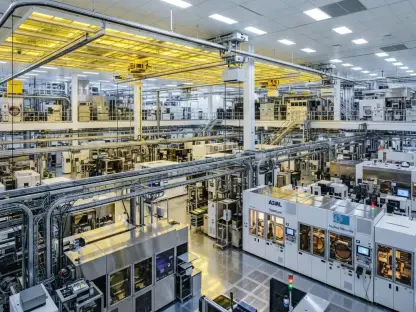
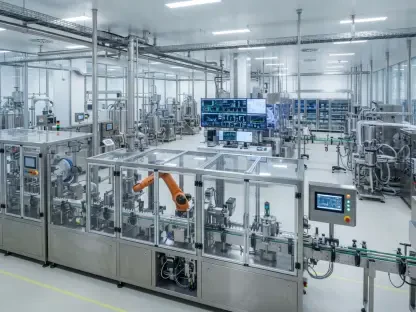
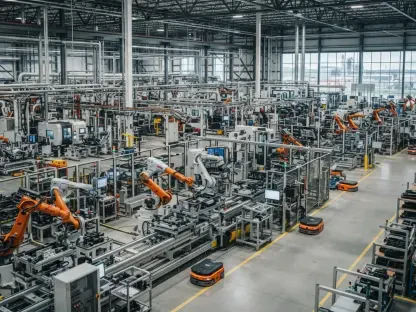
The successful transition from a laboratory breakthrough to a supermarket shelf required a structured ecosystem where startups accessed the resources and scale of global leaders. Initiatives like the food-tech accelerator program provided a vital bridge, offering technical mentorship and operational guidance to small-scale innovators. This collaborative model demonstrated its value through projects that addressed critical industry needs, such as sugar reduction and functional additions. For immediate impact, manufacturers adopted modular production facilities that adapted to rapid ingredient changes and handling requirements. Beyond the factory floor, the focus shifted toward long-term consumer education regarding the benefits of bio-enhanced ingredients. By clearly communicating how fermentation or enzymatic processes improved a product’s health profile, brands overcame the skepticism associated with food technology. Ultimately, the future of snacking was secured through a commitment to blending traditional expertise with cutting-edge biotechnology.