
Advanced instrument vendors are now prioritizing data integrity and regulatory compliance to meet the rigorous demands of Good Manufacturing Practice environments. This shift reflects a broader transformation where analytical science has moved beyond its traditional role as a secondary support function to become a strategic pillar of modern pharmaceutical development. In the past, lab-based testing was often a separate step in the manufacturing chain, but today, it is deeply integrated into the entire lifecycle of a drug. This evolution is driven by the need for faster market entry and more reliable product quality. For major players like Bristol Myers Squibb, the discipline now dictates how technology is adopted and implemented to streamline production workflows. The strategic value of this field lies in its ability to navigate the tension between speed and precision. As the industry faces mounting pressure to deliver life-saving treatments, scientists must evaluate a diverse array of technologies to find the most efficient route for each unique molecule.
Overcoming Complexity: Speed and Precision in Analysis
Managing Molecular Diversity and Bottlenecks
The pharmaceutical landscape is currently navigating a period of unprecedented complexity, characterized by intricate molecular structures and a surge in diverse modalities like cell and gene therapies. These advancements, while promising for patient outcomes, create significant hurdles in the production line. When these complex variables are combined with the industry’s push for compressed development timelines, traditional laboratory methods often become a bottleneck. To maintain momentum, the focus has shifted toward increasing the speed of analysis without compromising data integrity. Molecular diversity means that a one-size-fits-all approach to quality control is no longer viable. Instead, each new therapy requires a bespoke analytical strategy that can account for its unique stability profile and manufacturing requirements. This paradigm shift requires scientists to possess a deep understanding of both the biological activity and the chemical properties of the drug.
Traditional analytical workflows frequently struggle to keep pace with the rapid shifts in therapeutic design seen in the current 2026 to 2028 development cycle. As researchers move toward increasingly sophisticated biologics, the time required for sample preparation and offline verification has become a major pain point for manufacturers. Consequently, organizations are redesigning their workflows to eliminate redundant steps that do not add value to the final product quality assessment. By prioritizing the most critical quality attributes early in the process, analytical teams can provide more targeted insights that directly influence batch release decisions. This proactive stance helps to prevent the accumulation of backlogs in the quality control laboratory, which is essential for maintaining a steady supply of medicine to patients. The goal is to move toward a model where the analysis is as dynamic as the production process itself, allowing for adjustments in real-time.
Implementing Real-Time Monitoring Systems
One of the most effective ways to mitigate delays is by moving analysis from the laboratory directly to the production floor. Spectroscopic methods and real-time monitoring offer a transformative solution by providing immediate feedback during the manufacturing process. This approach allows companies to monitor quality as it happens, rather than waiting days for lab results to be processed and reviewed. By reducing the reliance on offline testing, pharmaceutical firms can sustain the rapid pace required by modern development cycles while ensuring every batch meets rigorous safety standards. The ability to observe chemical transformations in situ provides a window into the manufacturing process that was previously unavailable. This level of visibility is crucial for understanding how process variations affect the final product, enabling a more robust control strategy. Scientists can now identify potential issues before they escalate into batch failures, saving both time and money.
Moreover, the integration of real-time monitoring technology fosters a deeper understanding of the design space for each pharmaceutical product. Instead of relying on a static snapshot of quality at the end of the line, manufacturers gain a continuous stream of data that documents the entire journey of the molecule. This granular level of detail is particularly beneficial for complex modalities where small changes in process conditions can have significant impacts on efficacy. Furthermore, real-time data facilitates more agile regulatory interactions, as companies can demonstrate a high degree of process control through detailed trend analysis. As the industry moves toward more sophisticated data management systems, the role of real-time monitoring will only expand. It serves as the foundation for digital twins and other advanced modeling techniques that are becoming standard in the sector. Ultimately, this shift represents a move toward a more proactive and scientifically driven manufacturing environment.
Technological Integration: The Path to Digitalization
Advancements in Equipment and Automation
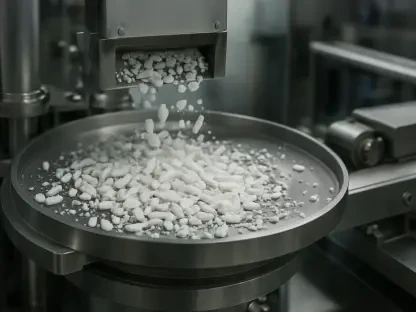
The tools available to analytical scientists have matured significantly over the last decade, largely due to better alignment between instrument vendors and pharmaceutical needs. Modern equipment is now designed specifically for the rigorous requirements of Good Manufacturing Practice environments. This includes a stronger focus on data integrity, hardware safety, and materials that are compatible with direct process contact. These improvements ensure that the technology used to monitor drugs is as robust and reliable as the drugs themselves. Vendors have increasingly recognized that a tool’s performance in a research lab is only half the battle; its ability to operate consistently in a production setting is what truly matters. Consequently, new instruments often come with pre-validated software modules that simplify the compliance process. This closer partnership between the creators and the users of technology is accelerating the adoption of innovation.
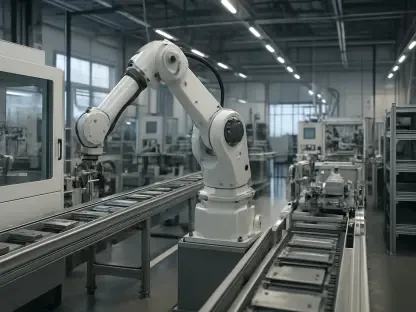
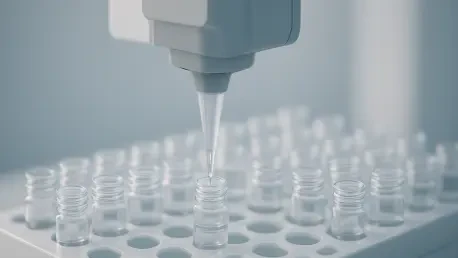
Simultaneously, the adoption of automation in routine tasks like sample preparation and data collection reduces human error and waste. These digital trends not only boost efficiency but also support green manufacturing by lowering the environmental impact of chemical analysis. Automated systems can perform repetitive tasks with a level of precision that is difficult for humans to maintain over long periods. This leads to more consistent results and fewer deviations in the lab. Furthermore, automation allows highly skilled scientists to focus on more complex problem-solving rather than manual labor. The reduction in chemical waste through more efficient automated processes is also aligned with the industry’s broader sustainability goals. By minimizing the use of solvents and other hazardous materials, laboratories can significantly decrease their ecological footprint. The combination of AI-driven insights and automated execution is creating a more streamlined and sustainable environment.
Strategic Collaboration and Future Outlook
Looking ahead, biopharmaceutical manufacturing is set to become even more integrated, with continuous manufacturing and real-time monitoring becoming the standard for complex therapies. In this data-driven environment, the foundational role of the analytical scientist remains unchanged: ensuring the generation of high-integrity data. While AI and automation are powerful tools, their success depends entirely on the quality of the input data. Scientists will need to stay at the forefront of spectroscopic innovation to fully capitalize on the benefits of the digital revolution. This will require a broader skill set than in the past, including proficiency in data science and an understanding of the software architectures that underpin modern labs. The scientist of tomorrow will be a bridge between the physical world of molecules and the digital world of algorithms. This dual expertise will be essential for navigating the complexities of the next generation of therapeutics.
The industry established a solid foundation for the future by prioritizing early alignment and cross-functional integration. Leaders recognized that successful analytical strategies required a deep understanding of the practical constraints found on the plant floor. They worked diligently to build bridges between laboratory scientists and manufacturing personnel, ensuring that data integrity remained a top priority. Decisions regarding technology adoption were made with a keen eye on operational efficiency and regulatory compliance. By embracing the digital revolution and the power of real-time monitoring, organizations significantly reduced their cycle times and improved product consistency. These actions provided a clear roadmap for navigating the complexities of modern drug development. Ultimately, the focus on high-quality data and collaborative problem-solving allowed the pharmaceutical sector to deliver life-saving treatments to patients more quickly than ever before. This integrated approach transformed analytical science.