
The traditional industrial directory has effectively vanished as technical buyers now rely on large language models to filter through the noise of a saturated global market. Procurement behavior has undergone a radical transformation, moving away from simple keyword searches toward conversational inquiries that demand high-level technical precision. Engineers no longer scroll through endless pages of vendor listings; instead, they utilize tools like ChatGPT and Gemini to synthesize complex data into actionable shortlists. This shift has established the “Search Generative Experience” as the modern gatekeeper of the supply chain, where visibility is dictated by the depth of a manufacturer’s digital footprint rather than the size of their physical facility. Consequently, technical visibility has emerged as the primary driver of market share, as AI models prioritize entities that provide comprehensive data density over those relying on legacy reputations.
Navigating the Modern Industrial Digital Landscape
The industrial sector is currently witnessing a departure from fragmented keyword-based directories in favor of Large Language Model discovery. This transition signifies that traditional search engine optimization is no longer sufficient to capture the attention of technical buyers who require specific, logic-based answers. Today, the role of a manufacturer’s website has evolved from a static brochure to a foundational dataset that trains the very models procurement professionals use to source parts and services.
Modern supply chain dynamics are increasingly influenced by how well a company’s capabilities are integrated into these automated discovery layers. As AI-driven sourcing agents become more autonomous, the ability to be cited as a reliable technical resource is the new benchmark for competitive advantage. Manufacturers that fail to adapt to this “Search Generative Experience” risk total invisibility, as the automated gatekeepers favor vendors who offer structured, authoritative, and easily digestible technical information.
Analyzing Market Dynamics and Growth Indicators
The Transition Toward Conversational Discovery and Problem-Solving
Conversational AI has redirected the focus of industrial sourcing from simple item location to complex, multilayered technical problem-solving. Buyers are now asking AI tools to evaluate material compatibility, tolerance feasibility, and production scalability within a single prompt. This shift necessitates a move from static descriptions toward interactive knowledge bases that can satisfy the “data density” requirements of machine learning algorithms.
Securing citations within AI-generated responses requires a strategic focus on depth and specificity. Content must be designed to serve both the human decision-maker and the underlying algorithm by providing granular details that a generalist might overlook. By prioritizing “people-first” content that addresses real-world engineering challenges, manufacturers can establish a level of technical authority that traditional advertising cannot replicate.
Quantifying the Economic Impact of AI-Driven Procurement Shifts
Market data indicates a rapid adoption of AI research tools among B2B procurement professionals, with significant growth projections for those who prioritize digital documentation. From 2026 to 2028, the gap between digitally mature manufacturers and those relying on “brochure-ware” is expected to widen significantly. Performance indicators now focus on recommendation frequency and the authority of citations rather than simple web traffic.
The economic reality is that traditional marketing spend is losing its efficacy in an automated sourcing environment. Manufacturers that invest in documenting their proprietary processes and technical expertise are seeing higher returns through organic AI recommendations. This trend suggests that the obsolescence of generic websites is not just a possibility but a current market reality for those who ignore the necessity of structured digital knowledge.
Overcoming the Barriers to Digital Authority
Addressing the “Inside the Building” Fallacy
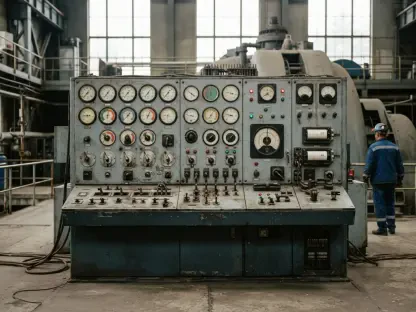
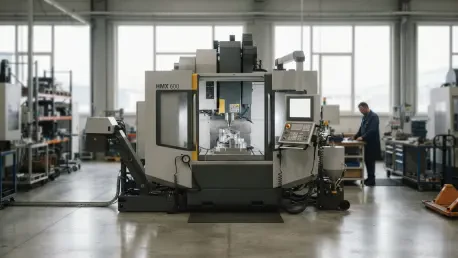
The “Inside the Building” fallacy remains a significant hurdle for veteran manufacturers who believe their physical assets speak for themselves. In the AI era, a million-dollar machine is invisible unless its capabilities, maintenance records, and performance metrics are digitized and crawlable. The challenge lies in extracting the “tribal knowledge” held by senior engineers and plant managers and converting it into authoritative online assets.
Converting proprietary process modifications into evidence-based content is essential for establishing digital competence. Rather than making generic claims of quality, manufacturers must provide granular evidence of their capabilities, such as specific material tolerances or process-specific case studies. This approach ensures that the depth of the shop floor is accurately reflected in the digital realm, allowing AI engines to verify the company’s expertise.
Dismantling the Transparency Paradox in Complex Pricing and Processes
Many manufacturers hesitate to discuss budgetary figures or project limitations publicly, creating a transparency paradox that hinders AI discovery. However, developing utility-based tools like pricing calculators or feasibility guides is a powerful way to establish resource authority. These tools provide the logic-based data that recommendation engines crave, positioning the manufacturer as a helpful partner rather than a secretive vendor.
Documenting common pitfalls and mitigation strategies further builds trust with both human buyers and machine learning algorithms. By being transparent about what a process cannot do, a manufacturer demonstrates a high level of expertise and reliability. This strategic transparency satisfies the logic requirements of AI systems, which are designed to find the most useful and honest answer to a user’s inquiry.
Standardizing Trust and Compliance in the AI Era
Aligning with E-E-A-T Guidelines for Engineering Credibility
Modern search algorithms are heavily influenced by the principles of Experience, Expertise, Authoritativeness, and Trustworthiness (E-E-A-T). In the manufacturing sector, this means technical content must be attributed to recognized subject matter experts rather than anonymous marketing teams. Clear authorship and verifiable competence through documented project outcomes are now mandatory for maintaining a competitive digital presence.
A framework for “verifiable competence” involves the strategic use of case studies and industry-specific certifications to validate technical claims. Regulatory considerations for documentation also play a role, as AI models are increasingly trained to recognize and prioritize content that adheres to high industry standards. Establishing this level of digital trust is essential for manufacturers who wish to remain the definitive source for technical answers in their niche.
Navigating Data Privacy and Security in Public Technical Documentation
Maintaining digital transparency requires a delicate balance with the protection of proprietary trade secrets. Manufacturers must adhere to rigorous security standards when publishing detailed process capabilities or material applications to avoid compromising their intellectual property. The impact of global data regulations further complicates how expert insights are hosted and shared across different jurisdictions.
Ensuring compliance with industry-specific standards while maintaining an accessible digital footprint is a critical operational challenge. Manufacturers must develop protocols for sharing enough information to satisfy AI recommendation engines without exposing sensitive internal data. This balanced approach allows a company to build digital authority while simultaneously safeguarding the technical innovations that provide their physical competitive edge.
The Horizon of Intelligent Manufacturing Discovery
Emerging Technologies Reshaping Industrial Recommendations
The emergence of multimodal AI is set to revolutionize how industrial capabilities are interpreted, as these systems gain the ability to analyze technical drawings and facility footage. This technology will allow AI to assess a manufacturer’s capacity and precision levels directly from visual data, bypassing traditional text-based descriptions. Potential disruptors also include real-time availability integration and autonomous sourcing agents that can manage the entire RFP process.
Predictive AI is expected to influence the pre-qualification phase by analyzing historical performance and digital footprints to recommend the best partners. The move toward “zero-click” search means manufacturers must strive to be the absolute authority, as AI will often provide the answer directly to the buyer without them ever visiting a website. Being the definitive source of technical data is the only way to ensure inclusion in these automated responses.
Anticipating Global Economic and Technological Shocks
AI visibility is playing a crucial role in navigating nearshoring trends and the reconfiguration of global supply chains. As economic shifts demand highly specialized manufacturing partners, AI recommendation engines act as the primary matchmakers in a decentralized marketplace. Manufacturers that maintain a high degree of digital authority are better positioned to weather global shocks by remaining easily discoverable to new markets.
Future growth in specialized materials and precision engineering will be driven by the ability of intelligent discovery systems to find the most capable partners. Adapting to evolving search regulations and the potential for new industrial marketplaces will require a flexible and data-centric digital strategy. Those who stay ahead of these technological shifts will find new opportunities in high-growth sectors that demand the utmost technical expertise.
Strategic Recommendations for Sustained Digital Dominance
Translating Physical Excellence into Digital Moats
The transition toward intelligent discovery necessitated a fundamental departure from traditional marketing models that prioritized generic value propositions. Success was found in the rigorous documentation of internal expertise, which effectively converted physical shop-floor excellence into a defensive digital moat. Manufacturers realized that their role had shifted from being a mere vendor to becoming a primary educational resource within the AI-centric ecosystem.
The focus on educational leadership allowed companies to bypass the noise of a crowded market by providing genuine technical utility. This strategy ensured that human expertise remained at the center of the procurement process, even as machine intelligence took over the heavy lifting of sourcing and discovery. By prioritizing “what we know” over “what we do,” manufacturers established a level of authority that was both verifiable and highly resilient.
A Roadmap for Future-Proofing Technical Visibility
Strategic investment in technical content production and subject matter expert interviews emerged as the most viable path for long-term growth. The industry recognized that transparency regarding pricing, lead times, and process limitations was not a liability but a prerequisite for building AI-driven trust. This roadmap emphasized the necessity of a continuous feedback loop between engineering teams and digital strategists to maintain accuracy and relevance.
The convergence of human expertise and machine intelligence created a new standard for manufacturing procurement where data accuracy was paramount. Manufacturers that embraced the digitization of their tribal knowledge secured their place at the forefront of the industry. This proactive approach ensured that technical visibility became a permanent fixture of market dominance, allowing specialized firms to thrive in an increasingly automated and transparent global economy.