
The silent hum of a perfectly engineered autonomous mobile robot often ends abruptly at the yellow tape of a testing bay where it must remain for weeks awaiting manual safety validation. This stagnant interval represents one of the most significant hurdles in modern industrial engineering, where the hardware and software are ready for deployment within hours, but the legal and safety frameworks require a grueling physical audit. As factories transition toward highly flexible environments, the friction between fast-paced technological innovation and slow, traditional inspection methods has reached a breaking point. The introduction of high-fidelity simulation and digital twins is finally providing a path to bypass these bottlenecks, ensuring that safety is no longer a barrier to the rapid scaling of automation.
The End of the Three-Week Safety Bottleneck
The traditional path to industrial automation is frequently blocked by a frustrating reality: a robot might be ready for work in hours, but certifying its safety alongside human coworkers can tether it to a testing bay for weeks. This delay is not merely an administrative inconvenience but a fundamental challenge to the return on investment for new technology. As Physical AI moves from experimental labs to dynamic factory floors, the manual inspection of every aisle, interaction zone, and sensor threshold has become a significant drag on global productivity. The sheer number of variables in a human-centric workspace makes physical-only testing an exhaustive and often incomplete endeavor.
The emergence of high-fidelity simulation is now turning this multi-week ordeal into a streamlined digital process, fundamentally changing how machines earn their right to operate. By creating a virtual replica of the facility, engineers can run thousands of hours of safety testing before the physical robot even arrives on-site. This digital-first approach provides a massive volume of evidence that would be impossible to gather manually, allowing inspectors to focus their limited time on the most critical and unpredictable points of interaction. Consequently, the time required for a robot to move from the delivery crate to the production line is being slashed by nearly a third.
Why Speeding Up Safety Matters in a 50% Automated World
Despite decades of progress, even the most modern manufacturing facilities often stall at 50% to 70% automation because traditional robots lack the adaptability to handle complex, shared environments. These legacy systems excel at repetitive tasks in caged environments but falter when they must navigate around unpredictable human foot traffic or shifting pallet positions. The remaining percentage of non-automated tasks represents a massive untapped potential for efficiency, yet the risk of human-robot collisions has historically kept these more advanced autonomous mobile robots on the sidelines of major industrial operations.
Industry leaders are now shifting toward autonomous mobile robots that do not just follow fixed lines on the floor but perceive and react to their surroundings with human-like spatial awareness. While the International Federation of Robotics reported a significant 14% surge in logistics robot sales over the last two years, deploying these fleets is hindered by ISO 3691-4 compliance hurdles. Economic pressure is also mounting, as Deloitte predicts an increase in Physical AI integration from 3% to 18% from 2026 to 2028. For companies to survive this competitive shift, they can no longer afford the downtime associated with legacy certification methods that were designed for a simpler era of caged machinery.
The Physical AI Safety Suite: A Three-Layered Validation Framework
Developed through a collaboration between TÜV SÜD and Accenture using NVIDIA’s Omniverse technology, this new suite replaces physical trial and error with a rigorous virtual architecture. The first layer digitizes the entire facility to evaluate route planning and clearances with mathematical precision. By simulating “shared zones,” the system creates a comprehensive evidence package proving the site adheres to international safety standards before a single piece of equipment is moved. This ensures that the physical layout itself is inherently safe, preventing costly reworks of warehouse shelving or floor markings late in the installation process.
Safety is not just about one robot; it is about how they interact as a group, which is where the second layer of fleet dynamics becomes essential. This layer identifies complex “trapping” scenarios where multiple units might inadvertently block a person’s exit path during an emergency or create a bottleneck that forces workers into unsafe shortcuts. By integrating bird’s-eye view data from facility cameras, the system helps robots “see” hazards around corners and beyond their own sensor range. Finally, the third layer allows for individual stress testing against grueling variables—slippery floor surfaces, shifting payloads, and erratic lighting—that would be dangerous or impossible to recreate with live personnel, effectively optimizing braking distances in a high-fidelity virtual world.
The Hybrid Assurance Model: Expert Insights on the New Standard
The transition to digital-first certification does not eliminate the human element; rather, it empowers it through a “hybrid” approach to evidence. Patrick Vollmer, CEO of TÜV SÜD, emphasizes that virtual simulations provide the data-driven foundation that makes physical inspections faster and more targeted toward specific failure points. Instead of spending weeks on repetitive tests, human auditors can use simulation reports to identify the most statistically likely risk areas, focusing their expertise where it matters most. This synergy between AI-driven data and human judgment is creating a more robust safety profile than either could achieve in isolation.
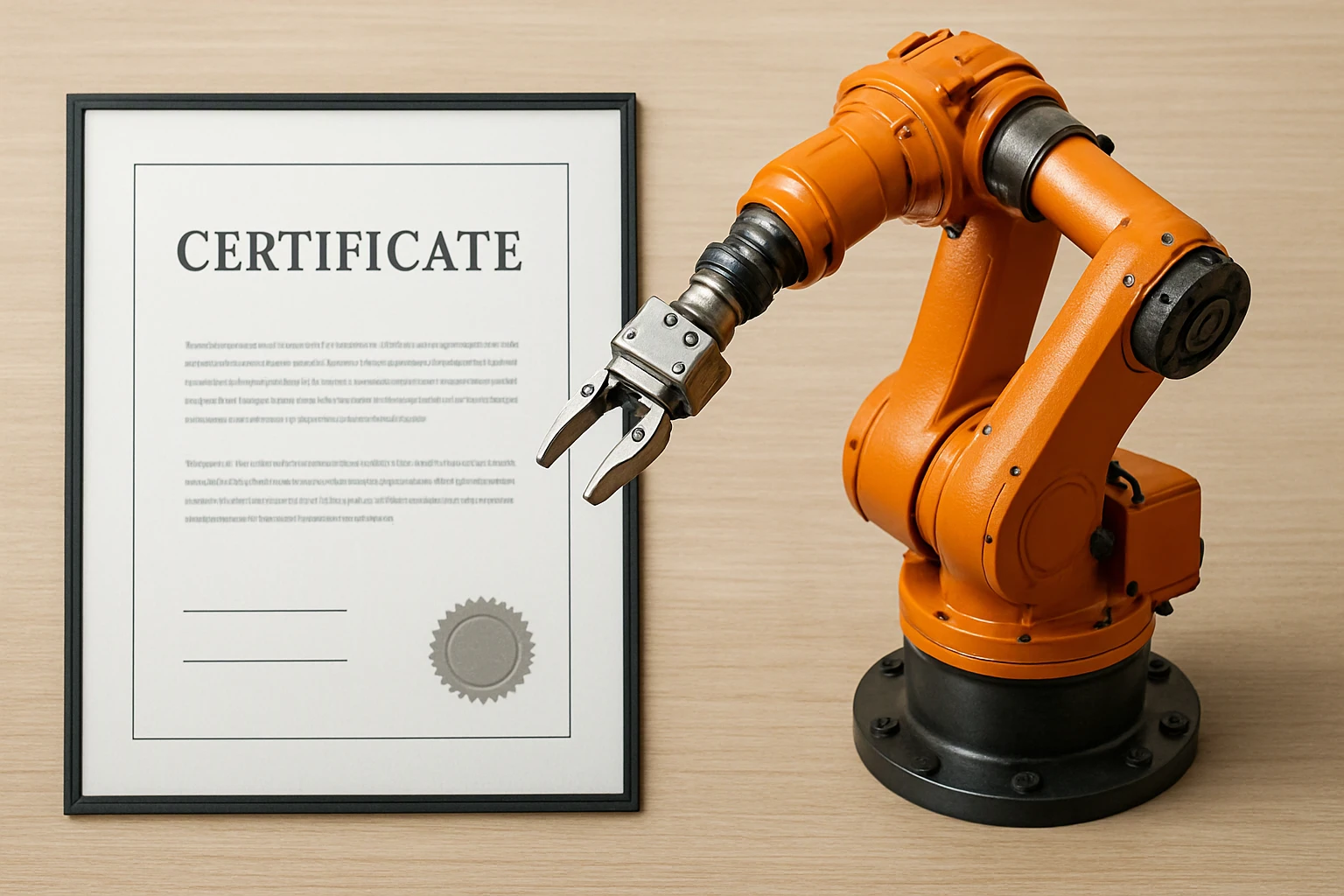
As rule-based automation gives way to AI-driven behavior, experts argue for new standards that specifically govern simulation-generated evidence, ensuring data traceability and statistical significance. This shift requires a strategic collaboration that combines TÜV SÜD’s 150-year legacy of safety auditing with Accenture’s ability to scale technology across thousands of global clients, all powered by massive computing infrastructure. This collective effort ensures that the digital evidence is not just a visual representation but a verified technical document that holds weight in a court of law or a regulatory hearing. The goal is to establish a global benchmark where virtual certification is as legally binding as physical certification.
Strategies for Implementing Digital-First Safety Protocols
The decision to implement a digital twin foundation served as the first critical step for companies that successfully reduced their deployment downtime. By creating a high-fidelity map of the facility, these organizations established a “single source of truth” that united both engineering and safety teams under a shared data model. The strategy involved front-loading safety validation to the beginning of the procurement cycle, which allowed firms to vet robot vendors against site-specific risks before any contracts were finalized. This proactive approach significantly mitigated the risk of purchasing hardware that could not meet local safety clearances or interaction protocols.
Bridging the virtual-physical gap required using simulation data to identify the “critical 10%” of scenarios that demanded physical verification, which optimized human inspection resources. As large-scale deployments became more frequent throughout the year, the industry shifted its focus toward maintaining these digital twins as living documents that evolved alongside the factory floor. The transition toward simulation-based certification proved to be the only viable way to manage the complexity of Physical AI at scale. Ultimately, those who embraced these digital-first safety strategies secured a competitive edge, turning what was once a three-week bottleneck into a streamlined catalyst for industrial growth.