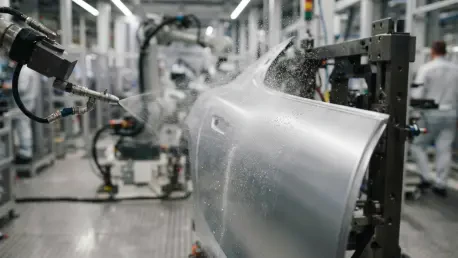

The transition to borate-free alkaline cleaners represents a fundamental change in how the automotive and aerospace industries manage their surface preparation protocols. This shift is particularly evident in the current manufacturing landscape of 2026, where the cleaning stage has moved from being a neglected utility to a cornerstone of production efficiency. While assembly lines and finishing booths often receive the most attention, the integrity of the final product is inextricably linked to the quality of the initial surface preparation. Any contaminant remaining on a substrate—whether it be residual oils from the stamping process or weld scale from assembly—can lead to catastrophic failures in downstream bonding or coating applications. Consequently, manufacturers are re-evaluating their chemical dependencies, seeking solutions that provide clinical levels of cleanliness without the massive energy and environmental costs traditionally associated with heavy-duty industrial degreasing operations.
Advancing Chemical Composition for Modern Substrates
Regulatory Compliance: Moving Beyond Borate Chemistry
The manufacturing industry has reached a critical juncture in 2026 as global environmental standards, such as the REACH regulations, continue to tighten the parameters for chemical usage. For decades, borates were considered indispensable in alkaline cleaners because they provided a reliable buffering capacity and prevented the aggressive etching of sensitive aluminum surfaces. However, increasing concerns regarding the health and environmental impact of these substances have catalyzed the development of safer alternatives. Modern formulations, such as the BONDERITE C-AK 5831 ECO, have successfully replaced borates with advanced builders composed of balanced alkalis and phosphates. This transition allows plants to meet stringent safety requirements without sacrificing the chemical stability or performance levels that high-volume production lines demand.
Technical Performance: Maintaining Material Integrity
The primary challenge in moving away from traditional chemistry was finding a way to achieve a controlled, minimal etching effect on aluminum alloys while maintaining high soil-carrying capacity. In the current production environment, the goal is to remove metal chips, greases, and welding smut without attacking the underlying metal grain structure. Modern builder systems achieve this by leveraging a mildly alkaline pH, typically around 8.2 in a one-percent solution. This mildness ensures that the metal surface remains intact and chemically receptive for subsequent layers, such as conversion coatings or structural adhesives. By precisely controlling the chemical interaction at the interface of the substrate and the soil, these new cleaners provide a level of material preservation that was difficult to achieve with older, more caustic formulations.
Modular Synergy: The Builder and Surfactant Model
To provide the flexibility required by diverse industrial applications, contemporary cleaning systems utilize a modular approach where the main alkaline builder is paired with specialized surfactant additives. This synergy allows for a high degree of process customization; the builder handles the structural breakdown of contaminants, while the surfactants focus on emulsification and preventing the redeposition of oils. In 2026, this modularity is essential because it enables a single cleaning line to be fine-tuned for either spray or immersion applications. By selecting specific additives from ranges like BONDERITE C-AD, factory managers can optimize their baths for the specific types of lubricants or residues present on their unique production parts, ensuring a tailormade cleaning solution for every shift.
Process Versatility: Managing Complex Soil Loads
The versatility of modern modular cleaners is particularly evident when dealing with the heavy soil loads found in the aerospace and automotive sectors. Difficult residues, such as high-viscosity hot-melt lubricants and carbonized weld scale, require a robust chemical response that does not compromise the sensitive aluminum or galvanized surfaces. The integration of high-performance surfactants into the cleaning cycle allows these contaminants to be lifted and held in suspension, preventing them from contaminating the bath prematurely. This capability extends the life of the cleaning solution and ensures that the first part of the day receives the same level of surface purity as the last. This consistent performance is vital for maintaining the high throughput speeds and low defect rates required in the competitive manufacturing markets of 2026.
Sustainability Through Thermal and Waste Management
Energy Optimization: Lowering Operational Temperatures
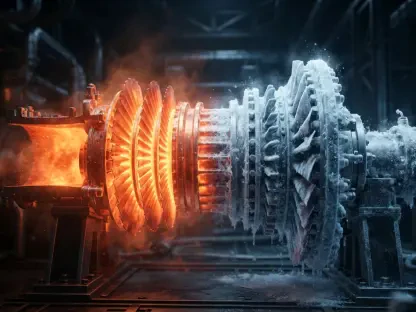
One of the most impactful developments in 2026 is the widespread adoption of low-temperature cleaning technologies that operate effectively between 30°C and 40°C. Historically, industrial cleaning required temperatures as high as 60°C to facilitate the chemical reactions necessary for degreasing. However, the energy required to maintain these large baths at high heat represents a massive operational expense and a significant portion of a facility’s carbon footprint. New chemical formulations have broken the link between high temperature and high performance. By utilizing surfactants that are specifically engineered to remain active in cooler environments, manufacturers can now achieve superior cleaning results while drastically reducing the thermal energy input required for their pretreatment lines.
Carbon Mitigation: Quantifying Environmental Gains
The transition to cooler cleaning baths provides a direct and measurable path toward achieving corporate sustainability goals. Industry data from the start of 2026 indicates that for every 10-degree Celsius reduction in the temperature of a spray application, a plant can reduce its energy consumption by approximately 15 percent. For large-scale operations, moving from a 60°C standard to a 30°C low-temperature window represents a cumulative energy saving that significantly lowers the plant’s overall CO2 emissions. This reduction is not just a benefit for the environment but also a strategic advantage in a market where energy prices remain volatile and carbon taxes are becoming increasingly common across global manufacturing hubs.
Wastewater Efficiency: Simplifying Chemical Neutralization
Sustainability in industrial cleaning also extends to the back end of the process, specifically within the wastewater treatment facility. Because modern cleaners like the BONDERITE ECO range are mildly alkaline and borate-free, they are far less aggressive than the caustic cleaners of the past. This mildness simplifies the neutralization process and reduces the volume of precipitation chemicals required before the water can be safely discharged or recycled. Furthermore, the low-etching characteristics of these modern solutions mean that fewer metal ions are dissolved into the cleaning bath during the cycle. This leads to a cleaner effluent stream and a notable reduction in the overall chemical load that must be managed by the facility’s environmental systems.
Waste Reduction: Minimizing Industrial Sludge Generation
A major pain point in metal pretreatment has always been the generation of industrial sludge, which is expensive to treat and difficult to dispose of. Much of this sludge is the result of excessive metal etching and the precipitation of heavy chemical components. By utilizing cleaners that focus on soil removal rather than aggressive substrate etching, manufacturers in 2026 have seen a significant decrease in sludge production. Lower sludge levels mean fewer maintenance shutdowns for tank cleaning and lower costs for hazardous waste disposal. This holistic approach to waste management ensures that the cleaning stage contributes to a circular economy model where resources are used more efficiently and the environmental footprint of production is minimized.
Strategic Implementation in Multi-Metal Manufacturing
Material Integration: Handling Mixed-Metal Production Lines
The trend toward lightweighting in 2026 has resulted in production lines that must simultaneously process a variety of materials, including aluminum alloys, cold-rolled steel, and various galvanized coatings. This mixed-metal environment poses a significant challenge for cleaning chemistry, as a solution that is effective for steel might be too aggressive for aluminum. Modern sustainable cleaners are designed with this specific versatility in mind, providing a safe and effective cleaning action across a broad spectrum of substrates. This allows manufacturers to run integrated lines without the need for separate cleaning stages for different materials, thereby reducing the physical footprint of the pretreatment area and streamlining the entire production flow.
Reliability and Testing: Data-Driven Process Changes
Switching to a new cleaning chemistry in a high-volume facility is a complex undertaking that requires careful planning and rigorous testing to avoid production downtime. In 2026, this transition is supported by a data-driven approach that includes laboratory trials and on-site pilot programs. Experts emphasize that because every production line has a unique combination of contaminants and materials, preliminary testing is essential to calibrate the surfactant levels and temperature settings. This scientific rigor ensures that the new cleaning process is perfectly aligned with subsequent stages like adhesive bonding or high-performance painting, guaranteeing that the shift to more sustainable chemistry does not come at the cost of product reliability or quality.
Digital Tools: Assessing Environmental and Economic Impact
To aid in the strategic transition to sustainable cleaning, plant managers now utilize advanced digital modeling tools such as the Henkel Environmental Assessment Reporting Tool (HEART). These platforms allow manufacturers to simulate their existing processes and compare them against potential alternative scenarios. By inputting specific data points regarding energy use, water consumption, and chemical throughput, the software provided a transparent assessment of how a change in cleaning chemistry would affect the plant’s total operational costs and CO2 footprint. This transparency allowed for better decision-making and helped justify the investment in new technologies by demonstrating the long-term economic and environmental benefits of modernizing the cleaning stage.
Operational Success: The Conclusion of the Transition
The implementation of sustainable cleaning protocols across the manufacturing sector represented a significant milestone in the pursuit of resource-efficient production. The shift to borate-free, low-temperature systems allowed facilities to meet the dual challenges of rising energy costs and stricter environmental regulations without compromising on the quality of surface preparation. These advancements proved that the cleaning stage, while often overlooked, was a vital link in the manufacturing value chain that offered substantial opportunities for optimization. By adopting modular chemistry and digital assessment tools, companies achieved a more resilient and sustainable operational model. The successful integration of these technologies demonstrated that environmental stewardship and industrial performance were no longer mutually exclusive goals, but rather complementary components of a modern manufacturing strategy.