The relentless evolution of the global manufacturing landscape has finally reached a point where digital algorithms must bridge the gap into the physical world through tangible machine intelligence. This shift represents a move away from purely abstract data processing toward a model where

Direct internet exposure of temperature controllers has transformed mandatory regulatory compliance tools into viable entry points for industrial saboteurs. This reality became painfully clear across France when supermarket refrigeration systems fell victim to a series of coordinated digital
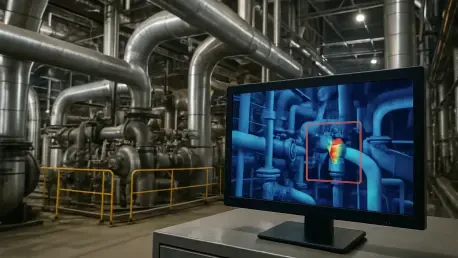
Rigorous testing on NASA-sourced spacecraft telemetry and water treatment testbeds has proven the efficacy of decomposition-based modeling for detecting coordinated cyber-attacks. In the high-stakes environment of modern industrial operations, the sheer volume of data produced by sensors can be
Effective industrial security strategies prioritize physical safety and process continuity over the simple data protection priorities found in IT departments. This fundamental shift marks the end of an era where manufacturing plants relied on the myth of the "air gap" to ensure operational
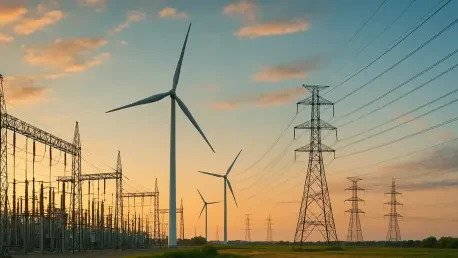
Heron Power’s integrated Heron Link system aims to eliminate grid bottlenecks by combining low-voltage inverters and medium-voltage transformers into a single five-megawatt unit. This innovation arrives as the United States navigates a historic overhaul of its power conversion and energy
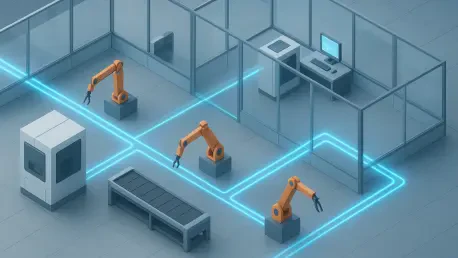
Threat actors are now utilizing artificial intelligence to clone executive voices and craft hyper-targeted social engineering attacks against industrial organizations. This shift represents a massive escalation in the complexity of threats facing the manufacturing world today. As the push for