
The rapid proliferation of decentralized data processing across global industries has fundamentally altered the technological landscape, forcing a shift from centralized cloud dependencies to agile, local intelligence. As latency requirements become more stringent for autonomous systems and
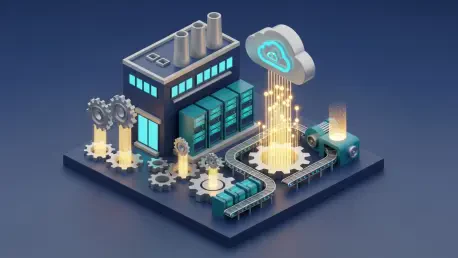
The sophisticated architecture of a contemporary manufacturing plant often conceals a fragmented reality where advanced robotic systems and cloud-based analytics platforms fail to communicate effectively. This internal dissonance creates a massive efficiency drain, leaving companies with high-tech
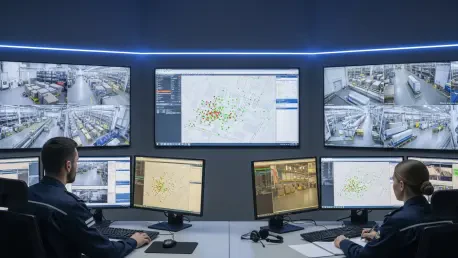
A single breach in an automated manufacturing line or a regional power grid today can paralyze entire supply chains, transforming digital vulnerabilities into tangible physical crises within minutes. As the boundary between interconnected software and heavy machinery dissolves, the stakes for

The rapid convergence of Large Language Models and autonomous exploitation frameworks has fundamentally altered the global threat landscape, rendering traditional signature-based defenses nearly obsolete. As digital environments expand into complex multi-cloud ecosystems, the sheer volume of
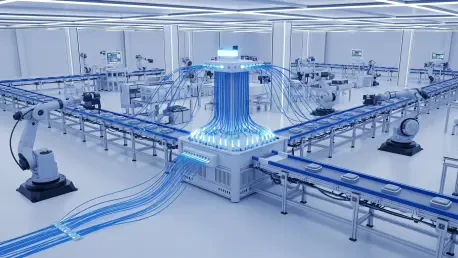
The rapid convergence of information technology and operational technology has forced industrial facilities to abandon the legacy mindset of isolated machine logic in favor of high-speed, data-driven ecosystems. In this modern era, the simple execution of a manufacturing cycle is no longer the sole

The success of industrial automation is often defined by a surprising paradox where projects that move slowly at the start yield the most reliable long-term results across various industrial sectors. While many stakeholders are understandably eager to see rapid installation and immediate returns on