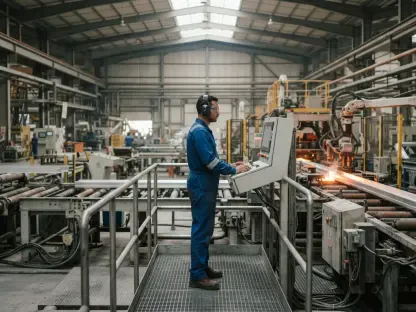

Removing copper from the scrap supply is an economic necessity that would allow the United States to produce high-grade steel from its own recycled resources. As the Department of Energy shifts its focus toward the industrial challenges of the late 2020s, the National Laboratory of the Rockies has taken the lead in establishing the Tramp Element Removal Innovation Center, or TERI. This facility acts as a high-stakes incubator, tackling the invisible impurities that threaten the integrity of domestic manufacturing. In an era where resource independence is paramount, the ability to transform contaminated junk into premium industrial material is more than just a technical hurdle; it is a vital component of national security. By leveraging advanced materials science, the TERI initiative seeks to revitalize the American steel industry, ensuring it remains a global powerhouse. This strategic pivot highlights a move away from traditional smelting toward a sophisticated, tech-driven circular economy that prioritizes efficiency and decarbonization across the entire heavy industrial sector.
Addressing the Contamination Crisis
Identifying Threats to the Scrap Supply
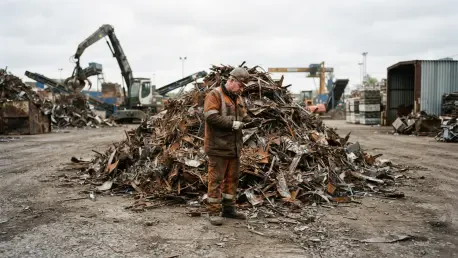
The American steel industry has undergone a radical transformation, with approximately 70% of current production now relying on recycled scrap rather than traditional iron ore. While this shift significantly reduces energy consumption and carbon emissions, it has introduced a persistent and growing challenge known as tramp elements. These unwanted metals, primarily copper, infiltrate the recycling stream and compromise the structural integrity of the final product. The source of this contamination is found in the very products that define modern life, such as technologically advanced vehicles, appliances, and electronics. A single electric vehicle or high-end combustion engine car contains miles of intricate copper wiring and dozens of small electric motors that are nearly impossible to separate manually. As these items reach the end of their lifespans, they enter the scrap pool, carrying with them a heavy load of metallurgical pollutants that current mechanical sorting systems cannot filter out.
Moving Beyond Traditional Dilution
For decades, the standard procedure for managing impurities was the dilution solution, where steelmakers would add high-purity virgin iron ore to contaminated scrap to lower the overall percentage of copper. While this method was effective when copper levels were low and virgin iron was cheap, the economic landscape has changed dramatically. The costs associated with mining, transporting, and smelting virgin iron have skyrocketed, while the energy required to process primary ore stands in direct opposition to national decarbonization goals. Continuing to rely on dilution is no longer a sustainable strategy for a domestic industry that is trying to remain competitive against international players who have access to lower-cost energy or raw materials. The TERI Center is specifically focused on breaking this dependence by providing a technological alternative that can purify scrap directly, eliminating the need for expensive sweeteners that artificially inflate production costs for American mills.
Collaborative Innovation and Scaling
Building a Multidisciplinary Alliance
Solving the copper contamination crisis requires a level of expertise that transcends any single institution, leading to the formation of a massive multidisciplinary alliance. The National Laboratory of the Rockies serves as the anchor, but the project’s success depends on the specialized knowledge of partners like the University of Minnesota’s Natural Resources Research Institute. By integrating the fundamental research capabilities of the Massachusetts Institute of Technology and the Colorado School of Mines, the consortium can explore metallurgical challenges at the atomic level. These academic powerhouses are tasked with uncovering new chemical reactions and physical separation techniques that were previously considered commercially unviable. This collaborative framework ensures that the latest breakthroughs in materials science are immediately tested against the theoretical limits of physics. The goal is to move beyond incremental improvements and achieve a fundamental shift in how metal impurities are managed in the current industrial cycle.
Testing and De-risking New Methods
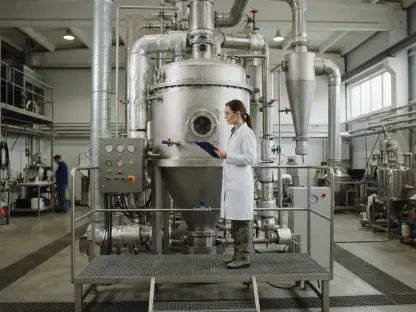
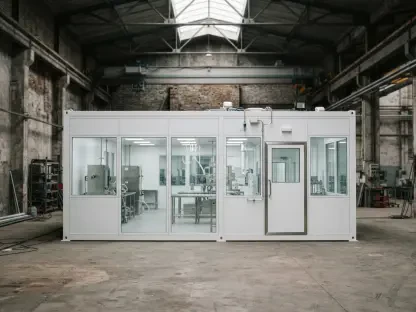
To bridge the notorious “valley of death” in industrial innovation, the TERI Center utilizes a rigorous two-tiered testing framework designed to prove scalability. The process begins at the bench-scale level within the National Laboratory of the Rockies’ specialized facilities, where researchers experiment with small batches to validate the underlying chemical or mechanical principles. Here, the focus is on technical viability and the precision of copper removal without damaging the base ferrous material. Once a process demonstrates consistent results at this level, it is graduated to the pilot-scale phase at the NRRI’s massive infrastructure. This second stage is where the technology is put under the stress of processing hundreds of kilograms of material, mimicking the flow and heat of a real-world production environment. This graduated approach allows the team to identify potential failure points early on, saving millions of dollars in future development costs and providing the data necessary to convince skeptical industrial investors.
Securing a Circular Industrial Future
Integrating Systems for Maximum Benefit
A critical aspect of the TERI project involves ensuring that new purification technologies integrate seamlessly with the existing, massive infrastructure of modern steel plants. Researchers are not just looking for a way to pull copper out of the mix; they are searching for processes that provide secondary benefits to the overall steelmaking cycle. For instance, some of the chemical methods currently being tested for copper removal have shown a surprising ability to simultaneously eliminate sulfur and other trace impurities. This dual-action capability could significantly lower the costs of secondary metallurgy, reducing the need for separate desulfurization steps later in the production line. By optimizing the scrap treatment phase, manufacturers can improve the efficiency of the entire plant, leading to shorter cycle times and lower energy consumption per ton of steel. This holistic approach ensures that the introduction of new tech does not become a logistical bottleneck, but rather a catalyst for a more streamlined and cost-effective manufacturing process.
Establishing a Strategic Industrial Blueprint
The establishment of the TERI Center of Excellence provided a clear path forward for the American steel industry by addressing its most pressing metallurgical vulnerability. Through the collaborative efforts of national laboratories, universities, and private corporations, the initiative successfully demonstrated that the dilution solution was no longer the only viable option for managing scrap contamination. By focusing on the molecular and mechanical separation of copper, the project provided the technical evidence needed to unlock substantial private sector investment. These advancements allowed domestic steelmakers to significantly increase the use of recycled materials in high-performance applications, thereby reducing the environmental impact of traditional smelting. The project ultimately proved that strategic government intervention could bridge the gap between early-stage innovation and industrial reality. This effort secured a reliable, high-purity supply of domestic steel that became the cornerstone of the nation’s infrastructure and manufacturing resurgence.