
Security experts have observed that ransomware groups no longer require specialized knowledge of industrial protocols to paralyze complex global supply chains. This strategic evolution has manifested in a sharp surge of activity during the second quarter of 2026, where the global industrial

Zero Trust architecture is replacing the outdated castle-and-moat security model by requiring continuous identity verification for every user and machine-to-machine communication. This evolution marks a significant departure from the era when industrial systems were shielded by physical distance
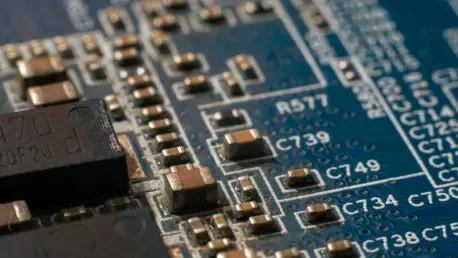
As a pure-play investment vehicle on the Australian Securities Exchange, this ETF maintains a 100% allocation to the technology sector to capture the full value of the chip industry. Known by the ticker SEMI, this fund targets the hardware that powers the modern economy, from artificial
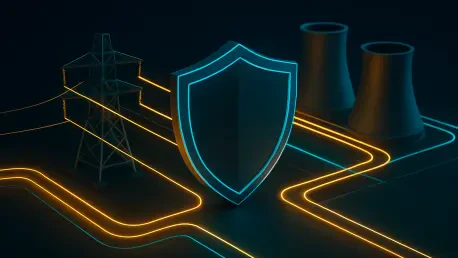
Specialized industrial monitoring solutions are essential for detecting unauthorized configuration changes or abnormal communication patterns that traditional IT tools cannot see. The transition from isolated industrial sites to interconnected digital hubs has transformed power plants into primary

Modern cyber espionage has transitioned into a state of gray warfare where nation-states disrupt life-sustaining services while maintaining a level of plausible deniability. This shift is most evident in the recent advisories from a coalition including the Cybersecurity and Infrastructure Security

Maintaining a strict logical and physical separation between operational technology and information technology networks is necessary to prevent lateral movement by attackers who have breached the corporate perimeter. As industrial environments become increasingly interconnected, the traditional