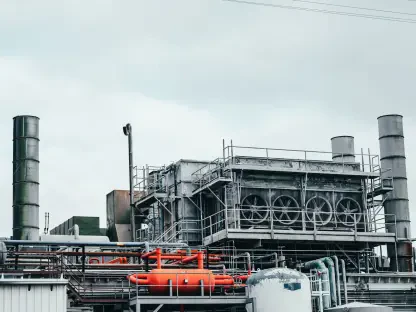

The revocation of a closure order at the Vadodara plant was quickly overshadowed by a lethal gas leakage at another facility, highlighting the persistent challenges of multi-site environmental and safety compliance. For a company like Indo Amines, which has built its reputation on the precise manufacturing of specialty chemicals, such an incident serves as a sobering reminder of the volatility inherent in the industry. The tragedy occurred during a period when the organization was gaining significant momentum in the global market, showcasing the thin line between operational excellence and catastrophic failure. As the specialty chemicals sector continues to expand, the pressure to maintain high throughput often collides with the rigorous demands of safety protocols. This event has forced a re-evaluation of how growth is managed alongside risk, especially as public and regulatory scrutiny intensifies. The incident at Mahad not only disrupts current production but also raises fundamental questions about the scalability of safety management systems within rapidly expanding industrial enterprises.
Financial Growth and Regulatory Pressures
Evaluating the Momentum of Market Expansion
In the months leading up to the current fiscal year, the company demonstrated an impressive ability to capture market share, resulting in a 24.1% revenue surge. This growth was fueled by a diverse product portfolio that serves industries ranging from pharmaceuticals to agrochemicals. High demand for specialized amines and derivatives has allowed the firm to post record profits, creating a sense of optimism among stakeholders and investors. However, this financial trajectory is now facing a critical test as the costs of the recent industrial accident begin to manifest. Beyond the immediate legal and compensation expenses, the company must contend with the opportunity cost of idle machinery and a potential decline in stock valuation. The paradox of the situation lies in the fact that the very success that provided the resources for expansion may have also stretched the existing safety oversight mechanisms to their breaking point. Maintaining such aggressive growth requires a proportional investment in predictive maintenance and real-time monitoring technologies to avoid future disruptions.
Navigating the Complexities of Regional Compliance
The operational landscape for chemical producers is often defined by a complex web of environmental regulations, as seen with the recent developments at the Vadodara facility. After successfully navigating the requirements of the Gujarat Pollution Control Board to have a closure order revoked, the company seemed poised to reach full production capacity across its network. This regulatory victory was intended to be a turning point, signaling a new era of compliance and efficiency. Instead, the sudden emergency at the Mahad site on August 15, 2026, replaced one bottleneck with an even more severe crisis. The transition from celebrating a plant reopening to managing a site-wide shutdown highlights the fragility of industrial operations in the modern era. This “regulatory rollercoaster” underscores the reality that environmental permits and safety certifications are not static achievements but ongoing commitments that require constant vigilance. For management, the challenge is now to harmonize standards across geographically dispersed units to ensure that a localized success is not undermined by a failure elsewhere.
Operational Resilience and Risk Management
Protecting Global Supply Chains from Local Disruptions
To minimize the impact of the Mahad facility’s suspension, the executive team is actively exploring strategic rerouting of its production schedules to alternative manufacturing sites. This maneuver is essential for preserving relationships with a global client base that spans seventy different countries and relies on a steady supply of specialized chemical precursors. In an environment characterized by volatile feedstock prices and fluctuating inventory levels, any prolonged delay could lead to a permanent loss of market share to competitors. The ability to pivot manufacturing responsibilities effectively serves as a litmus test for the company’s internal logistics and agility. By utilizing underused capacity at other plants, the organization hopes to honor its long-term contracts while the investigation at Mahad continues. This strategy, however, places additional strain on the active facilities, requiring heightened oversight to ensure that the increased workload does not lead to further safety oversights or environmental violations. The focus remains on demonstrating resilience to a market that is increasingly sensitive to supply chain reliability.
Strengthening Safety Protocols for Sustainable Success
While short-term mitigation strategies address immediate supply needs, the long-term restoration of investor confidence depends on a fundamental shift in safety culture and capital allocation. Analysts have adopted a cautious stance, as the shadow of the Mahad incident looms over the company’s previous financial gains. To reverse this bearish sentiment, the firm will likely need to commit to significant capital expenditures aimed at upgrading its safety infrastructure, including automated gas detection systems and enhanced emergency response training for personnel. These investments, while potentially impacting short-term profit margins, are necessary for building a sustainable business model that can withstand rigorous international scrutiny. The reputation of being a responsible exporter is a valuable intangible asset that takes years to build but can be tarnished in a single afternoon. Consequently, the organization must prove to both domestic regulators and global partners that its safety protocols are as sophisticated as the chemical processes it manages. The path forward involves integrating safety metrics directly into executive performance evaluations.
Establishing Future Standards for Industrial Excellence
The recent events served as a catalyst for a broader industry discussion regarding the integration of advanced safety technologies within high-growth manufacturing environments. Moving forward, the implementation of Internet of Things sensors and AI-driven predictive analytics offered a viable pathway for identifying potential leaks before they reached critical levels. These technological solutions, combined with a transparent reporting culture, allowed organizations to move beyond reactive measures and toward proactive risk management. For Indo Amines, the priority became the establishment of a centralized safety oversight board that possessed the authority to halt production at any site showing signs of non-compliance. This structural change ensured that safety became a core pillar of the corporate identity rather than a secondary consideration for the legal department. Furthermore, the adoption of standardized safety audits across all international and domestic locations helped to eliminate the discrepancies that led to previous regulatory friction. By prioritizing human life and environmental integrity, the company demonstrated that sustainable growth was only possible when safety standards evolved in tandem with production capacity.