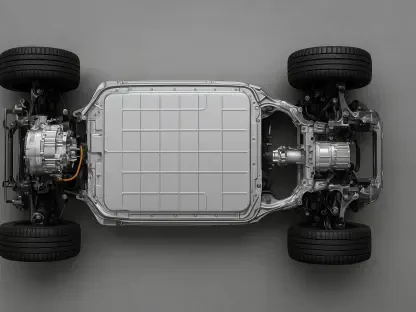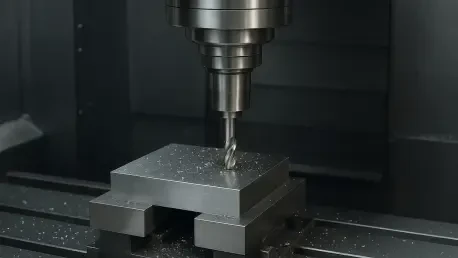

Specialized CNC shops have moved beyond basic metal cutting to offer end-to-end assembly services that simplify the supply chain for complex multi-material electronic devices. In the current manufacturing landscape, the primary objective for procurement professionals has shifted from simple cost reduction to the acquisition of technical maturity and process reliability. High-precision industries, including aerospace and medical technology, now demand a level of integration that bridges the gap between raw material sourcing and final sub-assembly. This trend is particularly evident in the Chinese machining sector, where the traditional image of massive factories churning out low-tolerance components has been replaced by agile, technologically advanced hubs. These modern facilities utilize 5-axis milling and precision turning to handle the intricate geometries required for today’s robotics and electric vehicle components. Achieving success in this environment requires a deep understanding of how these suppliers manage the transition from digital design to physical realization. As engineers push the boundaries of what is possible with aluminum alloys and stainless steel, the role of the CNC partner has become foundational to the overall success of the product lifecycle. The complexity of these parts often dictates a sourcing strategy that prioritizes transparency and quality documentation over the immediate availability of production capacity.
Identifying Key Players: The Specialized Machining Ecosystem
The Chinese CNC sector is currently characterized by a high degree of specialization, where manufacturers like Rejin CNC lead the market by offering versatile multi-specialist capabilities. These firms are no longer generalists; they have curated equipment lists and engineering teams that specifically cater to projects bridging the gap between rapid prototype development and high-volume production. For instance, when a project involves complex UAV structural parts or specialized automotive fasteners, the ability to transition from a 3-axis prototype to a 5-axis production run within the same facility is invaluable. This versatility ensures that the design intent is preserved throughout the scaling process, reducing the risk of geometric errors that often occur when moving between different vendors. By focusing on shops that possess advanced multi-axis capabilities, buyers can secure a partner capable of producing organic shapes and thin-walled structures that were previously impossible to manufacture at scale.
Beyond the versatile specialists, the market has seen the rise of niche experts such as HLC Metal Parts and Bergek, who focus on the intersection of CNC machining and specialized assembly. These organizations are the preferred choice for electronic enclosures and industrial housings that require not only tight dimensional tolerances but also superior aesthetic finishes. Their expertise extends to post-processing techniques like bead blasting, brushing, and precision anodizing, which are critical for consumer-facing hardware. Simultaneously, providers like JUNYU and HooTai have carved out a space in the high-precision engineering niche, utilizing wire EDM and optical profile grinding to work with extremely hard materials like tungsten carbide. These specialized services are essential for the production of non-standard mechanical parts used in robotics and automation, where unique geometries and extreme durability are non-negotiable. Identifying the correct supplier now involves matching the specific technical demands of the component with the historical niche performance of the factory.
Quality Standards: Navigating Regulatory and Technical Compliance
In the current manufacturing climate, technical capability is effectively meaningless without the administrative rigor to support it, particularly in the automotive and medical sectors. Suppliers such as Super-Ingenuity have redefined the standard of quality by treating the verification process as an integral part of the manufacturing output. This approach is centered on strict adherence to IATF 16949 standards and the comprehensive provision of Production Part Approval Process documentation. For an automotive buyer, the “part” is only half of the deliverable; the other half consists of detailed Coordinate Measuring Machine inspection reports and material certifications that prove the component’s reliability. This level of documentation ensures that every critical-to-quality dimension is verified against the original CAD specifications before the parts ever leave the factory floor. By prioritizing suppliers with these certifications, procurement teams can mitigate the risks associated with failure in high-stakes applications like electric vehicle powertrains or braking systems.
For the aerospace and drone industries, the focus on quality naturally extends to material integrity and structural stability under extreme conditions. Modern sourcing professionals must look for facilities that demonstrate a deep understanding of high strength-to-weight ratios, specifically when working with 6061 and 7075 aluminum alloys. The widespread adoption of 5-axis technology has allowed for the creation of organic, weight-optimized geometries that maintain structural strength while shedding unnecessary mass, which is a baseline requirement for 2026 aerospace projects. However, the manufacturing of these parts requires more than just advanced machinery; it requires a documented approach to thin-wall stability and thread-gauge accuracy. Leading Chinese shops have integrated real-time monitoring and datum-chain control to ensure that even the most complex aerospace brackets or internal flight-controller housings meet the exacting safety standards of the industry. This shift toward total process transparency has made it possible for international buyers to source flight-critical components with a high degree of confidence.
Precision Documentation: Optimizing the Request for Quote Process
A successful procurement strategy in 2026 is fundamentally built upon the quality of the technical data provided during the Request for Quote phase. To eliminate the potential for ambiguity, a unified data package must be presented to the manufacturer, containing both neutral 3D STEP files and fully dimensioned 2D drawings. The 2D drawings are particularly crucial, as they serve as the legal and technical baseline for tolerances, surface finish requirements, and masking areas for chemical treatments. Without these detailed instructions, the production team is forced to make assumptions that can lead to costly rework or project delays. Furthermore, the RFQ should clearly state the material grade and temper required, as variations in heat treatment can significantly affect the machinability and final performance of the metal part. Providing a clear roadmap at the beginning of the process allows the supplier to accurately assess their capability and provide a quote that reflects the true complexity of the project.
Beyond the immediate technical specifications, an effective RFQ package must address the broader logistical and quality expectations of the partnership. This includes specifying the required level of inspection, whether it be a standard dimensional report or a comprehensive Level 3 PPAP submittal. By defining these requirements upfront, the buyer allows the manufacturer to factor the necessary labor and equipment time into the initial cost estimate, preventing “price creep” later in the production cycle. Additionally, sharing annual volume forecasts alongside immediate batch requirements provides the supplier with the foresight needed for efficient material procurement and tooling planning. This level of communicative transparency often results in more competitive pricing and more stable lead times, as the manufacturer can optimize their production schedule around a predictable workload. In the 2026 market, the most successful partnerships are those where the buyer provides the manufacturer with all the tools necessary to succeed from the very first day.
Strategic Selection: Evaluating Technical Partnerships Over Capacity
The modern landscape of Chinese machining is highly bifurcated, necessitating a “Question-Fit” approach for any professional seeking high-precision components. This methodology moves beyond simply assessing the total number of milling centers or lathes a factory possesses and instead focuses on the shop’s historical performance in a specific industrial niche. For example, a manufacturer that excels in the high-volume production of automotive shafts may not be the ideal choice for a low-volume, high-aesthetic electronic housing, regardless of their total machine count. The nuances of surface finishing and cosmetic handling are fundamentally different from those of mechanical durability and high-speed turning. Smart sourcing professionals now use the RFQ stage to ask targeted questions about a supplier’s experience with similar geometries and materials, seeking case studies and sample parts that demonstrate a proven track record in the relevant field.
The integration of advanced metrology and multi-axis machining proved to be the decisive factor for organizations that sought to maximize their supply chain efficiency. Procurement teams that successfully transitioned to this model found that auditing a supplier’s internal verification protocols was more effective than relying on third-party certifications alone. They discovered that prioritizing 5-axis versatility reduced the need for multiple setups, which subsequently lowered the risk of tolerance stack-up in complex assemblies. By the end of the sourcing cycle, those who focused on technical depth rather than the lowest unit cost achieved a significantly higher rate of first-article approval. This strategic shift toward high-precision technical partnerships allowed manufacturers to deliver components that were truly assembly-ready, effectively eliminating the need for secondary inspections upon arrival. Moving forward, the industry adopted a standard where the value of a CNC partner was measured by their ability to provide full material traceability and managed complexity, ensuring that the global manufacturing ecosystem remained both agile and resilient.