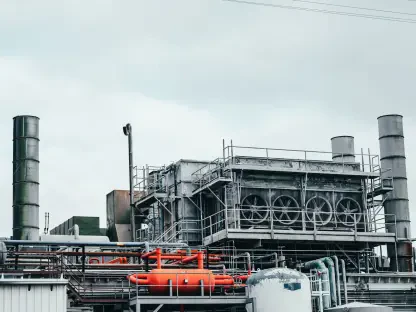

The integrity of industrial environmental safety relies heavily on the transparent management of volatile chemical byproducts that pose significant risks to public health. When a manufacturing facility chooses to bypass established federal mandates, the resulting ecological and physical hazards can persist for years, endangering both the workforce and the surrounding community. Gotec Plus Sun LLC, an automotive parts manufacturer operating out of Williamstown, Kentucky, recently faced the legal consequences of such negligence. The company was found to have flagrantly violated the Resource Conservation and Recovery Act, a foundational piece of legislation designed to ensure a comprehensive cradle-to-grave tracking system for hazardous materials. This legal framework requires that every ounce of toxic waste generated during industrial processes be documented, stored, and disposed of according to strict safety protocols. By failing to adhere to these standards, the organization essentially removed itself from the oversight intended to prevent catastrophic chemical leaks or fires, signaling a dangerous breakdown in corporate responsibility that federal investigators were determined to address.
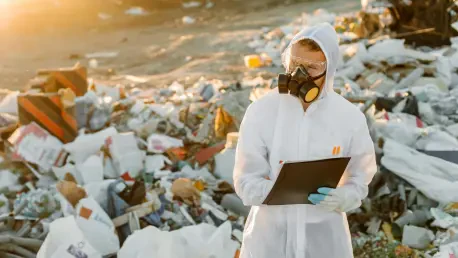
The systematic concealment of dangerous materials became the focal point of an extensive investigation led by the Criminal Investigation Division of the Environmental Protection Agency. Between early 2022 and late 2024, the manufacturer accumulated hundreds of 55-gallon drums filled with flammable solvents and toxic adhesives, which were byproducts of their specialized coating operations. Rather than utilizing permitted disposal facilities, the company chose to hide these substances within semi-trailers, shipping containers, and even an abandoned warehouse on their property. This deliberate decision to stash hazardous waste in unmonitored locations created a silent threat, as these containers were not equipped with the necessary secondary containment or ventilation systems required by law. During the proceedings, the company admitted to these violations but attempted to justify the lapse by pointing toward the severe staffing shortages and financial instabilities that emerged during the global pandemic. However, federal prosecutors maintained that operational difficulties do not grant a license to ignore public safety laws, especially when dealing with substances that could ignite or contaminate local groundwater.
Enforcing Accountability and Ensuring Future Compliance
The judicial response to these violations serves as a definitive statement regarding the non-negotiable nature of environmental regulations in the modern manufacturing sector. Gotec Plus Sun LLC received a sentence that included a substantial fine of $275,000 and a one-year probationary period, a penalty intended to strip away any perceived financial gain from avoiding proper disposal costs. Furthermore, the legal system focused on individual accountability by sentencing the former general manager, Natalie Fehse, to five years of probation. This term includes ten months of home confinement and a personal fine of $5,000, underscoring the reality that executive leadership can be held personally liable for the environmental decisions made under their watch. This outcome reinforces a growing consensus among regulatory bodies that economic hardship is an insufficient defense for creating hazardous conditions. By coordinating efforts between the Kentucky Department of Environmental Protection and federal agents, the court demonstrated that the industrial sector must remain committed to safety regardless of the shifting economic landscape or internal corporate pressures.
To avoid similar legal and ethical pitfalls, manufacturing entities should prioritize the integration of automated environmental compliance software that tracks waste generation in real-time. Moving forward, the industry must transition toward a model where internal audits are conducted by third-party environmental consultants at least twice annually to identify potential storage discrepancies before they escalate into federal violations. Establishing a dedicated environmental compliance officer who reports directly to the board of directors can ensure that safety protocols are not sidelined by middle management during times of financial stress. Additionally, companies should invest in modern waste-reduction technologies, such as solvent recovery systems, which minimize the volume of hazardous byproducts produced in the first place. Proactive engagement with state regulators for “compliance assistance” visits can also help facilities bridge the gap between complex legal requirements and daily operational realities. Ultimately, the shift from reactive containment to proactive stewardship remains the only viable path for manufacturers seeking to maintain their social license to operate in an increasingly scrutinized regulatory environment.