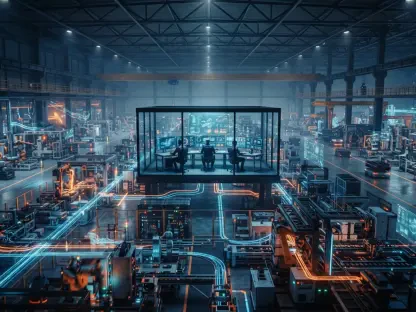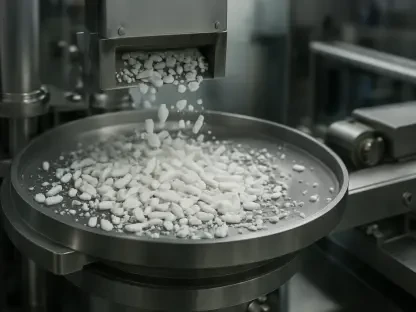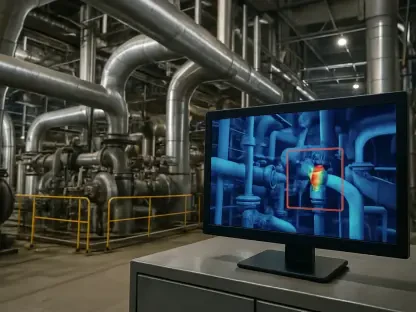
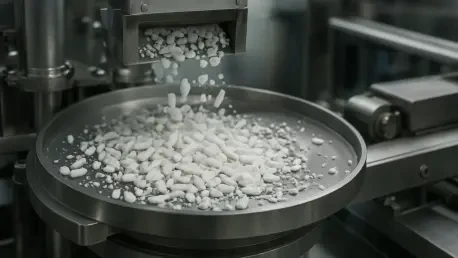
Initial development for GEA's predictive intelligence tools is focused on continuous processing lines with future plans to expand to batch equipment. This strategic focus highlights a broader industry shift as pharmaceutical manufacturers move away from isolated, manual operations toward fully
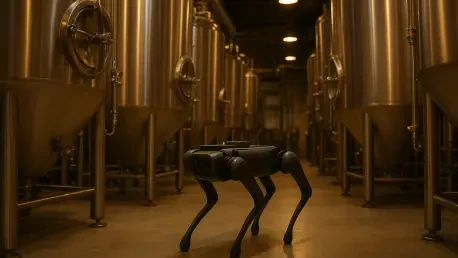
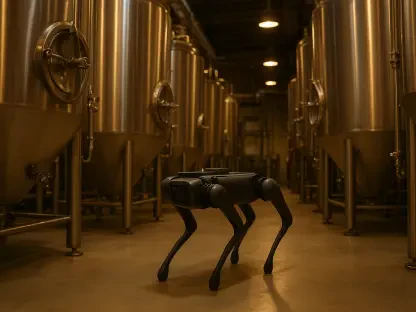
The partnership between Kirin Brewery and Tohoku Enterprise Co., Ltd. has facilitated the successful large-scale deployment of mobile robotics in a brewing environment. This initiative at the Chitose Plant represents a definitive shift toward fully integrated digital transformation within the
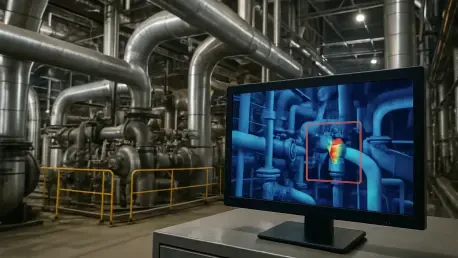
Rigorous testing on NASA-sourced spacecraft telemetry and water treatment testbeds has proven the efficacy of decomposition-based modeling for detecting coordinated cyber-attacks. In the high-stakes environment of modern industrial operations, the sheer volume of data produced by sensors can be
Designing for the factory floor means anticipating the harsh realities of industrial wear and tear while ensuring seamless data visibility for operators. The robotics landscape has moved past the initial excitement of mere mechanical capability, entering a phase where the primary concern is the

Advanced fiber-optic monitoring technology is currently limited to bearings with an outer diameter of at least one hundred and thirty millimeters due to cable bending tolerances. This technical constraint marks the current threshold of industrial innovation, yet it also highlights the immense
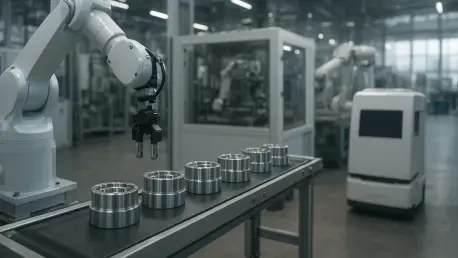
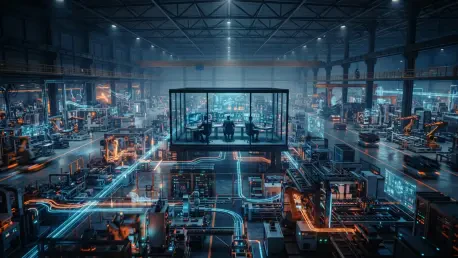
As machines take over repetitive monitoring tasks, the human role on the factory floor is evolving into one of high-level analysis and strategic decision-making. The contemporary industrial landscape is undergoing a radical shift, moving away from simple automation toward complex autonomous systems
1 2 3 4 5 6 7 8 9 10 11 12 13 14 15 16 17 18 19 20 21 22 23 24 25 26 27 28 29 30 31 32 33 34 35 36