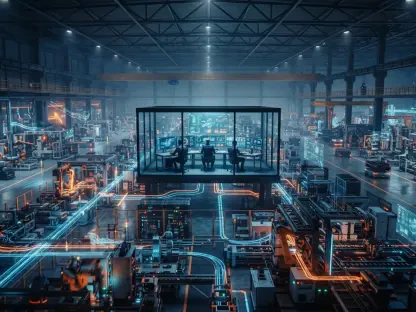
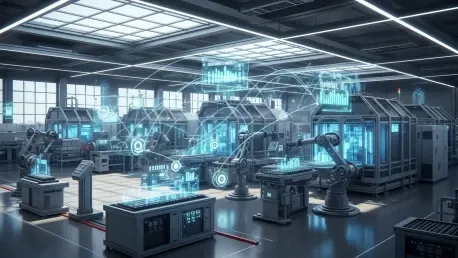
The global industrial landscape currently stands at a critical juncture where the initial novelty of artificial intelligence has transitioned into a pressing demand for measurable, large-scale operational results. For years, manufacturing facilities and supply chain hubs have experimented with
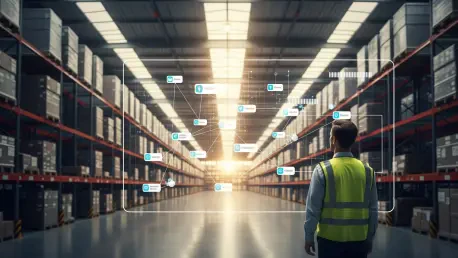
The sight of a flashing red light on a production floor dashboard no longer represents just a problem to be solved by a human operator, but rather a trigger for an intelligent system to autonomously evaluate and resolve the underlying issue before the shift even ends. In the current manufacturing
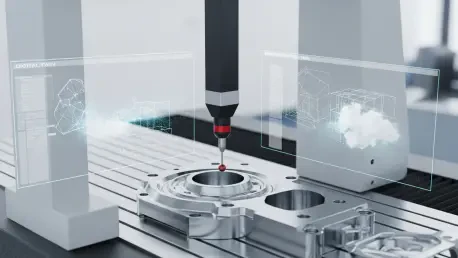
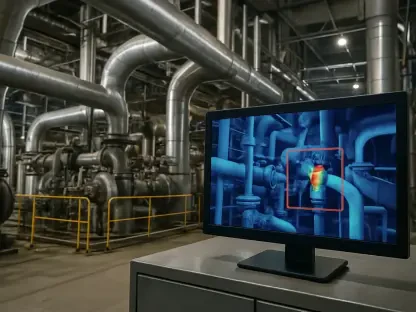
The traditional manufacturing floor has undergone a profound transformation, moving away from a linear model where inspection functioned solely as a terminal gatekeeper to one where measurement data drives every tactical decision. Historically, quality control was a post-mortem exercise where
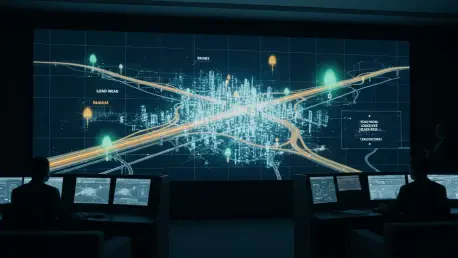
The sophisticated array of sensors and telematics systems embedded within modern automotive fleets currently generates an unprecedented volume of granular telemetry that extends far beyond simple GPS coordinates or engine performance metrics. As vehicles move through the urban landscape, they act
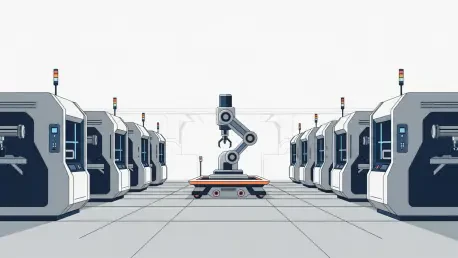
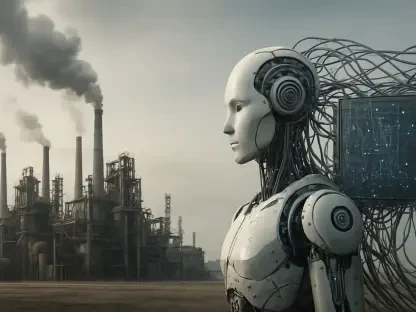
The glossy vision of a lights-out factory where humanoid robots navigate aisles with feline grace and pick parts with surgical precision often shatters the moment a real-world sensor gets covered in hydraulic fluid or a network lag causes a multi-million dollar collision. While the digital
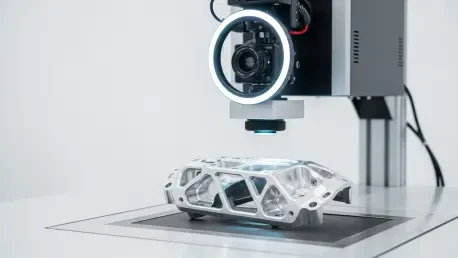
The manufacturing landscape has undergone a radical metamorphosis where the tactile intuition of seasoned machinists is now being augmented and often surpassed by the hyper-precise, data-driven insights of artificial intelligence. This shift is not merely an incremental improvement in software