
The silent failure of a single industrial conveyor belt can trigger a catastrophic chain reaction that halts production lines for days and costs facilities millions of dollars in lost revenue. In modern manufacturing hubs, where efficiency is measured in milliseconds, the sudden snap of a belt or a

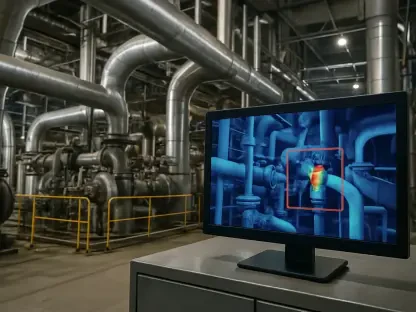
The traditional approach to industrial fluid management has long relied on a reactive cycle of emergency repairs that often leave critical operations paralyzed by the sudden and catastrophic failure of mechanical components. This outdated methodology is rapidly being superseded by sophisticated
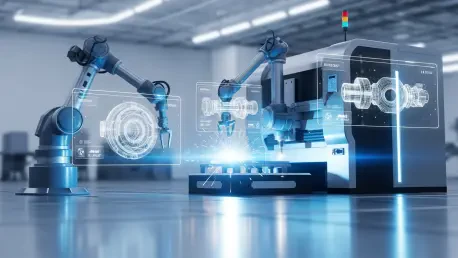
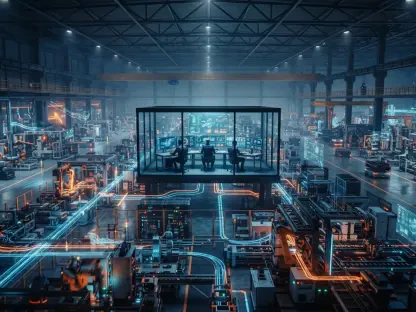
The global manufacturing landscape has reached a pivotal juncture where the primary obstacle to operational excellence is no longer the scarcity of data but the overwhelming abundance of it. Factories today are generating petabytes of information through high-speed sensors and automated logging

The persistent instability of global pharmaceutical supply chains has forced Australia to confront a precarious reality where essential medications are frequently unavailable to those who need them most. This ongoing crisis, characterized by unpredictable stockouts of life-saving antibiotics and
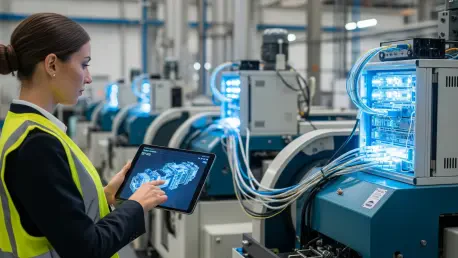
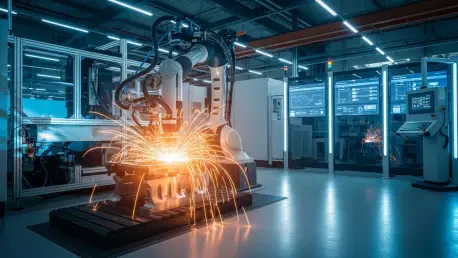
The rapid integration of sophisticated cyber-physical systems has fundamentally altered the competitive landscape for modern manufacturers who must now navigate a labyrinth of technological complexity to remain relevant. Industry 4.0 represents far more than a simple upgrade of factory hardware; it
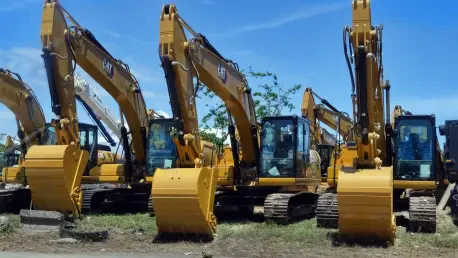
The competitive landscape of North American heavy machinery has undergone a massive transformation as contractors demand higher precision and lower operating costs for infrastructure projects. As labor shortages continue to challenge the construction sector from 2026 to 2028, the introduction of