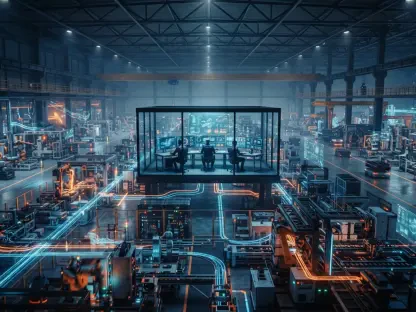
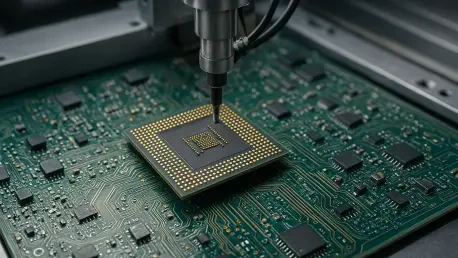
The microscopic architectures within modern semiconductor wafers have reached a level of complexity where human oversight and traditional algorithmic verification struggle to prevent catastrophic yield losses in high-stakes manufacturing environments. This technical ceiling has forced a radical

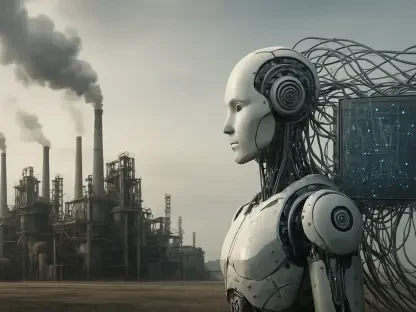
Artificial intelligence serves as a sophisticated librarian for technical documentation but lacks the ability to experience the physical nuances of machinery. In the industrial landscape of 2026, the rapid integration of large language models and predictive analytics has fundamentally altered how
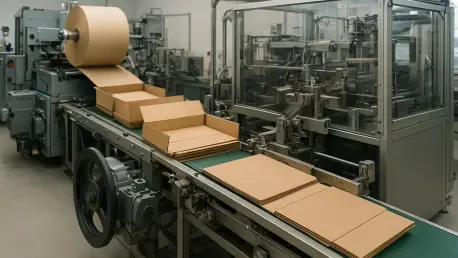
The transition to a connected production environment involves looking at the production cycle holistically rather than as a series of isolated steps. While the broader public conversation often fixates on the visibility of the packaging itself—debating the merits of ocean-bound plastic versus

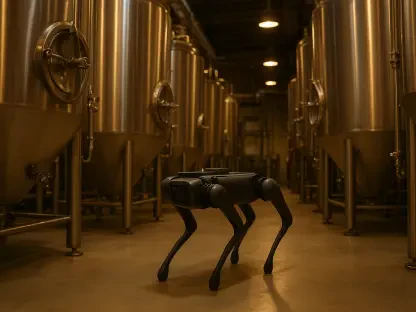
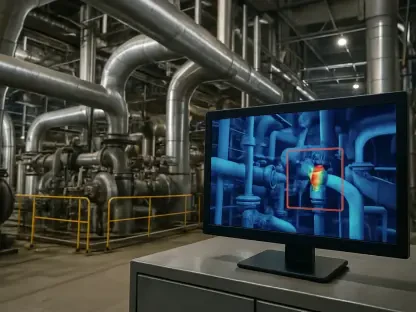
To overcome the physical limits of human labor in a facility three times the size of Yeouido, SK Innovation is scaling its fleet of autonomous inspection units. The Ulsan Complex serves as the central hub of South Korea's energy infrastructure, yet its vast 8.25-million-square-meter footprint

The mid-to-premium electric motorcycle segment, specifically those with 3 to 7 kW power ratings, is emerging as a primary commercial catalyst for advanced digital service adoption. This transition is not merely a cosmetic update to the dashboard but represents a fundamental shift in how riders
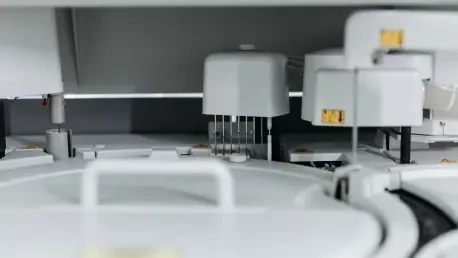
Integrating automated verification directly into the production flow enables manufacturers to generate the reliable data needed for rapid batch releases and audits. This proactive approach represents a fundamental move away from retrospective quality control toward a data-driven methodology that