
Bridging the Gap Between Silicon and Steel
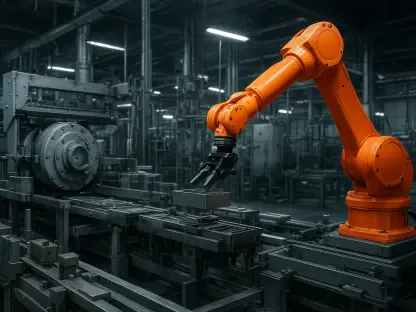
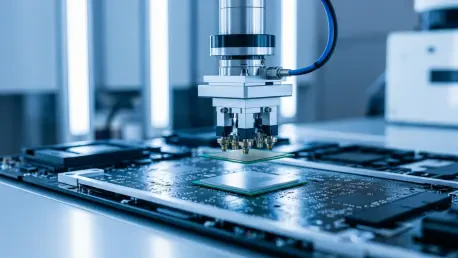
The traditional image of an assembly line churning out heavy steel frames has been replaced by a quiet, sterile environment where microscopic circuits dictate the success of the global automotive market. This monumental shift from mechanical engineering to high-performance computing is the driving force behind the landmark strategic customer agreement between General Motors and Micron Technology. This move is specifically designed to safeguard the semiconductor supply chain by providing a buffer against market fluctuations. By examining the mechanics of this deal, it becomes clear how this partnership aims to insulate a major automaker from global volatility while powering the next generation of software-defined vehicles. This evolution focuses on ensuring that the advanced vehicles of tomorrow do not run out of the critical memory required for their basic and complex functions.
The Historical Volatility of Automotive Semiconductors
Understanding the weight of the current agreement requires a look at the supply chain shocks that disrupted global manufacturing in recent years. Historically, the industry operated on a “just-in-time” delivery model, which proved insufficient when semiconductor shortages stalled production lines and resulted in significant lost revenue across the globe. This period highlighted a fundamental shift in vehicle architecture as the semiconductor intensity of cars began to skyrocket. While a basic vehicle from a decade ago required only a handful of microcontrollers, a modern high-tech model can utilize over 3,000 individual chips. This transition from simple electronics to complex integrated systems has forced a complete rethink of how raw materials and components are sourced, moving away from distant, multi-tiered networks toward direct, transparent relationships between manufacturers and their suppliers.
A New Strategic Framework for Supply Chain Resilience
Securing the Building Blocks of Autonomous Intelligence
A critical component of this strategic alliance is guaranteed access to advanced memory and storage platforms, such as low-power double data rate (LPDDR) memory and universal flash storage. These are not merely commodity parts; they represent the essential infrastructure for advanced autonomy and sophisticated driver assistance systems. With the market for these systems projected to grow nearly 9% annually through 2032, the demand for high-performance chips is no longer a peripheral concern but a core requirement for scaling production. By securing these specific technologies, the industry addresses the challenge of memory-intensive computing, ensuring that vehicles process massive streams of data required for safe navigation without falling victim to market-wide shortages or delivery delays.
The Shift Toward Onshore Manufacturing and Direct Alliances
Another essential angle of this framework is the emphasis on localized and resilient supply chains. The agreement leverages a significant $2 billion investment in domestic fabrication plants, such as the facility in Manassas, Virginia, which specializes in producing long-lifecycle automotive chips like 1-alpha DRAM. This move represents a departure from traditional industry reliance on international markets and opaque middlemen that often obscure supply risks. By fostering direct collaboration with a domestic manufacturer, an automaker gains supply predictability, which is a rare luxury in an era defined by geopolitical tension and shipping bottlenecks. This transition from a simple buyer-supplier dynamic to a deep technological alliance allows both companies to align production schedules and technical roadmaps years in advance.
Navigating the Complexities of the AI-Driven Memory Crunch
The automotive sector now faces a formidable competitor for semiconductor capacity in the form of the ongoing artificial intelligence boom. As technology giants build massive data centers, they consume a disproportionate share of the world’s memory supply, often leading to price surges and reduced availability for other manufacturing sectors. A common misunderstanding is that cars rely solely on older, lagging-edge chips; in reality, modern infotainment and safety systems require the same high-performance DRAM found in top-tier consumer electronics. This strategic deal allows for the creation of a dedicated lane in the semiconductor market, effectively insulating automotive production from the massive appetite of the AI industry and ensuring that transportation innovation is not sidelined by the expansion of data infrastructure elsewhere.
The Evolving Landscape of Software-Defined Vehicles
Looking ahead, the industry is moving toward a future defined by software-defined vehicles, where features and performance are updated over the air throughout the lifespan of the car. This shift requires even more robust storage and memory capabilities to handle continuous software iterations and increasingly immersive in-cabin experiences. More automakers are expected to follow this lead, seeking regulatory and economic stability through vertical integration and domestic partnerships. As global safety standards become more stringent, the ability to prove the reliability and longevity of internal components will become a major competitive advantage, likely leading to more speculative investments in specialized fabrication facilities dedicated solely to the unique and demanding needs of the transport sector.
Strategic Takeaways for Navigating Modern Supply Chains
The agreement offers several major takeaways for businesses operating in any high-tech manufacturing field. First, the old “just-in-time” sourcing strategy is being replaced by a “just-in-case” resilience model, where long-term agreements and direct visibility into the supply chain are paramount for survival. For professionals in the field, the recommendation is to prioritize transparency and move toward localized sourcing whenever possible to mitigate global risks. Furthermore, businesses must recognize that semiconductor intensity is a permanent trend that will only accelerate. Planning for future capacity should begin several years before a product ever reaches the assembly line. By applying these strategies, companies can better navigate the difficult transition from selling mechanical hardware to offering digital-first products.
Strengthening the Foundation of Future Mobility
The collaboration between General Motors and Micron Technology functioned as more than a simple procurement contract; it acted as a proactive defense against the volatility of a digital world. By securing the memory and storage necessary for autonomous and connected driving, the organization ensured its long-term viability in an increasingly competitive market. This partnership underscored the fact that automotive leadership involved managing silicon as much as it did moving steel. As the industry continued to evolve, these types of strategic, localized, and technologically deep alliances remained the cornerstone of industrial stability. The initiative successfully shifted the focus toward long-term predictability, ensuring that the vehicles of the future stayed on the road and ahead of the curve through disciplined integration.