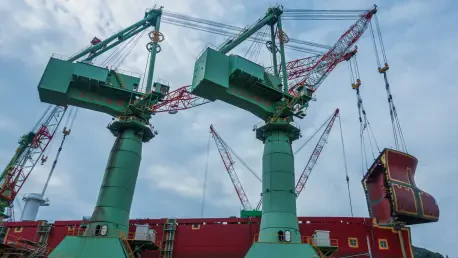

The integration of intelligent technologies into physical manufacturing processes represents a new frontier in the competition for global maritime leadership. As the maritime sector undergoes a massive digital overhaul, Italian shipbuilding titan Fincantieri is spearheading a movement to redefine the very nature of vessel construction. Through its ambitious industrial initiative known as BOOST², the company is committing nearly one hundred million dollars between 2026 and 2030 to modernize its global footprint of thirteen shipyards. This is not merely a theoretical exercise or a small-scale pilot project; it is a full-scale industrial evolution aimed at embedding advanced automation directly into the steel and sweat of the shipyard floor. By focusing on the convergence of physical AI and collaborative robotics, the organization intends to elevate manufacturing efficiency while simultaneously addressing the critical need for enhanced worker safety and superior quality across its operations.
Integrating Physical Intelligence: The Rise of Collaborative Robotics
At the heart of this technological shift is the concept of Physical AI, a sophisticated approach where intelligent systems interact directly with the material world to assist human shipbuilders. Unlike traditional automation that operates in isolation, these new systems are designed to work alongside skilled craftsmen, handling the most repetitive, physically demanding, or hazardous aspects of the assembly process. This collaborative environment ensures that the expertise of human workers is preserved while being augmented by machine precision. Fincantieri has already moved beyond the experimental phase, involving over four hundred and fifty employees in testing these robotic units in real-world scenarios. The goal is to deploy these tools seamlessly across the production line without causing disruptions to existing delivery schedules. This focus on practical, non-intrusive implementation allows the company to maintain its high output while gradually shifting toward a more automated future.
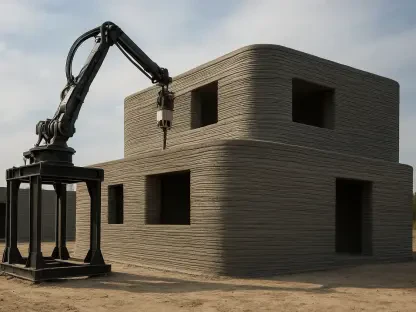
Beyond the physical robotics on the floor, the transformation includes the adoption of digital twins and highly integrated supply-chain management software. These digital replicas of physical assets allow engineers to simulate various construction phases and identify potential bottlenecks before they occur in the real world. By creating a seamless digital thread that connects the initial design phase to production planning and final assembly, the shipyard can achieve a level of synchronization previously thought impossible. Furthermore, the integration of additive manufacturing, or 3D printing, allows for the on-demand creation of complex components, reducing lead times and minimizing material waste. This holistic approach ensures that every facet of the shipbuilding process, from the sourcing of raw materials to the final coat of paint, is optimized through data-driven insights. Such a comprehensive digital ecosystem enables the shipyard to respond with greater agility to changing market demands.
The successful integration of these systems demonstrated that the transition to Industry 4.0 was as much about cultural adaptation as it was about technical prowess. For maritime leaders who sought to follow this path, the primary lesson was the necessity of prioritizing the synergy between human labor and autonomous machines rather than viewing them as opposing forces. Success in this sector depended on a commitment to continuous education, ensuring that the existing workforce possessed the skills required to manage and maintain sophisticated AI-driven equipment. Moreover, establishing a robust data infrastructure became a prerequisite for any shipyard aiming to utilize digital twins or predictive maintenance effectively. Organizations that engaged with external ecosystems found they could rapidly prototype and integrate dual-use technologies. This strategy ensured that the maritime industry remained a pioneer in the global manufacturing landscape by focusing on the synthesis of human skill and machine precision.