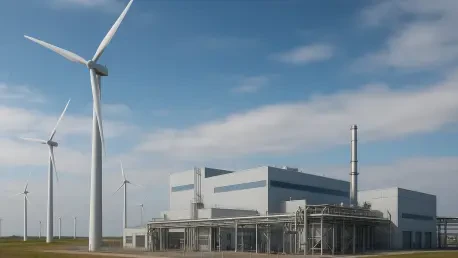

The global shift toward sustainable energy has reached a critical inflection point where traditional manufacturing methods no longer suffice to meet the staggering demand for utility-scale wind infrastructure. Suzlon Energy has responded to this challenge by initiating a massive strategic pivot, earmarking a capital expenditure of five hundred and fifty crore rupees to modernize its industrial capabilities. This investment facilitates the construction of three advanced wind turbine blade manufacturing facilities, which are designed to integrate seamlessly into the high-potential wind corridors of India. By moving beyond conventional assembly lines, the organization aims to address a project backlog that currently exceeds six gigawatts, ensuring that the transition to renewable power is both rapid and reliable. This shift represents more than just a capacity increase; it is a fundamental reimagining of how heavy industrial components are designed, fabricated, and deployed in an era defined by digital precision and the urgent need for carbon neutrality.
The Digital Shift: Integrating AI and Advanced Robotics
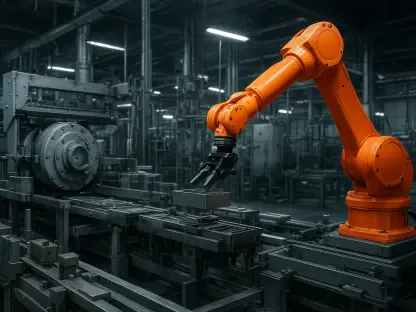
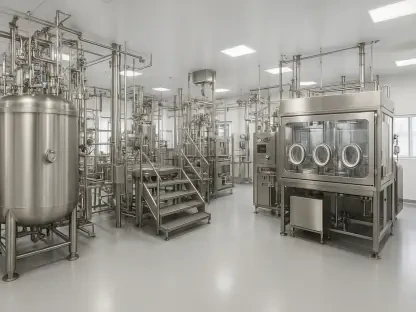
The heart of this industrial transformation lies in the implementation of smart factory protocols that utilize artificial intelligence to govern complex production cycles. These upcoming facilities in Gujarat, Karnataka, and Tamil Nadu are being outfitted with high-precision robotics that handle the labor-intensive task of blade molding and finishing with unprecedented accuracy. By automating these processes, the manufacturing environment significantly reduces human error, which has historically been a primary cause of structural inconsistencies in large-scale turbine components. Furthermore, the integration of real-time monitoring systems allows for predictive maintenance of the machinery itself, ensuring that production lines remain operational without the frequent downtimes associated with traditional mechanical wear. This technological leap ensures that the blades produced are not only uniform in quality but also optimized for maximum aerodynamic efficiency, which is essential for capturing low-velocity winds.
Beyond the physical hardware of robotics, the adoption of digital twin technology and cloud-based workflows enables a more transparent and agile manufacturing process. Every turbine blade can be tracked from its initial resin infusion to its final quality assurance check, creating a comprehensive digital footprint that enhances safety and accountability. These smart systems are programmed to analyze material yields in real time, minimizing waste of expensive composites and resins, which directly impacts the overall cost-effectiveness of the project. By leveraging big data, the facility management can adjust production speeds and resource allocation based on the specific demands of the 2026 to 2027 delivery schedules. This level of granularity in operations represents a departure from the one-size-fits-all approach of previous decades, allowing the company to customize output based on the specific environmental conditions and structural requirements of different wind farm sites across the country.
Proximity and Scale: Optimizing the Renewable Supply Chain
Strategic placement of these new facilities is a cornerstone of the broader objective to minimize the logistical hurdles that often delay large renewable energy projects. By situating the three new plants within the primary wind corridors of southern and western regions, the company effectively shortens the physical distance between the point of manufacture and the final installation site. Transporting turbine blades, which can exceed eighty meters in length, involves navigating complex road networks and regulatory permits that increase both time and financial expenditure. By localizing the supply chain, the organization reduces the carbon footprint associated with transport while simultaneously lowering the risk of component damage during transit. This regional strategy ensures that the logistics team can maintain a steady flow of parts to the construction sites, facilitating the rapid assembly of the six-gigawatt backlog that is currently driving the corporate growth trajectory.
The expansion to eighteen domestic facilities pushes the total manufacturing capacity to four thousand five hundred megawatts, a figure that aligns with the aggressive bidding activity seen in the current market. This increased capacity allows for the simultaneous fulfillment of multiple utility-scale and hybrid energy tenders, which often require strict adherence to tight delivery windows. Large-scale developers are increasingly looking for partners who can guarantee equipment availability without the volatility of international shipping delays or fluctuating import duties. By strengthening the domestic infrastructure, the company provides a reliable buffer against global supply chain disruptions that have historically plagued the renewable sector. This localized manufacturing capability also supports the stringent indigenization standards mandated by government energy policies, ensuring that the components used in the national grid are fabricated within the country, thus fostering a self-sustaining and resilient green energy ecosystem.
Market Resilience: Building Long-Term Industrial Stability
Economic implications of this five hundred and fifty crore investment extend far beyond the energy sector, as it is projected to generate approximately fifteen thousand direct and indirect employment opportunities. These roles range from specialized engineering and AI maintenance positions to logistics and site management, contributing to the development of a highly skilled workforce in the renewable energy domain. The creation of these jobs in Gujarat, Karnataka, and Tamil Nadu stimulates local economies, encouraging further industrial investment in these regions. Moreover, the focus on internal production helps stabilize the domestic market by reducing the reliance on imported materials and expertise. This holistic approach to scaling wind power not only secures a leadership position in the industry but also reinforces the socio-economic benefits of the green transition. By fostering a domestic talent pool, the industry ensures that the technical knowledge required for the next generation of wind technology remains localized.
The strategic move to integrate smart factories successfully addressed the execution bottlenecks that once hindered the rapid deployment of wind energy. By investing in digital transformation and regional manufacturing, the company solidified its operational foundation and improved its margin trajectory through automated efficiency. This period of expansion proved that scaling renewable energy required a combination of high-tech integration and logistical foresight. Moving forward, the focus shifted toward refining these automated processes to further mitigate the risks of raw material price volatility and potential land acquisition delays. Industry stakeholders recognized that the fusion of localized production with advanced robotics set a new standard for industrial reliability. The successful commissioning of these sites provided a clear roadmap for other renewable energy firms to follow, emphasizing that long-term stability was contingent upon the adoption of smart infrastructure and a robust, decentralized supply chain.