
The traditional boundaries between hardware manufacturing and digital systems integration are rapidly dissolving as the global automotive sector undergoes its most profound transformation in over a century. Central to this evolution is the Geely External Collaboration Research Institute, commonly referred to as ECRI, which has established itself as a fundamental bridge between proprietary innovation and the diverse needs of the broader mobility market. Headquartered within the sprawling Hangzhou Bay R&D center, the institute operates as a sophisticated collaborative engine designed to accelerate the commercialization of next-generation vehicle technologies. By offering a combination of joint engineering, technology licensing, and comprehensive turnkey projects, ECRI provides a vital pathway for traditional automakers, tech startups, and emerging mobility service providers to remain competitive in an increasingly complex landscape. This strategic alignment allows Geely to leverage its internal breakthroughs while simultaneously fostering an ecosystem where external partners can access high-tier research and development resources that would otherwise require prohibitive capital investments.
Strategic Positioning and Technical Foundation
The Mission: Full-Stack Vehicle Development
Operating as a comprehensive service provider, the institute manages the entire lifecycle of vehicle development through what industry experts define as a full-stack remit. This integrated approach is not merely about designing a car; it encompasses everything from the initial engineering blueprints and rigorous physical testing phases to the complexities of manufacturing, purchasing logistics, and even the nuances of after-sales service support. By overseeing these complex end-to-end workflows, the institute helps its diverse array of partners navigate the difficult industry-wide transition toward electrification and software-defined vehicles with a much higher degree of technical confidence than they could achieve on their own. The transition is particularly daunting for companies that have spent decades perfecting the internal combustion engine only to find themselves needing to master high-voltage battery management systems and complex artificial intelligence algorithms simultaneously. Through this full-stack support, the institute effectively de-risks the innovation process for its clients, ensuring that the final product is not only technologically advanced but also commercially viable and ready for mass-market distribution.
Furthermore, the full-stack methodology provides a unique safeguard against the fragmentation that often plagues large-scale automotive projects. When various components of a vehicle are developed in isolation by different contractors, the final integration phase frequently uncovers significant software bugs or hardware incompatibilities that lead to costly delays. ECRI mitigates these risks by maintaining a centralized oversight model where every subsystem, from the electric drive unit to the infotainment software, is designed to function within a unified architecture. This holistic view allows for the early identification of potential bottlenecks and ensures that the vehicle’s digital and physical components are perfectly synchronized. Partners benefit from this cohesion by receiving a product that has been pre-validated across multiple performance metrics, allowing them to focus their own resources on brand differentiation and customer experience rather than troubleshooting foundational engineering issues. This level of technical maturity is essential for brands looking to establish a foothold in the competitive electric vehicle market without undergoing the steep learning curve traditionally associated with new platform development.
Providing Flexible Turnkey Solutions
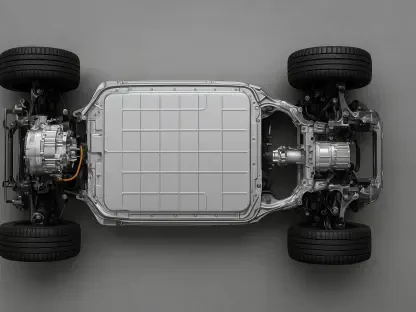
A defining characteristic of this service model is its inherent modularity, which provides partners with the flexibility to select complete vehicle programs or specific modular packages based on their unique strategic goals. Whether a client requires a bespoke electric vehicle architecture tailored to a specific market segment or a specialized powertrain system to upgrade an existing lineup, the institute provides scalable engineering solutions that fit the exact requirements of the project. This turnkey methodology is a game-changer for diverse industry players, as it allows them to access high-tech resources without making the massive upfront investments typically associated with building their own independent infrastructure from scratch. In a market where speed is often the most valuable currency, the ability to “plug into” a pre-existing R&D powerhouse allows companies to bypass years of foundational research and move directly into the prototyping and production phases. This flexibility is particularly attractive for non-traditional entrants, such as technology firms or logistics companies, who possess strong software or operational capabilities but lack the deep hardware engineering expertise required for vehicle manufacturing.
In addition to modular hardware, these turnkey solutions extend into the digital realm, offering pre-integrated software stacks that control everything from battery efficiency to autonomous driving features. This approach recognizes that the value of a modern vehicle is increasingly found in its code rather than just its chassis. By providing a stable, high-performance software foundation, the institute enables its partners to deploy over-the-air updates and advanced driver-assistance systems with minimal local development. This scalability ensures that a small startup can launch a premium electric sedan with the same level of technological sophistication as a major global conglomerate. The economic impact of this model is significant, as it effectively democratizes access to cutting-edge automotive technology, creating a more level playing field where innovation is driven by creative application rather than just the size of an organization’s research budget. As the industry continues to move toward more standardized platforms, this modular turnkey approach is likely to become the preferred method for rapid product deployment across all segments of the mobility market.
Operational Management and Global Expansion
Advanced Engineering and Validation Infrastructure
At the core of the value proposition are the extensive engineering resources and advanced testing facilities housed at the Hangzhou Bay hub, which currently employs nearly 20,000 specialized engineers. This concentration of talent is supported by state-of-the-art infrastructure, including high-speed wind tunnels and dedicated powertrain laboratories designed to verify new technologies under the most rigorous environmental and mechanical conditions. Such a high-density environment of expertise ensures that every project, regardless of its size or scope, meets stringent international safety and performance standards. The facility’s ability to conduct high-fidelity simulations alongside physical crash tests and durability runs allows for a continuous feedback loop that accelerates the development of innovations in autonomous driving and high-voltage battery systems. For partners, this means that the vehicles developed through the institute are not just theoretical concepts but are battle-tested machines capable of performing reliably in diverse climates and demanding road conditions across the globe.
Beyond the physical hardware, the infrastructure is optimized for the integration of China’s mature and highly efficient automotive supply chain into every project. This ecosystem is characterized by its high-speed delivery cycles and cost-effective manufacturing processes, which provide a significant competitive advantage for international partners. By utilizing these local supply chains, the institute can dramatically shorten development timelines and improve production efficiency in a way that is difficult to replicate in other regions. This integration is a vital asset for global manufacturers who need to balance the high costs of innovation with the necessity of maintaining competitive price points for consumers. The ability to source high-quality components locally, combined with the institute’s engineering oversight, ensures that the final product benefits from both global design standards and local manufacturing agility. This synergy between advanced engineering and a robust supply chain creates a powerful value proposition that allows partners to scale their operations rapidly while maintaining the highest levels of quality control and technological integrity.
The Philosophy: Mutual Growth and Accountability
The institute operates on a “two-way street” philosophy, where Geely and its various partners engage in a continuous and transparent exchange of operational knowledge and technical expertise. While Geely contributes rapid technological iteration and industrial scale, global partners often bring deep experience in navigating strict regulatory frameworks and understanding the nuances of local market preferences. This collaborative dynamic ensures that both parties refine their quality standards while developing next-generation mobility solutions that are tailored for diverse global regions. This exchange is not merely transactional; it is a strategic partnership where the goal is mutual improvement and long-term industry growth. By working closely with international firms, the institute gains insights into global consumer trends and regulatory shifts, which in turn informs its own internal development processes. This reciprocal relationship helps to break down the traditional silos of the automotive industry, fostering a more interconnected environment where the best ideas can be scaled and implemented across multiple platforms and brands.
To maintain high standards across such a vast and varied portfolio of projects, the institute utilizes a lean operational model focused on single-point accountability. Each collaboration is guided by clear leadership and supported by advanced IT systems that connect geographically dispersed teams in real time, ensuring that communication remains fluid and transparent. This structure allows the institute to tap into the wider R&D network when necessary, ensuring that projects remain highly efficient and that engineering standards stay uniform regardless of where the work is performed. This rigorous management style prevents the bureaucratic drift that often slows down large-scale international collaborations, allowing for the rapid decision-making required in today’s fast-paced market. By prioritizing accountability and lean processes, the institute has created a blueprint for how complex, multi-stakeholder engineering projects should be managed in the modern era. This operational rigor ensures that every partner receives the attention and technical precision required to make their specific vehicle program a commercial success on the global stage.
Navigating International Regulatory Landscapes
Successfully expanding into established markets like Europe and North America required a high degree of adaptability to meet varying safety, environmental, and data privacy laws. The institute managed these challenges by tailoring its development cycles to incorporate specific local requirements and partner feedback from the very beginning of the design process. This flexibility made it a particularly attractive collaborator for legacy manufacturers who sought to modernize their offerings without bearing the full financial burden of independent research. By aligning its engineering outputs with international standards such as Euro NCAP and local data protection regulations, the institute ensured that its collaborative projects were ready for immediate deployment in the world’s most demanding markets. This proactive approach to regulatory compliance effectively removed one of the largest barriers to entry for new vehicle programs, allowing partners to move forward with their commercialization plans with confidence and clarity regarding legal and safety obligations.
The growth of the institute highlighted a new era in the automotive industry where collaboration was prioritized over traditional isolation to meet the demands of a globalized economy. By offering comprehensive development packages and sharing its technological advancements, the organization established a new standard for how the global industry operated and thrived. This model did not just accelerate the shift toward sustainable mobility; it created a functional blueprint for a more interconnected and efficient future for automotive manufacturing. Stakeholders across the industry recognized that the siloed research methods of the previous decade were no longer sustainable in a market defined by rapid software iteration and tightening margins. By adopting the collaborative model, the automotive world successfully shortened development cycles and reduced redundant R&D spending across several major platforms. Future considerations revolved around the continued harmonization of global safety standards and the expansion of the turnkey model to include specialized commercial sectors, ensuring that the transition to intelligent mobility remained economically viable for all participants.