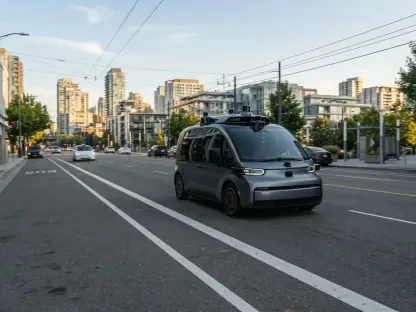

The partnership creates a Best of Breed model, combining Toyota’s world-class manufacturing reliability with Waymo’s industry-leading autonomous software and sensor suite. This strategic alliance represents a fundamental pivot from the experimental era of self-driving vehicles toward a future of industrial-scale production. By leveraging the specific strengths of both an automotive titan and a software pioneer, the initiative aims to bridge the gap between pilot programs and widespread commercial adoption. In the current landscape of 2026, the collaboration focuses on the bZ4X electric SUV, a vehicle that has already proven its mettle in consumer markets and now prepares to undergo a sophisticated transformation. The implications for the global mobility sector are profound, as this move suggests that the race for autonomy will not be won by software alone, but by the seamless integration of that software into high-quality, mass-produced hardware. As the industry watches closely, the partnership prepares to test these vehicles in the unique urban environments of Japan, setting the stage for a new standard in autonomous transport. This effort is not merely a technical exercise but a logistical masterclass in how two distinct corporate cultures can align toward a singular goal of redefining urban movement.
A New Manufacturing Standard at the Takaoka Plant
Transitioning to Factory-Line Integration
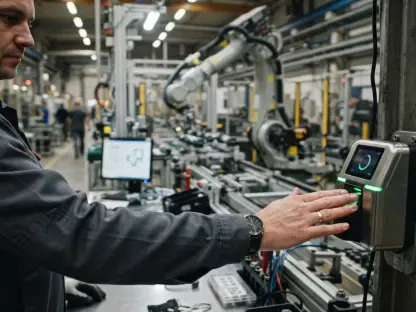
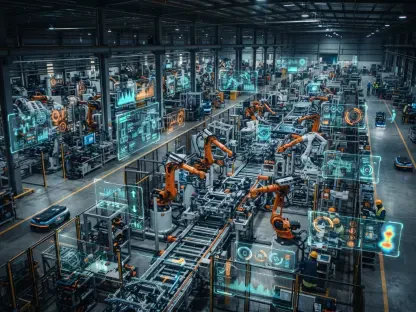
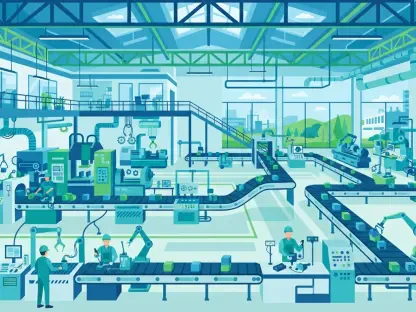
The decision to utilize Toyota’s Takaoka plant in Aichi Prefecture is a strategic masterstroke for the production of autonomous fleets, representing a significant departure from previous industry practices. As the existing assembly site for the standard bZ4X, the plant provides a streamlined environment where autonomous hardware can be woven into the vehicle’s DNA from the very beginning. This factory-first approach allows for reinforced structural mounting points and integrated cooling systems for high-powered computers, which are notoriously difficult to achieve through traditional aftermarket modifications. Historically, the industry relied on retrofitting existing vehicles, a process that involved dismantling parts of the interior and drilling into the chassis to install sensors. By moving this work to the primary assembly line, Toyota ensures that every component is installed with the same robotic precision as the engine or the drivetrain. This transition effectively eliminates the “one-off” nature of prototype vehicles, paving the way for a consistent and reliable manufacturing process that can be scaled to meet global demand without the bottlenecks associated with manual labor.
Standardizing the assembly process through robotic integration significantly reduces the likelihood of human error during the critical sensor calibration phase. By treating autonomous components as native parts of the vehicle rather than external add-ons, Toyota can maintain high quality control standards across the entire fleet. This method is viewed by industry experts as the only viable pathway to making robotaxis commercially profitable at a global scale. When sensors are integrated during the build process, the electrical architecture can be optimized to handle the massive data throughput required for real-time processing. This prevents the common issues of overheating and electrical interference that often plague retrofitted autonomous systems. Furthermore, the aesthetic integration of lidars and cameras into the bodywork of the bZ4X ensures that the vehicle retains its aerodynamic properties, which is essential for maintaining the range of an electric SUV. The Takaoka plant’s role in this initiative underscores Toyota’s commitment to modernizing its production capabilities to accommodate the complex requirements of next-generation mobility services while maintaining the efficiency for which the company is world-renowned.
Enhancing Reliability Through Electric Architecture
The Toyota bZ4X was selected specifically for its robust battery-electric vehicle architecture, which is essential for the high energy demands of a self-driving computer stack. Robotaxis are expected to operate for extended hours, often staying on the road for twenty or more hours per day, necessitating a platform that can handle constant power draws without compromising safety or performance. Waymo leadership has identified the bZ4X as the ideal platform to move autonomous technology from small-scale pilots to large-scale commercial operations. The thermal management system of the bZ4X is particularly well-suited for this task, as it can be expanded to cool the high-performance processors that serve as the “brain” of the autonomous system. Unlike internal combustion engine vehicles, which require complex modifications to provide sufficient auxiliary power, the high-voltage system of the bZ4X provides a steady and reliable energy source for the entire sensor suite. This level of hardware synergy ensures that the autonomous system remains operational even under heavy computational loads or in extreme weather conditions, which is a critical requirement for a public transportation service.
Furthermore, the dedicated electric platform allows for unique interior customizations that prioritize passenger comfort over traditional driver ergonomics. The vehicles used in this program will feature automatic doors and power liftgates to facilitate hands-free entry and exit, reflecting the needs of a modern ride-hailing environment. Interior modifications, such as increased rear legroom and the use of premium, durable cabin materials, are specifically designed to cater to the needs of passengers rather than private owners. By removing the traditional driver-centric dashboard elements, the designers have created a spacious “third space” where passengers can work or relax during their journey. This focus on the passenger experience is a key differentiator for the Toyota-Waymo partnership, as it recognizes that the value of autonomous transport lies as much in the quality of the ride as it does in the technology that enables it. The bZ4X’s quiet electric powertrain further enhances this experience, providing a serene environment that contrasts with the noisy urban streets of Japan’s major metropolitan areas.
Strategic Market Expansion and Sequencing
Targeting Right-Hand Drive Markets
A unique aspect of the Toyota-Waymo partnership is its initial focus on right-hand-drive markets, starting with Japan and followed by the United Kingdom. Most autonomous vehicle development has historically prioritized left-hand-drive regions like the United States and China, leaving a significant portion of the global market underserved. By mastering the hardware configurations and software logic required for right-hand-drive vehicles, the partnership aims to capture a dominant position in these critical regions. This strategy involves more than just swapping the steering wheel; it requires a complete recalibration of how the vehicle perceives traffic flow, intersections, and pedestrian behavior. Navigating a right-hand-drive environment involves unique challenges, such as different blind spots and specific turning patterns that the autonomous software must learn to manage with absolute precision. By addressing these challenges early in the development cycle, Toyota and Waymo are building a versatile platform that can be deployed across a wider range of international markets with minimal additional engineering effort.
This sequencing allows the companies to establish a dominant presence in regions with complex urban environments that have been largely ignored by the first wave of autonomous testing. Japan’s dense, narrow streets and unique traffic patterns offer a challenging learning ground that differs significantly from the wide, grid-based layouts of many American cities. Success in these environments will provide a proven blueprint that can be adapted for other complex metropolitan areas worldwide, from London to Sydney. The partnership recognizes that the ability to operate in diverse geographic and regulatory landscapes is a prerequisite for global leadership in the autonomous space. Furthermore, targeting right-hand-drive markets first provides a strategic buffer against competitors who are currently focused on the crowded left-hand-drive landscape of North America. This foresight allows the Toyota-Waymo alliance to build a robust data set and operational experience in a segment where they face fewer direct rivals, ultimately strengthening their position when they eventually expand back into other global regions.
Regulatory and Social Integration in Japan
The choice of Japan as a launch site is also a strategic move to align with local regulatory frameworks and benefit from the country’s proactive approach to future mobility. The Japanese government has shown consistent support for domestic technology champions, and a Toyota-backed program is likely to receive favorable treatment regarding Level 4 autonomy permits and infrastructure integration. Testing on home soil allows Toyota to work closely with local authorities to shape the future of autonomous transport legislation, ensuring that safety standards and operational protocols are both rigorous and practical. This collaborative relationship between the private sector and the government is essential for clearing the legal hurdles that often slow down the deployment of self-driving technology. By establishing a clear regulatory path in Japan, the partnership can create a gold standard for safety and oversight that other nations may choose to follow as they update their own laws to accommodate autonomous fleets.
Public perception plays a vital role in the adoption of self-driving technology, and the bZ4X offers a familiar, approachable aesthetic that helps demystify the technology for the general public. Unlike specialized “pods” or experimental vehicles that may look alien to urban residents, the bZ4X is a recognizable SUV that blends seamlessly into the existing traffic landscape. This familiarity is expected to lower the psychological barrier for first-time riders, fostering greater acceptance of autonomous mobility services in residential and commercial areas. The partnership plans to engage with local communities through transparent communication and public demonstrations, highlighting the safety benefits of a system that never gets tired or distracted. By positioning the autonomous bZ4X as a safe, reliable, and comfortable alternative to traditional transport, Toyota and Waymo are laying the groundwork for a cultural shift in how people perceive the role of the driver. Social integration is not just about the technology itself; it is about building a relationship of trust with the people who will ultimately use the service to navigate their daily lives.
Technical Specifications and the Waymo Driver
Implementing Sixth-Generation Technology
While specific hardware versions are often kept under wraps during the early stages of development, the 2027 fleet is expected to utilize Waymo’s “Sixth-Generation Driver.” This system employs a sophisticated multimodal sensor suite designed to provide 360-degree coverage and multiple layers of redundancy. By integrating these sensors at the factory level, Toyota ensures that the vehicle’s aerodynamics and safety ratings remain uncompromised despite the significant addition of technology. The Sixth-Generation Driver represents a culmination of years of data collection and machine learning, offering a level of environmental awareness that far exceeds previous iterations. The placement of sensors on the bZ4X has been meticulously engineered to eliminate blind spots and provide a clear line of sight even in crowded urban environments. This hardware-software synergy allows the vehicle to detect and track hundreds of objects simultaneously, from moving vehicles and pedestrians to stationary obstacles and road debris, ensuring a safe path forward in even the most unpredictable scenarios.
The sensor array includes high-resolution cameras for visual recognition and imaging radar that can penetrate heavy rain and fog—weather conditions that are common in both Japan and the United Kingdom. Additionally, advanced lidar technology provides precise three-dimensional mapping of the vehicle’s surroundings, allowing it to determine distances with millimeter accuracy. This combination of visual, radar, and lidar data allows the “Driver” to navigate complex urban scenarios with a level of safety that meets or exceeds human performance. The system is designed to operate reliably in a variety of lighting conditions, from the glare of the midday sun to the deep shadows of narrow city alleys. By using a diverse set of sensors, the autonomous system can verify its perceptions through multiple channels, significantly reducing the risk of “ghost” detections or missed objects. This technical rigor is essential for achieving Level 4 autonomy, where the vehicle must be capable of handling all aspects of driving without human intervention in defined geographic areas, providing a truly “driverless” experience for the end-user.
Software and Hardware Synthesis
The partnership between Toyota and Waymo represents a “Best of Breed” approach, where each company focuses on its core competency to create a product that is greater than the sum of its parts. Waymo provides the sophisticated software “brain” and the advanced sensor hardware, while Toyota provides the reliable “body” and the high-efficiency manufacturing “birthplace.” This collaboration allows Waymo to scale its technology without the massive capital expenditure and logistical complexity required to become a full-scale car manufacturer. Instead of worrying about stamping steel or managing global supply chains for tires and glass, Waymo can concentrate on refining its autonomous algorithms and expanding its service footprint. This separation of duties ensures that each aspect of the final product—from the software code to the suspension tuning—is handled by the leading experts in that specific field. It is a pragmatic response to the immense challenges of the autonomous era, recognizing that no single company can master every facet of this complex technology alone.
Conversely, Toyota gains immediate access to a world-class autonomous stack without having to develop the software entirely from scratch, a process that would take years and billions of dollars in research and development. This synergy is a direct challenge to the vertical integration model used by some competitors, who attempt to build everything in-house. By delegating the software complexity to Waymo, Toyota can focus on optimizing the vehicle platform for high-utilization fleet service and ensuring the long-term durability of the hardware. This allows for a faster time-to-market and ensures that the final product is built on a foundation of proven technology. The synthesis also extends to data sharing and operational learning, as Toyota’s manufacturing data can be used to improve the hardware integration, while Waymo’s driving data can inform future vehicle designs. This virtuous cycle of innovation positions both companies at the forefront of the industry, creating a formidable alliance that is well-equipped to navigate the technical and commercial hurdles of the coming decade.
Competitive Landscape and Future Projections
Vertical Integration versus Collaborative Licensing
The Toyota-Waymo deal highlights a fundamental split in the industry, particularly when compared to the vertical integration models championed by companies like Tesla. While some manufacturers rely on a “Vision-only” approach and attempt to control every aspect of the production and software stack to lower costs, the Waymo-Toyota model prioritizes data-rich sensor suites and deep manufacturing partnerships. This collaborative model is seen as a more conservative but potentially safer route toward widespread public trust and regulatory approval. By using a variety of sensors including lidar and radar, the Toyota-Waymo fleet offers a level of redundancy that vision-only systems currently lack, which could be a decisive factor for regulators concerned with safety in adverse weather or complex lighting. The debate between these two philosophies will likely define the next several years of the autonomous industry, as each approach seeks to prove its viability in real-world commercial operations and achieve the necessary scale for profitability.
In Japan, the partnership will face competition from domestic initiatives like Nissan’s collaboration with autonomous startups and the open-source Autoware project led by Tier IV. However, the sheer scale of Toyota’s manufacturing capacity and Waymo’s accumulated autonomous mileage creates a formidable barrier to entry for smaller players. This heavy-hitting duo is positioned to set the standard for how autonomous fleets are built and deployed globally, leveraging their combined resources to outpace more localized efforts. The presence of a Toyota-backed program also serves as a strong signal to the Japanese market that autonomous technology is ready for prime time, potentially accelerating the adoption of similar services across the country. As the competition intensifies, the ability to produce high-quality vehicles at scale while maintaining a cutting-edge software stack will be the primary differentiator. The Toyota-Waymo alliance effectively covers both bases, making it one of the most significant forces in the global race toward full autonomy and redefining the competitive boundaries of the automotive and tech sectors alike.
Looking Toward a Global Autonomous Future
While the 2027 start date is focused on testing and validation, the long-term goal of this initiative is a full-scale commercial rollout that will reshape urban transport. The industry expects a “validation-first” phase where vehicles operate with safety drivers to collect critical data and ensure the system can handle the nuances of local traffic before transitioning to fully driverless service. This gradual approach was successful for Waymo in its previous deployments in US cities and is likely to be repeated in Japan to ensure the highest safety standards are met. Once the right-hand-drive model is perfected in Japan and the United Kingdom, a pivot back to left-hand-drive markets using factory-integrated Toyotas is highly probable, offering a more durable and cost-effective alternative to the modified vehicles currently in use. This could lead to a future where a significant portion of urban mobility is provided by autonomous Toyota fleets, operating as a quiet, efficient, and ubiquitous part of the city’s infrastructure.
When looking back at the strategic negotiations that led to this point, the industry recognized that the partnership between Toyota and Waymo successfully addressed the primary bottlenecks that previously stalled autonomous progress. The collaborative efforts in 2026 established a framework for hardware-software synthesis that other manufacturers began to emulate to remain competitive. Moving forward, the focus must shift toward the standardization of autonomous safety protocols across diverse metropolitan areas to ensure seamless cross-border operations. Stakeholders should prioritize the development of localized digital infrastructure, such as high-definition mapping and smart traffic signaling, to complement the capabilities of the Sixth-Generation Driver. As these vehicles begin their validation phase in 2027, the emphasis will naturally transition toward public education and the cultivation of trust among urban commuters. By addressing the psychological barriers to rider adoption through consistent performance and transparent safety data, the industry can ensure that the technological achievements at the Takaoka plant translate into a viable, long-term solution for global urban mobility.