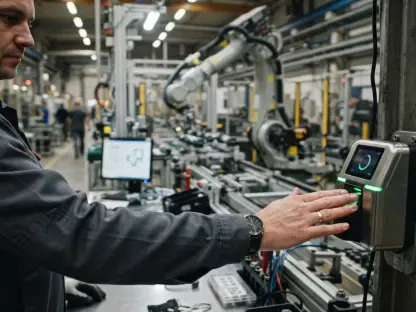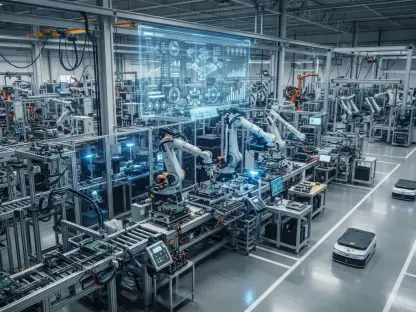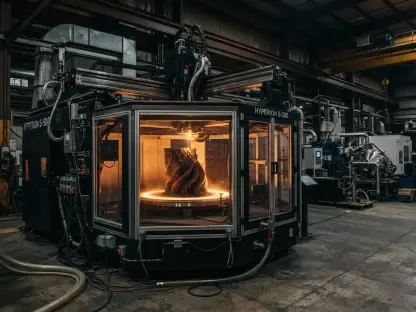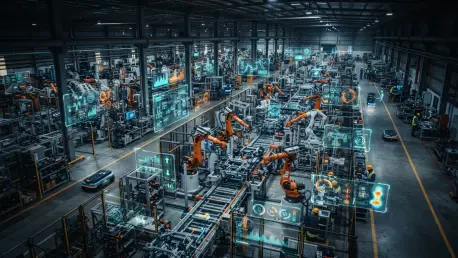

The integration of artificial intelligence into the manufacturing stack requires a move toward software-defined edges that reduce latency by processing data closer to the source. For over two decades, the ISA-95 automation pyramid served as the structural blueprint for industrial software, organizing a rigid progression from shop-floor sensors up to enterprise resource planning systems. However, the rapid integration of advanced robotics and generative models has rendered this hierarchical, linear approach insufficient for the complexities of modern autonomous agency. This fundamental transformation was a central theme at the IMTS exhibition, where the industry signaled a move toward a dynamic, eight-layer technology stack designed to handle intricate data relationships. Unlike the traditional pyramid, which often isolated operational data in functional silos, this emerging framework emphasizes a unified flow of information. Manufacturers are now re-evaluating their legacy infrastructures to accommodate a model that thrives on real-time responsiveness.
Industrial Architecture: From Hierarchical Silos to Data Contextualization
The new industrial AI stack redefines the manufacturing environment by breaking it down into eight distinct layers, starting with physical processes and extending through the software-defined edge, Industrial DataOps, and specialized systems of record. At the heart of this evolution lies the critical layer of knowledge graphs and ontologies, which provide the necessary context to make sense of disparate data points. Rather than funneling every byte of information into a centralized cloud repository, the modern architecture promotes a decentralized approach where operational data is queried exactly where it resides. This structural pivot allows for more agile decision-making, as it eliminates the bottlenecks traditionally associated with moving massive datasets across network layers. By prioritizing data quality through robust DataOps frameworks, companies can ensure that the underlying information feeding their models is both accurate and timely, reflecting the actual state of the plant floor.
A primary catalyst for this architectural shift is the industry-wide move away from disorganized data lakes toward structured knowledge graphs that preserve essential operational relationships. In previous years, major cloud providers encouraged factories to store vast amounts of raw telemetry in centralized hubs, but this method often stripped the data of its vital context. Without understanding the relationship between a specific motor’s heat signature and its current maintenance cycle or production schedule, AI tools fail to provide truly actionable insights. Industry leaders such as AWS and MachineMetrics are now championing an approach that contextualizes data in situ. By utilizing structured ontologies, manufacturers can bridge the gap between fragmented systems typical of older facilities, where quality control logs and production tools exist in silos. This shared model enables AI to perceive the factory environment as a cohesive system rather than a series of numbers.
Autonomous Agency: Implementing Robust Integration Frameworks
The emergence of the Model Context Protocol, or MCP, represents a significant milestone in how artificial intelligence interacts with legacy industrial software. These protocol servers act as an essential bridge, allowing sophisticated AI agents to query live operational data and execute specific actions within the plant ecosystem. Major automation players, including PTC and Rockwell Automation, have already begun introducing MCP servers to provide deeper integration between digital models and physical assets. This software evolution is being matched by significant advancements in hardware through the Model Hardware Standard, which aims to allow AI to control equipment like robotic arms without the need for bespoke programming. However, this increased level of agency introduces complex questions regarding safety protocols. As AI agents gain the power to adjust machine speeds or move physical hardware, manufacturers must implement robust permission frameworks to ensure that autonomous actions do not compromise facility safety.
The transition from the rigid ISA-95 pyramid to a multi-layered AI stack marked a turning point in industrial strategy, requiring leaders to rethink their entire data infrastructure. Organizations that succeeded in this environment prioritized the development of robust DataOps and invested heavily in contextualizing their legacy information through knowledge graphs. It became clear that simply collecting data was insufficient; the real value was found in the ability of AI agents to interact with physical systems safely and efficiently. Manufacturers moved away from centralized cloud silos in favor of software-defined edges that maintained operational continuity during network disruptions. The strategic roadmap for many involved standardizing hardware interfaces to allow for rapid scaling of autonomous systems across global facilities. Ultimately, the industry learned that true digital transformation was not about replacing the human element but about providing operators with highly intelligent tools that mastered factory complexity.