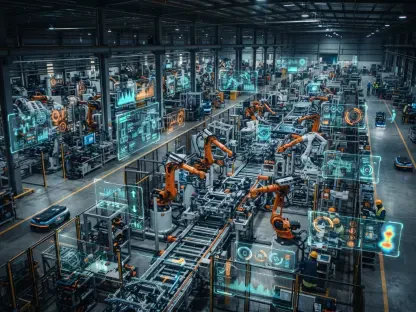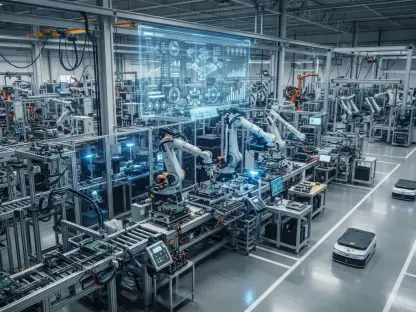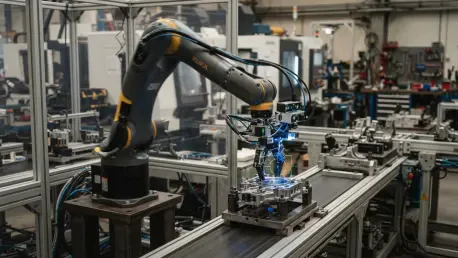

By calculating precise gripping points under fluctuating lighting conditions, modern AI algorithms can now distinguish complex objects from their industrial backgrounds. Historically, manufacturers struggled with vision systems that required perfectly controlled environments and extensive manual programming. The introduction of KUKA’s iiQKA.AI Vision represents a significant departure from these rigid constraints by offering a fully integrated solution for image processing. This system specifically targets the high barrier to entry that has long prevented smaller facilities from adopting advanced robotic guidance. By combining 2D and 3D vision capabilities into a single package, the technology allows for seamless bin picking, assembly, and quality control tasks. Instead of managing disparate hardware components and complex software bridges, operators now interact with a cohesive ecosystem that simplifies initial setup and ensures the robot remains responsive to the dynamic shifts common in high-volume production lines.
Integrated Solutions: The Path to Modern Industry
A fundamental shift in this technological implementation involves the move toward decentralized processing power. By utilizing the NVIDIA Jetson Orin module, the system handles AI inference and complex image processing directly within the robot controller via the dedicated AI Extension Platform. This localized architecture eliminates the latency issues typically associated with sending massive data packets to a remote cloud server or a secondary high-performance PC. Beyond the speed advantages, this approach prioritizes data security by ensuring that sensitive industrial images never leave the internal network of the factory floor. The reduction in physical hardware also contributes to a lower total cost of ownership, as manufacturers no longer need to maintain separate computer towers or specialized cooling for external processing units. This streamlined hardware setup provides a robust foundation for real-time decision-making, allowing the robot to adjust its movement in milliseconds without external interference.
Edge Computing and Localized Inference
The software architecture accompanying this vision system plays a vital role in democratizing robotic automation. Through the iiQWorks engineering suite, the complexity of machine vision is abstracted into an intuitive graphical interface that utilizes drag-and-drop tools and guided workflows. This environment allows users to configure 3D point clouds and define object positions without requiring a doctorate in computer science or extensive coding knowledge. When a new component is introduced to the production line, the software enables quick recalibration through its AI algorithms, which learn to recognize the part’s geometry regardless of its orientation. Once the system identifies the target, the resulting data is instantly transmitted to the controller to guide movement. This integration ensures that the relationship between the camera’s sight and the robot’s reach is perfectly synchronized. This cohesion allowed for rapid deployment in dynamic warehouse environments where traditional systems often failed to adapt.
Engineering Simplicity and System Scalability
The evolution of integrated vision systems provided a clear roadmap for the digital transformation of the industrial sector. By moving away from siloed components, companies successfully reduced the complexity that once hindered the adoption of intelligent robotics. The transition toward edge-based AI confirmed that localized processing was the most viable path for maintaining security and speed in high-stakes manufacturing environments. Moving forward, the focus shifted toward expanding these capabilities into even more collaborative settings where robots and humans share workspaces with greater safety. Those who adopted these unified platforms early found themselves better positioned to integrate subsequent advancements in autonomous path planning. Industrial leaders recognized that simplifying the user experience was the ultimate catalyst for widespread technological progress across the global supply chain, effectively proving that intuitive design and high-performance AI were the keys to long-term operational resilience.