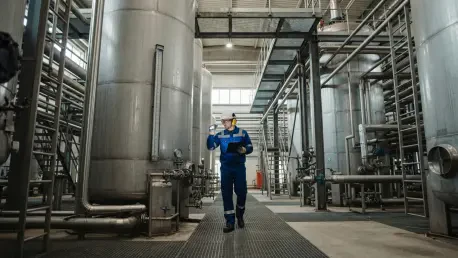

The global chemical sector is navigating a period of profound structural change, where the traditional dominance of petroleum-derived precursors is being challenged by high-performance, renewable alternatives. This evolution is particularly evident in the synthesis of epichlorohydrin, an essential building block for epoxy resins, which has historically relied on propylene sourced from crude oil refining. Today, the industry is pivoting toward a circular model that utilizes bio-based glycerol, a byproduct of the burgeoning biodiesel and oleochemical sectors, to create a more resilient supply chain. The automotive industry’s shift toward electric vehicles is increasing the demand for bio-based epoxy systems that offer both high performance and environmental sustainability. This specific “drop-in” chemical replacement is molecularly identical to its synthetic counterpart, allowing for seamless integration into existing manufacturing infrastructure without the prohibitive costs of equipment retooling. As of 2025, the market for this renewable intermediate was valued at approximately USD 793 million, and its current trajectory reflects a global consensus that decarbonization is a fundamental requirement for market longevity and regulatory compliance.
Market Projections and Economic Growth
Future Financial Outlook: Revenue and Growth Targets
The financial landscape for renewable epichlorohydrin is exhibiting a robust and consistent growth trajectory, with industry forecasts suggesting a rise from USD 862.55 million in 2026 to over USD 1,689.88 million by 2034. This expansion represents a compound annual growth rate of approximately 8.77%, a figure that outpaces many traditional petrochemical segments. This upward trend is primarily driven by the increasing global availability of crude glycerin and a surging demand for green building materials that meet stringent environmental certifications. As urban centers expand and the need for sustainable infrastructure intensifies, the adoption of bio-based resins in coatings and structural adhesives has moved from a niche preference to a mainstream industrial standard. The stability of this growth is further reinforced by the diversification of feedstock sources, which mitigates the risks associated with the volatile pricing of petroleum-based propylene, providing a more predictable cost structure for long-term downstream contracts.
Future Financial Outlook: Expansion Factors
Beyond simple market volume, the current expansion is characterized by a significant qualitative shift in how these chemicals are valued within the broader economy. There is a noticeable transition toward higher value-added applications, where the purity and environmental pedigree of the chemical intermediates justify a premium price point. This financial health is bolstered by large-scale capital investments from major chemical conglomerates, particularly in the North American and Asia-Pacific regions, signaling a deep-seated confidence in the future of bio-based chemistry. Institutional investors are also showing a heightened interest in the sector, as ESG mandates require portfolios to include companies that actively reduce their reliance on fossil fuels. This influx of capital is facilitating the construction of new, high-capacity production facilities that utilize advanced hydrochlorination processes, effectively lowering the unit cost of production through economies of scale and ensuring that the market can meet the projected doubling of demand over the next decade.
Market Value and Investment: Strategic Asset Allocation
Strategic investments are currently reshaping the competitive landscape of the renewable chemical industry, with a focus on integrating production units within existing industrial ecosystems. By co-locating renewable epichlorohydrin plants with biodiesel refineries, manufacturers can achieve significant logistical efficiencies and minimize the carbon footprint associated with feedstock transportation. This vertical integration is a critical factor in maintaining cost-competitiveness against traditional synthetic routes. Furthermore, market value is being driven higher by the emergence of specialized, high-purity grades required for the electronics and pharmaceutical sectors. These industries demand materials with extremely low levels of residual impurities, a requirement that modern bio-based production methods are increasingly capable of meeting. The ability to provide a sustainable product that does not compromise technical specifications is attracting significant interest from original equipment manufacturers in the consumer electronics space.
Market Value and Investment: Capital Expenditure Trends
The scale of current capital expenditure projects indicates that the industry is preparing for a decade of sustained high demand rather than a temporary surge. Leading chemical firms are dedicating billions of dollars to transition their portfolios, focusing on proprietary catalyst technologies that improve the yield of epichlorohydrin from glycerol. These investments are not limited to production capacity alone but also extend to the development of robust global distribution networks that can guarantee supply chain security for multinational clients. In North America, specifically, the presence of strategic partnerships between chemical distributors and overseas producers is streamlining the availability of these materials for local manufacturers. This institutional support helps stabilize the market, making it less susceptible to localized supply shocks. As these investments mature, the resulting technological refinements are expected to further reduce the energy intensity of the production process, reinforcing the economic and environmental value proposition of the renewable market.
Core Drivers of Market Demand
Decarbonization of Value Chains: Industrial Sustainability
The quest to reduce Scope 3 emissions is currently the most powerful catalyst driving the adoption of renewable epichlorohydrin across diverse industrial sectors. Major corporations in the aerospace, automotive, and construction industries are under immense pressure from both regulators and shareholders to demonstrate a clear path toward net-zero operations. Because epoxy resins represent a significant portion of the material weight in modern composites and coatings, switching to a bio-based intermediate like renewable ECH offers an immediate and measurable reduction in the overall carbon footprint of the final product. Data suggest that these renewable versions can offer up to a 67% reduction in greenhouse gas emissions compared to traditional petroleum-based alternatives. This makes them an essential component for any company striving to meet ambitious corporate sustainability goals without sacrificing the structural integrity or performance characteristics of its products.
Decarbonization of Value Chains: Corporate Responsibility
Beyond mere compliance, the adoption of renewable chemicals is becoming a core component of brand identity for many leading global firms. Manufacturers are increasingly marketing the “green” credentials of their products to capture the growing segment of environmentally conscious consumers. This trend is particularly evident in the high-end architectural coatings market, where the use of bio-based resins is presented as a premium feature that improves indoor air quality and reduces the life-cycle environmental impact of buildings. The transparency provided by life-cycle assessments and environmental product declarations is enabling procurement officers to make informed decisions that favor sustainable chemistry. As more companies integrate these metrics into their supplier evaluation criteria, the demand for renewable epichlorohydrin continues to strengthen, creating a virtuous cycle where increased demand drives further innovation and cost reductions in bio-based manufacturing processes.
Renewable Energy and EVs: Infrastructure Integration
The global transition toward a cleaner energy grid is intrinsically linked to the demand for high-performance epoxy resins, which in turn fuels the renewable epichlorohydrin market. Wind energy, in particular, relies heavily on epoxy-based composites to manufacture the massive, lightweight turbine blades necessary for efficient power generation. By utilizing renewable ECH in these resins, the wind industry is able to align its upstream supply chain with its core mission of environmental protection. This alignment is not just symbolic; it reduces the “carbon debt” of new wind farm projects, allowing them to achieve carbon neutrality faster. As offshore wind installations grow in scale and move into deeper waters, the need for resins that can withstand harsh marine environments while maintaining a low environmental impact will only increase, cementing the role of bio-based intermediates in the future of renewable energy infrastructure.
Renewable Energy and EVs: Automotive Innovation
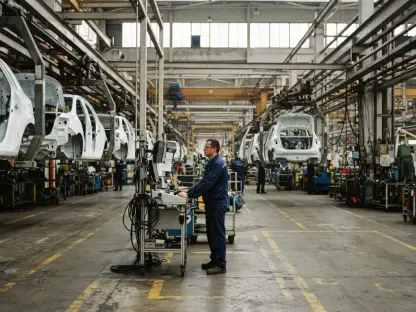
In the automotive sector, the rapid proliferation of electric vehicles is creating unique technical challenges that biobased epoxy systems are ideally suited to address. Modern electric vehicle designs require advanced materials for battery enclosures, thermal management systems, and high-density circuit board coatings. These applications demand exceptional electrical insulation properties and fire resistance, alongside traditional requirements for strength and durability. Biobased epoxies, derived from renewable epichlorohydrin, are proving highly effective in these roles, offering the performance of traditional systems with the added benefit of a lower environmental footprint. Furthermore, as automakers look to reduce total vehicle weight to extend battery range, the use of lightweight biocomposites is becoming increasingly common. This synergy between the electric vehicle revolution and sustainable chemistry is a major engine for growth, ensuring that renewable intermediates remain at the forefront of automotive innovation.
Regulatory Incentives: Policy and Frameworks
Government intervention is playing a decisive role in accelerating the transition toward renewable chemical intermediates through a combination of mandates and financial support. In the United States, programs such as the Department of Energy’s ASPECT initiative are specifically designed to fund the development of chemical technologies that utilize domestic biomass and waste feedstocks. These policies are intended to reduce the nation’s reliance on imported petroleum while fostering a more resilient and sustainable domestic manufacturing base. Similar initiatives in other jurisdictions, including tax credits for bio-based production and grants for carbon-capture integration, are lowering financial barriers to entry for new market participants. This level of government support provides a safety net for companies during the capital-intensive phase of building new facilities, encouraging long-term planning and technological risk-taking that would otherwise be difficult in a purely market-driven environment.
Regulatory Incentives: Global Compliance Standards
Stricter global environmental regulations are forcing a reevaluation of traditional chemical processes and the materials they produce. Emerging laws focused on the circular economy and the reduction of plastic waste are pushing manufacturers to consider the end-of-life impact of their products, which often leads them back to bio-based and recyclable materials. In many regions, public procurement policies now explicitly favor products with high renewable content, creating a guaranteed market for sustainable chemicals. These regulatory frameworks provide the necessary predictability for large-scale industrial shifts, as they signal to the market that the transition away from fossil fuels is a permanent and non-negotiable policy objective. As compliance costs for high-carbon products continue to rise, the economic incentive to switch to renewable epichlorohydrin becomes even more compelling, driving widespread adoption across the chemical value chain.
Technical and Economic Obstacles
Capital and Infrastructure: Investment Challenges
Despite the clear environmental and strategic advantages, the renewable epichlorohydrin market faces significant hurdles related to the sheer scale of investment required for commercial production. Establishing a state-of-the-art glycerol-to-ECH plant is a massive undertaking that involves complex reaction engineering, high-precision separation technologies, and sophisticated purification systems. These facilities are capital-intensive, and the high interest rates currently seen in some global markets can make financing such large-scale projects a daunting task. For smaller players or companies in emerging economies, upfront costs can be a prohibitive barrier to entry, potentially leading to a market dominated only by the largest conglomerates. This concentration of production capacity could limit competition and slow the overall pace of innovation if not addressed through creative financing models or continued government support.
Capital and Infrastructure: Technical Complexity
The technical demands of converting crude glycerol into high-purity epichlorohydrin also present ongoing operational challenges. Unlike traditional propylene-based routes, which have been optimized over many decades, the bio-based pathway involves handling feedstocks that can vary in quality depending on their origin. Ensuring a consistent output that meets the rigorous standards of the aerospace and electronics industries requires sophisticated monitoring and control systems. Any deviation in the purification process can result in batches that do not meet specifications, leading to significant economic losses and potential supply chain disruptions. Furthermore, the integration of these new processes into existing industrial complexes requires careful engineering to manage energy flows and ensure that the new units do not negatively impact the efficiency of neighboring operations. Overcoming these technical hurdles requires a highly skilled workforce and continuous investment in research and development.
Feedstock and Waste Management: Economic Volatility
The economic viability of renewable epichlorohydrin is intrinsically linked to the dynamics of the global biodiesel industry, which serves as the primary source of byproduct glycerol. This dependency creates a unique set of risks, as fluctuations in vegetable oil prices or changes in government subsidies for biofuels can directly impact the availability and cost of glycerol. When biodiesel production slows down, the resulting shortage of crude glycerin can drive up costs for ECH producers, potentially narrowing the price gap between renewable and synthetic alternatives. This volatility makes it difficult for manufacturers to offer long-term fixed pricing to their customers, which can be a deterrent for industries that require high levels of cost certainty. Managing this feedstock risk requires sophisticated procurement strategies and, in some cases, the development of alternative bio-based pathways that are less dependent on a single byproduct stream.
Feedstock and Waste Management: Environmental Compliance
Production processes for renewable epichlorohydrin, while cleaner than fossil fuel routes in terms of carbon, still generate waste streams that must be carefully managed to meet modern environmental standards. The chlorination steps involved in the conversion of glycerol produce chloride-rich effluents that require advanced treatment before they can be safely discharged or recycled. Implementing zero-liquid discharge systems or other high-level waste management technologies adds a significant layer of operational complexity and cost to the production process. Companies that fail to stay ahead of these environmental requirements risk facing heavy fines or even the temporary closure of their facilities. However, these challenges also drive innovation, as leading producers are increasingly looking for ways to turn these waste streams into valuable byproducts, such as recycled salt for chlor-alkali electrolysis, thereby furthering the goals of the circular economy while reducing overall operational costs.
Regional Market Dynamics
Asia-Pacific Leadership: Production Dominance
The Asia-Pacific region currently serves as the global epicenter for the renewable epichlorohydrin market, accounting for a significant majority of both production capacity and consumption. This dominance is driven largely by the massive industrial infrastructure in China, which has successfully leveraged its large biodiesel sector to become the world’s leading producer of glycerol-based ECH. Large chemical hubs in provinces like Shandong and Jiangsu host integrated facilities that benefit from proximity to both feedstock suppliers and downstream epoxy resin manufacturers. This regional concentration creates a highly efficient supply chain that can respond quickly to shifts in global demand. Additionally, the presence of major players like Hebang Chemical and Befar Group ensures that the region remains at the forefront of process optimization, continually pushing the boundaries of what is possible in large-scale bio-based manufacturing.
Asia-Pacific Leadership: Emerging Hubs
While China remains the dominant force, other countries in the Asia-Pacific region are rapidly emerging as critical players in the renewable chemicals industry. India, in particular, is seeing a surge in investment as companies like Epigral Limited and DCM Shriram commission large-scale facilities in the chemical-rich state of Gujarat. These investments are part of a broader national strategy to achieve self-reliance in critical chemical intermediates and reduce the country’s import costs. The Indian market is characterized by a strong focus on high-growth domestic sectors, including infrastructure development and automotive manufacturing, which provide a reliable and expanding base for renewable ECH consumption. This regional growth is supported by a favorable regulatory environment and a growing pool of technical talent, positioning India as a potential secondary hub for bio-based production that could eventually challenge the established dominance of other regional leaders.
North American Acceleration: Strategic Growth
In North America, the renewable epichlorohydrin market is entering a phase of accelerated growth, driven by a combination of robust federal support and a strong corporate push for sustainable materials. The United States has become fertile ground for innovation in this sector, with companies focusing on developing high-value, low-carbon chemicals that meet the needs of domestic aerospace and high-tech industries. The focus in this region is often on the quality and sustainability of the product rather than just production volume. This is exemplified by the establishment of strategic distribution partnerships that ensure a steady supply of premium bio-based ECH to North American manufacturers. These partnerships bridge the gap between large-scale overseas production and the localized needs of domestic consumers, providing the logistical reliability necessary for major industrial users to commit to bio-based supply chains.
North American Acceleration: Corporate Integration
The acceleration in North America is also being fueled by the deep integration of sustainability goals into the core business strategies of major regional players. Many North American manufacturers are no longer viewing bio-based chemicals as a specialty option but as a strategic necessity to protect their market share in an increasingly carbon-conscious world. This shift is particularly evident in the construction sector, where the demand for green building certifications is driving a rapid increase in the use of bio-based resins for flooring, coatings, and adhesives. Furthermore, the region’s strong venture capital ecosystem is supporting a new wave of startups focused on next-generation bio-based technologies, which could eventually lead to even more efficient and sustainable production methods. This combination of institutional support and market demand is creating a dynamic environment that is likely to see North America lead the way in the adoption of high-purity renewable chemical intermediates.
European and Latin American Roles: Pioneer Spirit
Europe continues to play a role as a global pioneer in the sustainability movement, with a regulatory environment that is among the most stringent in the world. The European Green Deal and REACH regulations have created a framework that inherently favors materials with lower toxicity and smaller carbon footprints, providing a strong tailwind for the renewable epichlorohydrin market. European producers such as Solvay and Spolchemie have long been leaders in this space, having established bio-based production routes well before they were economically viable. This early adoption has allowed European firms to develop deep technical expertise and a sophisticated understanding of the lifecycle impacts of their products. As the rest of the world moves toward similar standards, the European market serves as a blueprint for how a mature, sustainable chemical industry can function effectively.
European and Latin American Roles: Export Potential
In contrast to Europe’s high-tech focus, Latin America is positioning itself as a potential powerhouse for the production and export of renewable chemical feedstocks. Brazil, with its massive biodiesel industry and abundant agricultural resources, is uniquely positioned to become a global leader in the supply of high-quality glycerol. This abundance of feedstock makes the region an attractive destination for investment in renewable ECH production facilities that can serve both local and international markets. The potential for Latin America to act as a low-cost production hub for the Americas is significant, provided the necessary infrastructure and political stability are in place to support long-term industrial projects. By focusing on its natural comparative advantages, the region is set to play a vital role in the global bio-based economy, acting as a critical link in the supply chain that connects South American resources with global industrial demand.
Competitive Strategies and Future Trends
The Competitive Landscape: Strategic Positioning
The global market for renewable epichlorohydrin is currently characterized by a moderate level of concentration, where a handful of large-scale producers hold a significant share of the total capacity. To maintain their dominance, these firms are increasingly pursuing vertical integration strategies, controlling everything from the sourcing of raw glycerol to the production of downstream epoxy derivatives. This approach allows them to capture margins at every stage of the value chain and protects them from the price volatility of external feedstock suppliers. Furthermore, the ability to offer a “total solution”—including both the renewable chemical and the technical expertise needed to integrate it into a client’s manufacturing process—is becoming a key competitive advantage. Companies that can provide this level of comprehensive support are better positioned to build long-term, high-value relationships with major industrial customers.
The Competitive Landscape: Differentiation Tactics
In addition to scale and integration, differentiation through sustainability certifications is becoming a critical tool for market participants. As customers become more sophisticated in their understanding of environmental metrics, third-party verification of “renewable carbon content” and life-cycle carbon footprints is essential for building trust and justifying premium pricing. Leading producers are investing heavily in these certifications, using them as powerful marketing tools to distinguish their products from traditional synthetic alternatives and lower-quality bio-based competitors. This focus on transparency and accountability is also driving a shift toward more collaborative research and development, where chemical companies work directly with end-users to develop customized resins that meet specific performance and sustainability targets. This trend is creating a more resilient and innovative market, where value is defined not just by price but by the overall environmental and technical contribution of the product.
Innovation and Traceability: Technical Advancements
Looking toward the next decade, the industry is poised to adopt new levels of process intensification that will further reduce the environmental impact and cost of renewable epichlorohydrin production. Researchers are currently focusing on “closed-loop” systems where the water and salt used in chemical reactions are treated and recycled into the production cycle, minimizing waste and reducing the need for fresh raw materials. This type of circular manufacturing is the ultimate goal for the sustainable chemical industry, and its implementation will be a major milestone in decoupling industrial growth from environmental degradation. Additionally, advancements in catalyst technology are expected to continue improving the efficiency of the conversion process, allowing manufacturers to achieve higher yields from lower-grade feedstocks and further enhancing the economic resilience of the sector.
Innovation and Traceability: Digital Integration
The integration of digital technologies, such as blockchain and real-time monitoring systems, is set to revolutionize how traceability is handled in the renewable chemical supply chain. In the near future, customers may be able to access a digital “passport” for every batch of epichlorohydrin they purchase, providing a detailed and unalterable record of its origin, its production’s carbon footprint, and its compliance with various environmental standards. This level of transparency is becoming increasingly important as industries face stricter reporting requirements and consumers demand more information about the materials used in the products they buy. By providing verifiable proof of sustainability, manufacturers can build deeper trust with their stakeholders and protect themselves against accusations of “greenwashing.” This digital evolution is not just a technological upgrade but a fundamental shift in how value and integrity are communicated within the global industrial ecosystem.
Evolution Toward Specialization: Strategic Shifts
As the market for standard-grade renewable epichlorohydrin matures and becomes more crowded, leading producers are expected to pivot toward highly specialized, high-margin niches. This evolution will likely focus on ultra-high-purity grades that meet the exacting standards of the 5G infrastructure and advanced semiconductor industries. These sectors require materials with near-zero ionic impurities to ensure the reliability of sensitive electronic components, creating a technical barrier that serves as a significant hurdle for new or less sophisticated market entrants. By focusing on these high-tech applications, established producers can protect their margins and ensure long-term growth even as the commodity market becomes more competitive. This shift toward specialization reflects a broader trend in the chemical industry, where the focus is moving from volume-driven production to the delivery of high-performance, sustainable material solutions.
Evolution Toward Specialization: Long-Term Outlook
The long-term outlook for the sector is one of continued sophistication and integration into the global economy’s most critical supply chains. By 2034, the distinction between “renewable” and “synthetic” epichlorohydrin may become less relevant as bio-based pathways become the default standard for new capacity. The industry’s ability to adapt to changing feedstock landscapes and evolving technical requirements has proven its resilience and its central role in the future of sustainable manufacturing. As the global transition toward a circular economy gains momentum, the lessons learned and the technologies developed within the renewable epichlorohydrin market will likely serve as a template for the decarbonization of other chemical segments. This journey from a niche alternative to a primary industrial building block highlights the transformative power of sustainable chemistry when supported by sound economics and a clear global mandate for environmental responsibility.
The transformation of the epichlorohydrin sector from a fossil-fuel-dependent industry to a leader in bio-based manufacturing was completed through a decade of focused innovation and strategic investment. By leveraging the byproduct glycerol from the biodiesel industry, manufacturers successfully decoupled high-performance chemical production from petroleum volatility, creating a more stable and environmentally responsible supply chain. This shift not only reduced the carbon intensity of the global epoxy value chain but also provided a clear pathway for other heavy industries to follow in their pursuit of decarbonization. The industry addressed significant technical hurdles in purification and waste management, proving that sustainable alternatives could meet even the most rigorous standards of the electronics and aerospace sectors. Moving forward, the focus must remain on advancing process intensification and ensuring global traceability to maintain the integrity of bio-based claims. Stakeholders should prioritize the development of closed-loop systems and continue to invest in high-purity specialized grades to capture the next wave of demand in advanced technology sectors. This progress demonstrated that the future of chemistry is not just about changing the feedstock, but about reimagining the entire lifecycle of industrial materials.