
New battery monitoring systems have been implemented across the latest electric fleet to maximize battery health and ensure consistent performance in diverse environments. The global logistics industry is currently witnessing a transformative shift at the Tuve plant in Gothenburg, where series production of a new generation of heavy-duty electric vehicles has officially commenced. This transition represents a significant leap forward from earlier pilot programs, moving toward a broad-scale industrialization of zero-emission technology. By focusing on models like the FH, FM, and FMX, the manufacturer is addressing the specific operational requirements of regional and long-haul transport. The move to mass production suggests that the technological hurdles associated with heavy battery packs and charging speeds have been largely mitigated. Fleet operators are now evaluating these platforms as direct replacements for internal combustion engines, marking the first real era where sustainability does not necessitate a compromise in payload efficiency or reliability across the European market.
The New Standard: Advancing Long-Haul Logistics through Engineering
Structural Innovation: Strategic Redesign of Vehicle Architecture
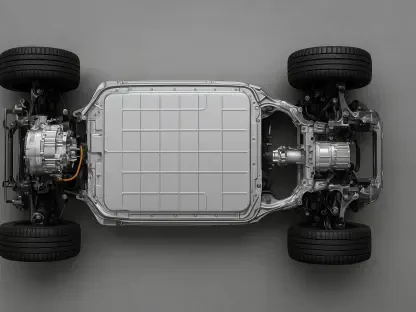
The introduction of the FH Aero Electric serves as a cornerstone for this new fleet, featuring a streamlined design that significantly reduces aerodynamic drag while housing advanced propulsion components. One of the most impactful developments within this model is the integration of e-axle technology, which combines the electric motors and transmission directly onto the rear axle. This reconfiguration provides essential space within the chassis to accommodate additional high-capacity battery modules without infringing on the cabin or cargo area. By utilizing this architecture, the vehicle achieves an unprecedented driving range of approximately 700 kilometers on a single charge, a distance that covers the majority of regional transport routes in a single duty cycle. This engineering choice reflects a move away from retrofitting existing diesel frames toward a purpose-built electric chassis that maximizes energy density and structural integrity, ensuring that the heavy-duty sector remains competitive in a low-carbon economy.
Capability Expansion: Heavy-Duty Operations and Extreme Loads
Beyond the mechanical advantages of the e-axle, the capability to support extreme gross combination weights marks a significant milestone for heavy industry. Specialized configurations now allow for truck-and-trailer combinations weighing up to 80 tonnes, specifically designed for demanding sectors such as timber transport and heavy construction. To achieve this, the vehicles utilize advanced hub-reduction axles that improve ground clearance and startability when navigating unpaved or steep terrain with significant loads. Even at a substantial weight of 64 tonnes, these electric trucks maintain a reliable range of approximately 450 kilometers, powered by a driveline that offers 640 kWh of usable energy. This level of performance is supported by enhanced insulation and thermal control, ensuring that battery efficiency remains stable in the freezing climates of Northern Europe. By proving that electrification can handle the most taxing logistical tasks, the industry has effectively dismantled the argument that battery-electric power is only suitable for light-duty urban applications.
Operational Integration: Infrastructure and Long-Term Strategy
Grid Connectivity: High-Power Energy Replenishment Systems
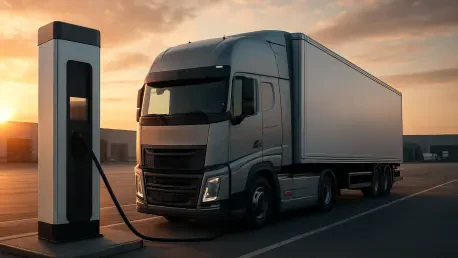
To complement the increased energy capacity of these vehicles, the implementation of the Megawatt Charging System (MCS) has become a primary driver for industrial adoption. This technology allows for rapid energy replenishment during mandatory driver rest periods, effectively doubling the operational flexibility of the trucks. By supporting both MCS and the widely available CCS2 charging standards, these heavy-duty vehicles can interface with a variety of infrastructure levels across different regions. This dual compatibility ensures that operators are not restricted to specific high-power corridors but can also utilize existing charging networks as they expand. The ability to add hundreds of kilometers of range in less than forty-five minutes has effectively eliminated the downtime barrier that once hindered the electrification of long-distance freight. Consequently, the transition to electric power is no longer viewed as a logistical hurdle but rather as an opportunity to modernize fleet management through digital integration and faster turnaround times.
Systematic Adoption: Future-Proofing the Global Supply Chain
The conclusion of the initial deployment phase demonstrated that the integration of high-performance electric trucks was most successful when paired with data-driven route planning and driver training. Fleet managers who prioritized the analysis of energy consumption patterns across specific terrains were able to maximize the return on investment for their new electric assets. The industry shifted its focus toward holistic solutions that included the hardware and the service contracts necessary for success. These organizations moved beyond the pilot stage by establishing dedicated charging hubs and negotiating renewable energy contracts to ensure that their operations were carbon neutral. The actionable steps taken from 2026 to 2028 provided a clear roadmap for other logistics providers, emphasizing that the technical readiness of the vehicles was only one part of a larger ecosystem. Ultimately, the industrialization of these heavy models proved that the barriers to sustainable freight were surmountable through engineering excellence.