
The success of modern drug delivery depends on bridging the critical gap between laboratory-scale chemical discovery and the complex requirements of commercial manufacturing. While the pharmaceutical industry has historically celebrated the identification of potent new molecules, the current landscape in 2026 shifts the spotlight toward the rigorous physical science required to make those molecules viable for human use. This transition is exemplified by recent collaborative efforts among researchers from Yonsei, Pusan National, and Duksung Women’s Universities, who emphasize a translational approach to drug development. By integrating particle engineering and formulation science, the industry seeks to ensure that chemical breakthroughs do not merely exist as laboratory curiosities but survive the demanding journey through manufacturing lines, global supply chains, and the complex physiological barriers of the human body. This movement represents a fundamental departure from traditional trial-and-error methods, moving toward a knowledge-driven discipline where the physical architecture of a drug is as significant as its biological activity.
Overcoming Physical Barriers to Drug Absorption
Solubility Strategies: Enhancing Bioavailability through Engineering
A primary challenge currently facing drug development pipelines involves the inherent hydrophobicity of many newly discovered therapeutic candidates. Statistics suggest that a vast majority of modern drug molecules fall into categories that exhibit poor water solubility, creating a significant bioavailability crisis. If a drug particle cannot effectively dissolve within the gastrointestinal tract or enter the bloodstream, its chemical potency remains untapped, rendering the treatment therapeutically useless. Particle engineering addresses this fundamental physical limitation by manipulating the solid state of the drug at the molecular and microscopic levels. By increasing the effective surface area of a substance, scientists can significantly accelerate the dissolution rate, ensuring that the medication reaches the target site in the body with the intended speed and concentration. This strategic focus on solubility is essential for the next generation of oral and systemic therapies.
To achieve these improvements in dissolution, researchers employ sophisticated techniques such as micronization and nanosizing, which reduce drug particles to the micrometer or nanometer scale. While these methods successfully increase the surface area available for solvent interaction, they also introduce new engineering hurdles, specifically an increase in the material’s surface free energy. This high-energy state often causes particles to become unstable, leading to unwanted clumping or aggregation, and in some cases, a reversion to less soluble crystalline forms. Managing these energy states requires a precise balance of mechanical force and chemical stabilization. Engineers must carefully select additives and processing conditions that maintain the benefits of a smaller particle size without compromising the long-term physical stability of the medicine, ensuring that the patient receives a consistent dose throughout the product’s shelf life.
Particle Stability: Managing Surface Energy and Aggregation
Maintaining the integrity of engineered particles requires a deep understanding of the thermodynamic forces at play during and after the formulation process. When particles are reduced in size, the ratio of surface atoms to bulk atoms increases, making the system more reactive and prone to finding a lower energy state through recrystallization or fusion. In current pharmaceutical practice, the use of specialized surfactants and stabilizers has become a standard approach to mitigate these risks. These agents act as a protective barrier, preventing individual drug particles from adhering to one another and maintaining a uniform distribution within the dosage form. This level of control is particularly vital for maintaining the efficacy of high-potency drugs where even minor changes in particle size distribution can result in significant variations in drug absorption and clinical outcomes.
Furthermore, the stability of these particles is not only a matter of physical size but also of the environment in which they are stored. Modern formulation science incorporates advanced moisture control and temperature-sensitive packaging to protect the high-energy states achieved through particle engineering. The interaction between the drug particle and its excipients—the inactive ingredients that make up the rest of the pill or liquid—must be mapped out using detailed compatibility studies. By utilizing techniques such as high-resolution microscopy and laser diffraction, engineers can observe the behavior of these particles in real-time, allowing for the design of delivery systems that remain robust under various environmental stressors. This holistic view of stability ensures that the sophisticated engineering performed in the lab is preserved until the moment the drug is administered.
Mastering Solid-State Stability and Production
Solid-State Control: Crystalline and Amorphous Transformations
The fundamental decision between utilizing a crystalline or an amorphous solid state defines the entire development trajectory of a pharmaceutical product. Crystalline structures are favored for their inherent thermodynamic stability and ease of handling during large-scale manufacturing; however, the energy required to break their defined lattice often slows down the dissolution process. In contrast, amorphous solid dispersions, which lack a structured crystal lattice, offer significantly higher apparent solubility, making them ideal for poorly soluble drugs. The inherent trade-off is their thermodynamic instability, as amorphous molecules naturally tend to reorganize into a crystalline state over time. To combat this, researchers utilize polymeric carriers that form strong hydrogen bonds with the drug molecules, effectively locking them into a stable, non-crystalline matrix that prevents the drug from “crashing out” of its effective form.
The successful implementation of amorphous solid dispersions depends heavily on the selection of the correct polymer and the ratio of drug to carrier. Sophisticated analytical tools, such as Raman spectroscopy and differential scanning calorimetry, are employed to monitor these states during the formulation process. These tools allow scientists to detect minute amounts of crystallinity that could act as seeds for larger-scale recrystallization. By understanding the glass transition temperature and the molecular mobility within these dispersions, engineers can predict the long-term stability of a formulation with high accuracy. This level of solid-state mastery ensures that the enhanced solubility provided by the amorphous state remains a reliable feature of the drug, providing patients with a predictable and potent therapeutic effect that would otherwise be impossible with traditional crystalline formulations.
Innovative Engineering: Diverse Delivery Routes and Requirements
Modern pharmaceutical engineering extends its reach beyond the traditional oral tablet, encompassing a wide array of specialized delivery systems including inhalables, injectables, and transdermal patches. Each of these routes demands a unique set of particle characteristics that must be engineered with extreme precision. For instance, inhalable powders intended for deep lung delivery must fall within a precise aerodynamic range of one to five micrometers. If particles are too large, they impact the back of the throat; if they are too small, they are simply exhaled. Engineering these powders involves not only size control but also surface modification to ensure the particles do not clump within the inhaler device, allowing for a consistent dose of medication to reach the respiratory system during every use.
Similarly, the development of injectable suspensions and transdermal systems requires a sophisticated blend of material science and physiological understanding. Injectable formulations must remain physically stable in a liquid medium, preventing the permanent settling of particles that could lead to inconsistent dosing or needle clogging. In the realm of transdermal delivery, the focus shifts to adhesion science and the controlled release of drugs through a polymeric matrix. These systems are designed to provide a steady, systemic flow of medication through the skin barrier over several days, requiring a precise balance between the drug’s chemical properties and the mechanical properties of the patch. By treating these diverse systems as a unified field of particle engineering, the industry can develop delivery solutions that are tailored to the specific needs of the patient and the unique requirements of the administration route.
Manufacturing Excellence: Implementing Quality and Scale-Up
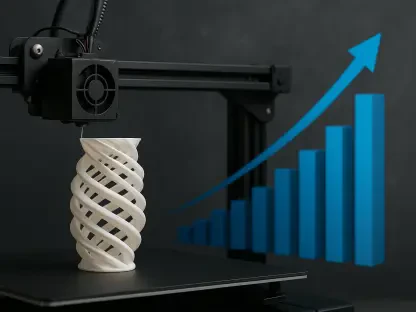
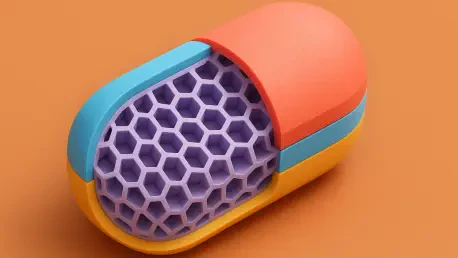
The transition from a laboratory-scale formulation to a mass-produced pharmaceutical product often encounters the “valley of death,” where small-scale successes fail to translate to the factory floor. Variations in mixing efficiency, heat transfer, and drying kinetics can significantly alter the final product’s particle size or crystal form, leading to batches that do not meet regulatory standards. To bridge this gap, the industry increasingly relies on predictive modeling and innovative manufacturing technologies such as continuous manufacturing and additive manufacturing. 3D printing, in particular, has emerged as a transformative tool, allowing for the creation of tablets with complex internal geometries that can be programmed to release the drug at specific intervals or locations within the body, a level of control that was previously unattainable with traditional pressing methods.
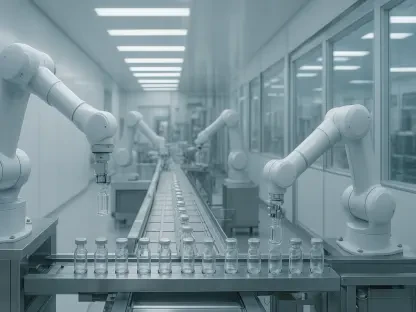
The implementation of Quality by Design and Process Analytical Technology proved to be the most effective solution for ensuring long-term manufacturing reliability. By identifying critical process parameters early in development, manufacturers established a design space that guaranteed consistent product quality across every batch. Industry leaders moved away from retrospective testing, instead opting for inline sensors like near-infrared spectroscopy to monitor drug properties in real-time as they moved through the production line. This shift toward a knowledge-driven engineering discipline allowed for immediate adjustments to the manufacturing process, significantly reducing waste and improving safety. As these advanced engineering practices became the global standard, they enabled the reliable production of complex medicines that met the highest healthcare requirements, ensuring that life-saving innovations were delivered with unprecedented precision and efficiency.