
The rhythmic clatter of steel on rail is becoming the sound of economic transformation in Baku, as the city sheds its status as a mere transit point to embrace its destiny as a manufacturing powerhouse. The competitive landscape for Azerbaijan’s rail contracts has intensified as European manufacturers like Škoda and Stadler Rail vie for dominance in the post-Soviet market. This intense competition follows a multi-billion dollar state mandate designed to revolutionize the Baku Metro through 2030, involving the construction of ten new stations and the deployment of 299 advanced carriages. Rather than continuing a legacy of simple procurement, the Azerbaijani government is shifting toward a model of deep industrial integration. The current objective is to leverage international expertise to build a domestic industry that can sustain itself while providing modern transport solutions for an ever-expanding urban population. This evolution marks a departure from historical dependency, signaling a new era of infrastructure-led economic growth.
Strategic Industrial Localization: The Path to Self-Sufficiency
Building Domestic Manufacturing Capabilities: The Assembly Phase
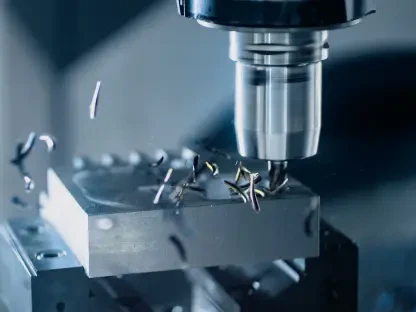
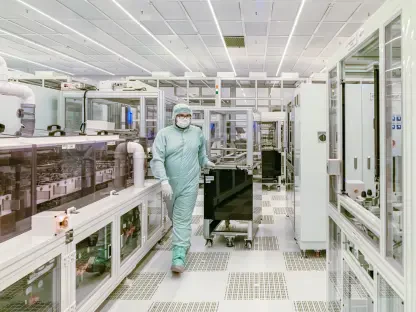
Central to the discussions between the Škoda Group and local authorities is the creation of a manufacturing pipeline that moves beyond the simple assembly of pre-fabricated kits. The proposed facility in Baku is envisioned as a center of high-tech production where the complexity of the work increases over time. Initially, the plant would focus on the final assembly and rigorous testing of rolling stock using imported sub-assemblies to ensure quality standards are met from the outset. However, the long-term roadmap involves a deliberate transition toward the local manufacture of critical electrical systems and metal structures. This shift is intended to maximize the added value within the national economy, ensuring that the profit margins and technological dividends remain within Azerbaijan. By taking control of the production cycle, the country aims to insulate itself from the volatility of international supply chains and the rising costs of finished machinery.
Achieving this level of industrial depth requires a robust ecosystem of domestic partners capable of providing high-grade materials and components. The Škoda Group’s entry into the market provides a catalyst for Azerbaijani firms to upgrade their own manufacturing processes to meet stringent European certifications. As the Baku facility scales its operations from 2026 to 2030, the demand for locally produced parts is expected to grow, creating a secondary market for specialized industrial services. This vertical integration is vital for the sustainability of the rail sector, as it allows for the rapid replacement of components and the ongoing customization of vehicles to suit specific local conditions. Reducing the lead time for spare parts is a critical operational goal, as any downtime in the Baku Metro translates into significant economic losses for the city. Consequently, local production is viewed not just as a matter of prestige but as a functional necessity.
Cultivating a Skilled Technical Workforce: Technology Transfer
The success of a high-tech manufacturing facility is ultimately dependent on the availability of a highly skilled workforce capable of operating at the bleeding edge of engineering. To address this, the partnership emphasizes a comprehensive technology transfer program designed to bridge the existing gap in specialized rail expertise. Drawing inspiration from established educational models like the Škoda Academy, the project seeks to implement intensive training modules for local engineers and technicians. These programs are not limited to basic assembly tasks but delve into the complexities of mechanical design, electronic control systems, and predictive maintenance protocols. By embedding European manufacturing standards into the local labor market, Azerbaijan can cultivate a new generation of technical specialists. This investment in human capital ensures that the operation remains viable long after the initial setup phase, fostering a culture of innovation.
Beyond the technical skills required for physical production, the workforce must also be proficient in the management of intellectual property and quality assurance frameworks. The training initiatives are designed to instill a rigorous adherence to international safety and performance benchmarks, which are non-negotiable in the rail industry. This transfer of know-how includes the implementation of advanced software tools for design and diagnostic analysis, allowing local teams to troubleshoot and optimize rail systems independently. As these skills become more prevalent, the reliance on foreign experts will naturally diminish, leading to a more autonomous and cost-effective operational model. The integration of local talent also ensures that the maintenance and repair of the rolling stock are handled by individuals who possess a deep understanding of the specific environmental and operational challenges found in Baku’s network.
Regional Ambitions: Baku as a Trans-Border Logistics Hub
Positioning Baku as a Trans-Border Service Center: Regional Reach
The geographic positioning of Azerbaijan at the crossroads of East and West provides a unique opportunity to expand the Baku facility’s reach beyond national borders. The Škoda Group views the proposed plant not merely as a local factory, but as a regional service hub that can cater to the burgeoning rail markets of the South Caucasus and Central Asia. This trans-border strategy is designed to capitalize on the increasing connectivity within the Middle Corridor, where modernized rail infrastructure is becoming a prerequisite for international trade. By offering maintenance and supply services to neighboring countries, the Baku facility can achieve economies of scale that would be impossible through domestic orders alone. This vision aligns with the government’s broader geopolitical objective of becoming a primary logistics node in the region. A centralized hub in Baku would reduce logistical bottlenecks for regional rail operators, providing an accessible and cost-effective alternative.
This regional model follows a successful blueprint established by Škoda in other post-Soviet territories, most notably in Uzbekistan. In that market, a significant agreement involving the supply of electric trains was paired with a localized maintenance framework, demonstrating the viability of integrated service partnerships. Applying this experience to the Azerbaijani context suggests that the Baku plant will serve as the primary technical support node for a vast network of clients. The ability to provide localized support is a powerful incentive for regional governments looking to modernize their aging rail fleets without incurring the high costs of transporting equipment back to manufacturing sites in Western Europe. As regional rail traffic grows from 2026 to 2032, the Baku hub is positioned to become a vital artery for technical support, ensuring that the rolling stock across the South Caucasus operates at peak efficiency.
Forging a Path Toward Industrial Resilience: Future Implementation
To ensure the long-term viability of the Baku rail hub, the Azerbaijani government and the Škoda Group prioritized the formalization of investment treaties and the immediate rollout of technical training programs. By taking these actionable steps, the partners moved from theoretical proposals to tangible industrial milestones. The establishment of a dedicated rail industrial zone in Baku provided the necessary regulatory and tax environment to attract further sub-suppliers and ancillary services. This partnership successfully transformed Azerbaijan from a passive consumer into an active exporter of high-tech transportation solutions. Historically, the nation took a decisive step by committing to the 2030 vision, which laid the groundwork for these industrial discussions. The focus shifted toward maintaining quality and fostering a self-sustaining innovation loop that extended the life of the rolling stock and provided the market with a reliable partner.
The financial architecture of the project was further strengthened by the Azerbaijani government’s commitment to a $2.5 billion modernization program. This multi-year budget allocation reflected a long-term strategic priority rather than a temporary infrastructure push. By integrating the Škoda partnership into this broader financial framework, the state leveraged economies of scale in procurement and maintenance. The investment in a local factory was seen as a way to convert capital expenditure into long-term savings by reducing the costs associated with importing finished goods and foreign technical support. Furthermore, the potential for export revenue from the regional hub model added another layer of financial attractiveness to the project. As the facility began to service international clients, it generated foreign currency inflows, contributing to the country’s overall economic diversification and reducing its historical reliance on energy exports.