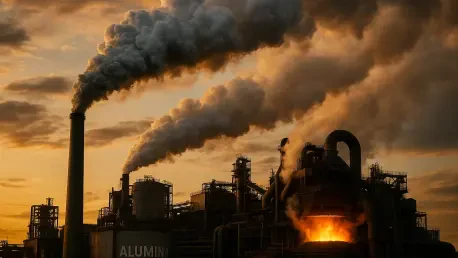

Secondary aluminum production is set to reach 15 million tonnes by 2027 as China leverages decades of accumulated metal stock in infrastructure and vehicles to reduce primary smelting demand. This shift represents a fundamental realignment of industrial priorities, moving away from a reliance on energy-intensive extraction toward a more sustainable, circular model. As the world’s largest producer, the nation is currently facing a complex challenge: sustaining record output while meeting aggressive environmental mandates. The intersection of these two goals has created a unique test case for global heavy industry, demonstrating how technological innovation can decouple economic growth from carbon emissions. By focusing on the full lifecycle of the metal, the sector is setting a precedent for other carbon-intensive fields. This transformation is not merely an environmental goal but a necessary evolution to ensure long-term competitiveness in a low-carbon global economy.
Surpassing the Production Ceiling
Reassessing Growth Limits: The Shifting Capacity Landscape
For years, the domestic aluminum industry operated under the firm belief that a strict 45-million-tonne annual capacity ceiling would naturally lead to a definitive emissions peak. This limit was designed to prevent the market from becoming saturated with low-value products while forcing firms to optimize their existing smelters. However, as 2026 progresses, it has become evident that this ceiling is more flexible than originally anticipated. Recent production data shows that output has already surpassed the 45-million-tonne mark, reaching a steady annualized rate of 45.02 million tonnes. This unexpected growth is largely driven by the high utilization of existing infrastructure and the implementation of advanced monitoring systems that maximize the efficiency of every cell. Consequently, analysts are now rethinking their projections, acknowledging that reaching a carbon peak will require more than just a physical cap on total output. The focus is shifting toward carbon intensity.
Reaching a carbon peak in this sector now requires a comprehensive reassessment of the 2030 timeline and the specific drivers of industrial expansion. Experts argue that the previous reliance on a hard capacity cap failed to account for the continuous efficiency gains that allow more metal to be produced from existing facilities. As production continues to climb toward the end of the decade, the industry is witnessing a divergence where output rises while the rate of emissions growth begins to flatten. This phenomenon suggests that the sector is entering a new phase of qualitative growth, where the focus is on maximizing value rather than sheer volume. To ensure this trend continues, regulators are likely to introduce more granular controls that target specific high-emission plants rather than applying a blanket cap. This nuanced approach recognizes that modern, efficient plants should be supported even as national capacity figures exceed the old targets.
Operational Adjustments: Navigating High Output
To effectively manage the environmental impact of rising production volumes, the focus has moved toward a model of intensity transformation. This approach prioritizes reducing the emissions generated per unit of output rather than simply capping the total number of tonnes produced. By investing in newer smelting technologies and higher-grade raw materials, producers are finding that they can maintain high growth rates while simultaneously slowing the rise of their total carbon footprint. This shift is essential for an industry that provides the essential components for the global green energy transition, such as solar panel frames and lightweight car parts. Furthermore, the geographic distribution of production is shifting toward regions with abundant renewable energy resources, such as the wind and solar hubs in the north. This move helps to ensure that the massive amounts of electricity required for electrolysis are sourced from cleaner origins.
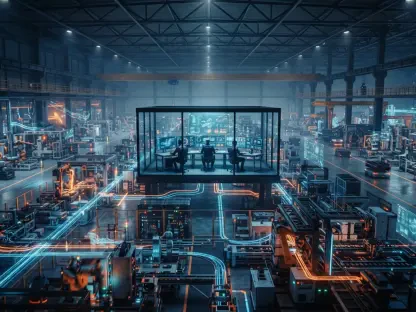
Alongside the adoption of renewable energy, the industry is seeing remarkable gains in operational efficiency through the widespread use of automated control systems and heat recovery technologies. Modern smelters have managed to reduce their specific electricity consumption by roughly 2% since 2024 through these targeted technological upgrades. By retiring aging facilities and replacing them with state-of-the-art electrolysis cells, the sector is ensuring that it remains at the global forefront of manufacturing efficiency. These improvements are not just limited to the smelting phase; they also extend to the refining and casting processes, where waste heat is increasingly being repurposed to power auxiliary systems. This holistic approach to energy management ensures that every kilowatt-hour of electricity is used as effectively as possible. As these efficiency gains become standardized, they provide a buffer against rising energy costs.
Strategies for Reducing Carbon Intensity
Clean Energy and Efficiency: The Path Forward
The primary driver of the industry’s carbon footprint remains the high energy consumption inherent in the electrolytic smelting process. To combat this, the sector is aggressively integrating clean energy into the national grid, with a specific target to have more than 30% of all electrolytic production powered by renewable sources by 2027. This transition involves not only the direct purchase of green power by smelters but also the large-scale development of captive renewable projects nearby. By situating production facilities near hydropower in the south or wind farms in the north, companies are significantly lowering their indirect emissions. This strategic relocation of the industrial base is a clear signal that the sector is prioritizing long-term sustainability over short-term proximity to traditional coal-fired power plants. As the grid continues to green, the aluminum produced becomes increasingly attractive.
Recycling offers a crucial shortcut to lower emissions, as secondary aluminum production requires significantly less energy than the primary smelting process. China is currently tapping into its vast and growing stock of end-of-life aluminum from old vehicles and infrastructure, aiming to increase secondary production to 15 million tonnes by 2027. This move toward a circular economy allows the market to meet rising demand without the heavy energy requirements associated with new electrolysis. By improving the collection and sorting infrastructure, the industry is able to produce high-quality recycled alloys that are suitable for use in advanced manufacturing sectors. This transition not only conserves energy but also reduces the need for bauxite mining, further lowering the overall environmental footprint. As the circular economy matures, the distinction between primary and secondary production is blurring, creating a resilient supply.
Achieving an Intensity-Driven Transformation
Regulation played an increasingly important role in this transformation, as evidenced by the inclusion of aluminum in the national Emissions Trading System in 2025. While the initial system focused primarily on direct emissions and perfluorocarbons, it provided a solid foundation for future market-based environmental controls. This policy framework encouraged companies to adopt cleaner technologies by placing a financial value on carbon reduction. Although the system originally excluded the carbon footprint of purchased electricity, it represented a significant step toward holding manufacturers accountable for their overall environmental impact. As the trading system evolved, it was expected to expand its scope to include more comprehensive metrics, further incentivizing the industry to move toward a low-carbon future. This regulatory environment created a predictable path for investment, allowing firms to plan their strategies.
In conclusion, the industry identified several actionable pathways that successfully balanced record production with environmental responsibility. Leaders recognized that the most effective strategy involved a total commitment to intensity-driven transformation rather than simple output restriction. They prioritized the rapid expansion of secondary aluminum facilities and invested heavily in the sorting technologies required to process complex scrap. Furthermore, the integration of the sector into the national carbon market provided the necessary financial incentives for continuous improvement. These steps proved that technological innovation and clean energy could effectively break the historical link between industrial prosperity and environmental degradation. By the end of this transition, the sector demonstrated that it was possible to maintain a dominant global position while significantly reducing the absolute carbon footprint.