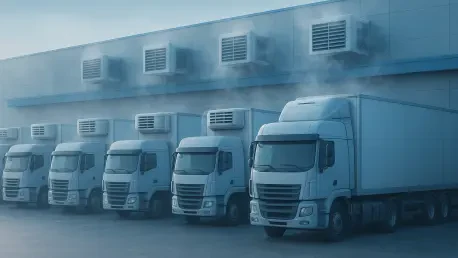

Every single second a temperature-sensitive shipment lingers in the transition zone between a freezer and a trailer represents a direct hit to a food manufacturer’s annual profitability. While technical failures in refrigeration units are rare, the true financial drain usually occurs during the quiet handoffs between the warehouse and the transport fleet. These gaps in the supply chain are often invisible on a spreadsheet until the retailer rejects a shipment due to a minor thermal excursion.
In the current marketplace of 2026, maintaining a consistent environment of -18°C is no longer just a technical standard but a prerequisite for economic survival. Manufacturers that view warehousing and transportation as isolated tasks often overlook how fragmented communication leads to significant product spoilage. As margins tighten across the industry, the focus has shifted toward a unified approach that treats the entire journey as a single, unbroken process.
The Hidden Price of a Single Degree
A pallet of frozen goods left on a loading dock for fifteen minutes too long can negate hours of efficient production. While many manufacturers invest heavily in state-of-the-art cold storage, the most significant losses occur in the silent intervals between deep-freeze storage and the refrigerated trailer. In an environment where precision is mandatory, these small gaps have become the primary drivers of bottom-line erosion and inventory waste.
This fiscal leakage is often compounding, as a single degree of temperature rise can trigger a cascade of safety protocols and quality inspections. When a product begins to thaw, even slightly, the structural integrity and shelf life are compromised, leading to massive write-offs. Companies are learning that protecting the product requires more than just cold air; it requires a logistics strategy that accounts for every minute of exposure.
The High Stakes of Temperature-Sensitive Distribution
Modern distribution networks face a complex array of challenges, from fluctuating energy costs to increasingly rigid food safety regulations. Unlike ambient logistics, the cold chain provides no room for administrative delays or mismanaged handoffs. A documentation error that keeps a truck idling at the gate for an hour can lead to a total loss of cargo, representing thousands of dollars in wasted resources.
Retailers today demand unprecedented service levels, forcing manufacturers to prioritize freshness and precision above all else. A fragmented approach to managing warehouses and fleets is no longer sustainable for brands looking to maintain their market position. The financial consequences of a rejected shipment extend far beyond the immediate loss, often damaging long-term retail relationships and brand reputation.
Identifying and Closing the Critical Supply Chain Fractures
The transition between functional silos remains the most common point of failure for temperature-controlled products. When warehousing teams and transportation providers operate independently, critical information regarding trailer arrival times and dock availability often gets lost. These communication breakdowns create “empty miles” and leave trailers half-filled, draining capital and increasing the carbon footprint of the entire operation.
Production planning errors and inaccurate labeling further complicate the distribution process, often resulting in aggressive fines from retailers. Infrastructure strategy also plays a vital role, as manufacturers must decide between building private cold storage or leveraging specialized third-party providers. Many have found that the financial trade-offs favor outsourcing, allowing them to focus on product innovation rather than managing heavy assets.
Expert Insights on Integrated Logistics Management
Andrew Mates, Senior Vice President at Americold, suggests that the industry is moving away from shipment-level evaluations toward a holistic network perspective. This integration allows for a clearer view of inventory movement and potential bottlenecks. Expert data shows that companies utilizing real-time monitoring are significantly more likely to identify disruptions before they escalate into product loss.
The move toward high-tech oversight enables manufacturers to act proactively rather than reactively. By integrating inventory data with transportation management systems, organizations can ensure that products move seamlessly through the cold chain. This level of coordination is becoming the benchmark for resilience, providing a buffer against the unpredictability of modern global supply chains.
Strategies for a Seamless and Resilient Cold Chain
Consolidating logistics governance is a primary step in eliminating the communication gaps that lead to spoilage. By centralizing the management of both storage and transport, companies ensure accountability and reduce the risk of temperature deviations during loading. Automated tracking systems provide the visibility necessary to catch micro-fluctuations in real-time, protecting the integrity of every pallet.
Optimizing trailer utilization through centralized distribution models ensures that every refrigerated mile contributes to the bottom line. Rigid protocols for labeling and documentation are equally essential for mitigating the risk of retailer rejections. These administrative safeguards, combined with scalable infrastructure partnerships, allow manufacturers to remain agile while maintaining the highest safety standards.
Forward-thinking organizations recognized that the path toward sustainability required a fundamental shift in how they managed their outbound logistics. They moved away from fragmented operations and prioritized total network integration, effectively closing the gaps that once drained their profitability. By adopting these holistic strategies, they successfully protected their margins and established a more resilient foundation for future growth.