
The aerospace industry is currently undergoing a radical transformation as the demand for lighter, more fuel-efficient aircraft necessitates the rapid development of sophisticated composite materials and digital manufacturing techniques. Wichita, long recognized as the global epicenter of aviation manufacturing, has solidified its position at the forefront of this evolution with the recent groundbreaking of a new aerospace hub. This facility represents a major collaborative effort between Hexcel, a global leader in advanced composites, and the National Institute for Aviation Research at Wichita State University. By combining industrial manufacturing prowess with academic research excellence, this partnership aims to accelerate the transition of laboratory innovations into commercial reality. The hub is designed to serve as a nexus for engineers, researchers, and students to prototype and test next-generation aircraft components, ensuring that the United States remains a leader in the global aerospace supply chain.
Strategic Alliances: Industry and Academia Synergy
Material Innovation: Expanding Composite Capabilities
Hexcel is contributing its extensive expertise in carbon fiber production and advanced resin systems to provide the foundational materials required for high-performance aerospace applications. The new facility focuses on the development of specialized thermoplastic composites and high-strength structures that are essential for the next generation of narrow-body aircraft and advanced air mobility vehicles. Within this collaborative space, engineers are working to refine out-of-autoclave processing methods, which significantly reduce energy consumption and production lead times compared to traditional manufacturing cycles. This focus on material innovation is complemented by Hexcel’s commitment to providing real-world industrial context to research projects, ensuring that every advancement is feasible for large-scale production. The integration of these advanced materials into the Wichita ecosystem allows for a more responsive supply chain that can quickly adapt to the changing requirements of manufacturers.
Research Excellence: Certification and Testing Pathways
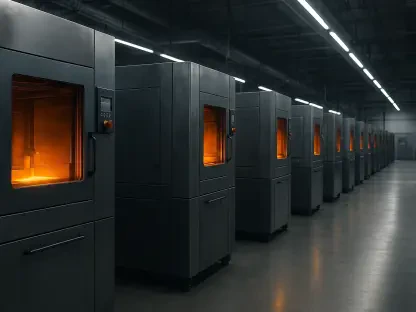
The National Institute for Aviation Research brings a sophisticated suite of testing and qualification capabilities to the partnership, which are critical for the certification of new aerospace technologies. At the heart of the new hub, NIAR researchers are utilizing advanced structural testing rigs and environmental chambers to evaluate how composite components perform under extreme stress and various atmospheric conditions. This data-driven approach is vital for meeting the stringent safety standards set by aviation regulatory bodies while also pushing the boundaries of what these materials can achieve. Furthermore, the partnership facilitates a streamlined pathway for technology readiness level advancement, moving concepts from early-stage research to industrial validation more efficiently than ever before. By providing a centralized location for both manufacturing and rigorous testing, the hub minimizes the logistical hurdles that often slow down innovation, enabling a more agile development process for the whole industry.
Regional Impact: Economic and Technological Growth
Economic Expansion: Strengthening the Wichita Corridor
The establishment of this new aerospace hub is expected to catalyze significant economic growth within the Kansas region by attracting high-tech investment and creating hundreds of specialized job opportunities. Local government officials and economic development agencies have championed the project as a cornerstone of the regional strategy to diversify the industrial base and secure Wichita’s status as a premier destination for aerospace engineering. The hub’s proximity to Wichita State University creates a vibrant talent pipeline, where students gain direct exposure to the most advanced manufacturing technologies and industry-standard practices. This environment not only prepares the future workforce for the complexities of modern aerospace production but also encourages the formation of spinoff companies and auxiliary services that support the hub’s operations. As more technology firms are drawn to the region to collaborate with Hexcel and NIAR, Wichita is evolving into a more resilient technology corridor.
Future Perspectives: Sustainable Aviation Initiatives
Looking toward the future, the activities at the Wichita hub prioritized the development of sustainable aviation technologies, including lightweight airframes for electric propulsion systems and hydrogen storage solutions. Engineers successfully demonstrated how advanced composites could reduce the overall weight of long-range aircraft, thereby lowering carbon emissions and operational costs for commercial airlines. These achievements paved the way for a more environmentally conscious aerospace sector, proving that industrial growth and ecological responsibility can coexist through technological innovation. Moving forward, stakeholders must continue to invest in cross-disciplinary research that bridges the gap between material science and digital systems integration. The success of the Hexcel and NIAR partnership served as a definitive model for how industry and academia can unite to solve the most pressing challenges of flight. Establishing clear protocols for data sharing remained essential for fostering an environment where breakthrough discoveries could flourish.