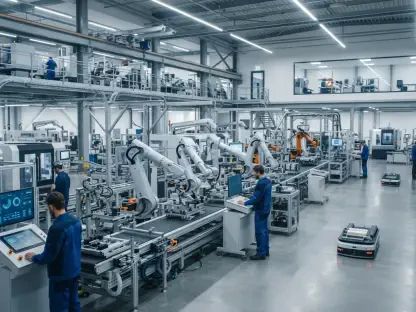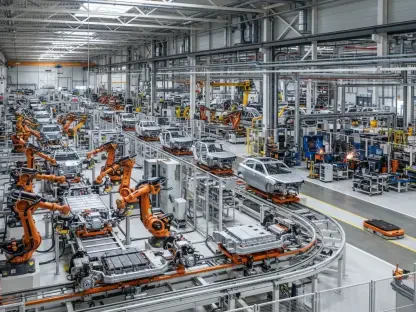

A major theme in AI governance is the protection of sensitive manufacturing data, including trade secrets and proprietary recipes, through strict data sovereignty. The modern food and beverage landscape currently operates within a complex paradox where the pursuit of extreme efficiency through artificial intelligence creates fresh vulnerabilities that traditional perimeter-based security measures were never designed to withstand. As production facilities integrate a growing fleet of autonomous drones, robotic pickers, and digital interfaces, the fundamental nature of industrial risk has shifted from purely digital theft to tangible, physical hazards. Industry experts emphasize that robust AI governance is no longer a peripheral IT concern but a primary requirement for maintaining both operational continuity and the public’s confidence in the food supply. Every connected device now represents a potential entry point for interference, meaning that a failure in digital defense could directly translate into a compromised production run.
Digital Security: Bridging the Gap to Physical Food Safety
There is a profound distinction between a standard corporate data breach and a security failure occurring within the specialized confines of a food manufacturing environment. In a typical office setting, a breach might lead to the unauthorized release of financial records or marketing strategies, which is undeniably damaging but lacks the immediate physical danger of a factory-floor compromise. When AI systems are entrusted with monitoring critical variables such as sterilization temperatures, pasteurization timings, or precise ingredient ratios, any manipulation of these algorithms becomes an immediate threat to public safety. A compromised model could subtly alter the chemical balance of a product or disable safety alerts, leading to the distribution of tainted goods before the error is even detected. This reality forces a reorganization of priorities where cybersecurity is viewed through the lens of hazard analysis, ensuring that the digital architecture protecting the facility is as resilient as the physical barriers on the line.
Maintaining the integrity of the production process requires the implementation of a rigorous “Human-in-the-Loop” framework to ensure that automated systems do not deviate from established safety parameters. As digital tools take over more of the day-to-day management of safety protocols, the scope of cybersecurity must expand beyond simple data encryption to include the validation of every automated decision. Protecting a modern factory floor necessitates a strategic shift in perspective, where digital defense mechanisms are recognized as the primary guardians of the physical product’s safety and purity. By integrating human oversight at critical junctures, manufacturers can prevent both unintentional system errors and malicious external interference from altering the composition of their food products. This approach creates a redundant layer of protection where the speed of AI is tempered by the experienced judgment of safety professionals, ensuring that any deviation from the standard operating procedure is flagged and addressed in real-time.
Data Integrity: Maintaining Sovereignty and Provider Accountability
Manufacturers in the food and beverage industry must increasingly demand uncompromising data sovereignty from their Software-as-a-Service providers to protect their most valuable intellectual property. There is a growing consensus among industry leaders that sensitive customer data should never be used to train external or public AI models, as this creates a significant risk of leaking proprietary recipes and operational trade secrets to competitors. For an AI-driven tool to be deemed safe for use on the front lines of production, all data inputs and generated outputs must remain strictly confined within a secure and dedicated infrastructure. This infrastructure must adhere to stringent data residency laws and internal governance policies to ensure that information remains under the manufacturer’s total control. By maintaining this level of isolation, companies can utilize the analytical power of advanced machine learning without the fear that their unique formulations will be inadvertently exposed through a shared cloud platform.
The partnership between food manufacturers and technology developers is undergoing a fundamental transformation, with an emphasis on embedding ethical controls and transparency directly into software products. In such high-stakes environments, the functional power of a new digital feature is considered secondary to its adherence to safety and compliance standards. Manufacturers are now utilizing their market influence to require that SaaS providers undergo independent audits and provide clear documentation regarding how their AI models process information. This evolution ensures that technology partners act as strategic assets that enhance the production cycle rather than becoming liabilities that introduce unforeseen risks. Through a commitment to transparency, facilities can confidently implement global communication tools and content conversion systems that facilitate cross-border collaboration while still protecting their core intellectual property. This culture of accountability helps build a more resilient ecosystem where innovation is balanced with a focus on the security.
Hazard Prevention: Implementing Technical Guardrails and Filtering
To effectively mitigate the risk of AI “hallucinations,” where a system might generate plausible-sounding but factually incorrect or dangerous information, a layered defense strategy is essential. One of the most effective technical solutions being deployed is Retrieval-Augmented Generation, which anchors the AI’s responses in a manufacturer’s own verified and audited database. This technology ensures that when a worker queries the system about a safety protocol or an ingredient substitution, the answer provided is pulled directly from approved documentation rather than the model’s general training data. If the system is unable to locate a specific, authorized answer within the internal database, it is programmed to decline the query rather than attempting to synthesize a response. This grounding mechanism is vital for preventing the dissemination of incorrect safety instructions that could lead to equipment damage or consumer harm. By restricting the AI’s creative license, manufacturers ensure that the assistant remains a source of truth.
Beyond the grounding of data, comprehensive AI governance involves the use of sophisticated ingress and egress filtering systems to maintain a professional and safe context for all digital interactions. Ingress filters are designed to detect and block malicious prompts or “jailbreak” attempts that seek to force the model into violating safety constraints. On the other side of the interaction, egress filters scrutinize the generated output to ensure there is no evidence of bias, scope-drift, or the inclusion of unauthorized information. When these automated filters are paired with continuous adversarial testing—where security teams actively try to trick the system into making errors—the resulting “playbook” for hazard prevention becomes a dynamic tool for improvement. Secure logging of every interaction allows for detailed forensic auditing, enabling manufacturers to refine their AI’s performance over time. This rigorous technical oversight transforms the AI from an unpredictable black box into a highly reliable component of the industrial safety infrastructure.
Strategic Governance: Upholding Security Standards for Operational Continuity
Even as automation becomes more pervasive, the role of human oversight remains the definitive safety net for high-stakes manufacturing operations. For any complex mechanical instructions or proposed modifications to safety protocols, a qualified subject matter expert must review and formally approve the AI-generated content before it reaches the factory floor. This human-centric approach ensures that the subtle nuances of specific machinery and the unique requirements of a particular facility are never overlooked by an algorithm that may lack a holistic understanding of the physical world. By treating AI as a collaborative tool rather than a total replacement for human judgment, companies can leverage the speed of digital processing while maintaining the critical thinking necessary for crisis management. This synergy between human experience and machine efficiency allows for a more nuanced application of safety standards, where the AI handles the heavy lifting of data analysis while humans make the final, high-consequence decisions.
The successful integration of AI within the production environment required a proactive approach that centered on the creation of a secure digital foundation. By establishing clear protocols for data residency and ingress filtering, manufacturers successfully protected their facilities from the risks associated with rapid technological adoption. The decision to maintain human oversight for high-stakes mechanical adjustments ensured that the transition to automation never came at the expense of consumer safety or product consistency. These strategic actions reinforced the sector’s resilience against cyber threats and provided a clear roadmap for other industries facing similar challenges in the age of intelligence. Ultimately, the industry demonstrated that through a combination of technical guardrails and ethical accountability, it was possible to harness the full potential of automation while still upholding the highest standards of safety. This disciplined framework served as the catalyst for a new era of manufacturing excellence where technology acted as a steadfast protector.