
The Zetamix metal 3D printing solution offers a robust method for creating mechanical parts while minimizing the safety risks inherent to traditional metal additive processes. This technological leap has found its most prestigious application aboard the French aircraft carrier Charles de Gaulle, where the demands for immediate maintenance are constant and the stakes are exceptionally high. As a centerpiece of the French naval fleet, this vessel operates with nearly two thousand personnel and carries dozens of advanced aircraft, making the ability to produce spare parts on-demand a critical operational requirement. The collaboration between the French Fleet Support Service and the state-owned Naval Group has introduced a decentralized manufacturing model that effectively addresses the logistical bottlenecks of maritime operations. By deploying this system, the Navy ensures that essential mechanical components can be fabricated without waiting for land-based shipments, thereby maintaining high readiness levels during extended deployments across global waters. This integration not only reduces the reliance on traditional supply lines but also provides a layer of operational flexibility that is vital for sustaining complex systems in remote environments.
Navigating Technical Constraints: The Maritime Additive Approach
Safety and Material Management: Avoiding Explosive Powders
The primary reason for choosing the Zetamix system lies in its use of bound metal filaments rather than the volatile fine powders typical of other metal 3D printing methods. On a naval vessel, fire is the most significant threat, and standard powder-based systems introduce explosive risks that are difficult to manage in confined spaces. The Zetamix process encases metal particles in a polymer matrix, allowing the crew to handle materials safely without the need for specialized atmospheric control or intensive personal protective equipment. This design choice makes the system uniquely suited for the vibrations and humidity of a maritime environment, where traditional industrial setups would struggle to remain stable. Furthermore, the compact size and relatively low power requirements of the material extrusion hardware allow it to be installed in existing workshops without significant structural modifications. This pragmatic approach prioritizes safety while providing the ship’s crew with a versatile tool to manufacture high-quality metallic components whenever and wherever they are needed, ensuring that technical failures do not compromise the mission’s overall success.
Technical Precision: Managing Shrinkage and Finishing
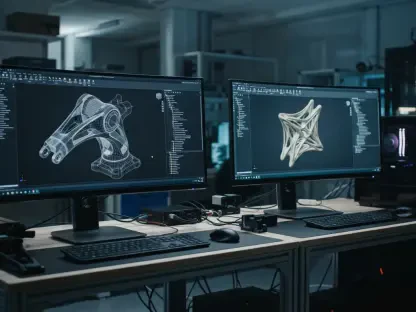
While the bound metal extrusion process is safer and more accessible, it introduces technical complexities like material shrinkage during the post-processing phase. After a part is printed, it must undergo a sintering process in a specialized furnace to fuse the metallic particles into a solid structure. During this stage, the removal of the polymer binder causes the part to contract, requiring engineers to utilize advanced software for dimensional compensation. For parts that require extremely high precision, such as valve components or specialized engine fittings, secondary machining is often necessary to achieve the final tolerances. Despite these requirements, the technology remains highly effective for creating functional mechanical replacements that keep essential systems operational. The relatively low cost of the equipment and the short training curve for technicians make it an ideal solution for naval vessels that operate far from specialized industrial hubs. By mastering these sintering nuances, the crew can produce functional metal parts in a fraction of the time it would take to source them through traditional supply lines, enhancing the ship’s self-sustenance.
Strategic Logistics: The Shift to Decentralized Production
Digital Infrastructure: Connecting the Fleet to Land-Based Support
A significant advantage of this technological implementation is the transition from physical inventories to digital supply chains. By developing a comprehensive library of certified part designs, the French Navy can store thousands of blueprints electronically rather than carrying massive amounts of heavy spare parts. Starting in 2026, the collaboration between shipboard personnel and land-based engineers in Toulon has allowed for real-time design updates and troubleshooting via secure satellite links. This remote engineering support ensures that the carrier’s technicians have access to the latest design optimizations regardless of their location in the world. As the system evolves through 2027, the focus will likely shift toward expanding the catalog of printable alloys and refining the automated quality assurance processes. This shift toward decentralized manufacturing not only reduces the load on support vessels but also provides a level of operational flexibility that is vital in modern, high-tempo maritime environments. The ability to “print” logistics rather than shipping them represents a fundamental change in how modern military forces sustain their assets during prolonged combat or surveillance missions.
Field Certification: Establishing Robust Quality Standards
The successful implementation of these systems demonstrated that the future of naval maintenance relied on standardized field certification protocols. Military planners observed that the transition to additive manufacturing required a new framework for validating the structural integrity of printed parts before they were installed in critical ship systems. To address this, they established rigorous testing procedures that combined digital simulations with physical inspections on board the ship. These initiatives ensured that every fabricated component met the high safety standards required for high-pressure or high-temperature applications. Additionally, the Navy prioritized the development of secure data transmission protocols to protect intellectual property and prevent unauthorized tampering with design files. This experience showed that the real value of the technology was realized when the hardware was supported by a robust organizational infrastructure. By focusing on these next steps, naval forces across the globe began to view decentralized 3D printing as a cornerstone of their long-term strategic resilience, ensuring that they remained technically independent during extended operations in contested maritime zones.