
Having earned the status of a trusted name over five decades, the company continues to bridge the gap between traditional manual skills and the precision of modern manufacturing technology. This enduring legacy is a byproduct of the rapid metamorphosis of the United Arab Emirates from a maritime-based economy into a global architectural marvel, which required a sophisticated interior infrastructure to reflect its cosmopolitan identity. Established in 1977, the firm has meticulously curated a strategy that aligns with the nation’s own trajectory of growth. By moving beyond the limitations of a localized retail shop, the brand transformed into a comprehensive manufacturer that caters to a hyper-diverse population. The ability to anticipate aesthetic shifts—from traditionalism to the sleek trends of 2026—cemented its role as a pivotal force in the design scene. The brand’s success stems from an agile model that prioritizes the evolving needs of expatriates and locals alike, ensuring that products are both culturally resonant and globally contemporary.
The Customization Paradigm: Catering to a Diverse Real Estate Market
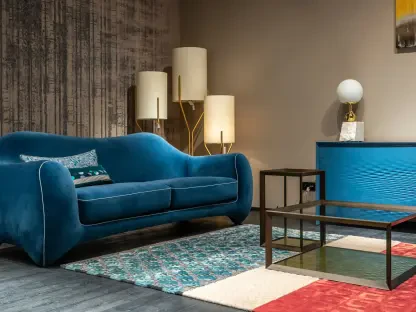
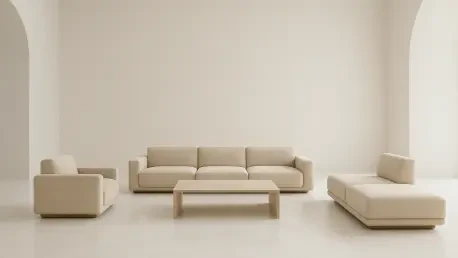
Modern consumers in the United Arab Emirates have increasingly distanced themselves from the homogeneity of mass-produced furniture, seeking instead pieces that tell a unique story or fit a specific spatial requirement. Asghar Furniture recognized this shift early on, pivoting its operational strategy to prioritize bespoke customization over generic inventory. This model empowers clients to act as co-creators, offering them the agency to modify everything from the core dimensions of a sofa to the specific grain of wood used in a dining table. By removing the rigid constraints often found in traditional retail, the company has managed to address the nuanced demands of a market where individuality is highly prized. This approach does not simply provide a product; it facilitates a design journey where the final output is a direct reflection of the occupant’s lifestyle and taste. Consequently, the brand has become synonymous with flexibility, proving that high-quality craftsmanship can be adapted to any aesthetic, whether it be neo-classical opulence or industrial chic.
This commitment to personalization is vital within the context of the UAE’s dynamic real estate sector, which features architectural styles ranging from luxury villas to high-density studio apartments. Property investors and residents require furniture that can maximize utility without sacrificing elegance, a balance rarely achieved through off-the-shelf imports. The ability to tailor colors and materials allows for seamless integration into existing interior palettes, ensuring that new acquisitions complement the broader design vision. Furthermore, as the short-term rental market continues to expand in 2026, the demand for durable yet stylish custom pieces has surged. Owners of holiday homes frequently utilize these bespoke services to differentiate their properties in a competitive market, relying on the brand’s expertise to create memorable environments that appeal to international travelers. This focus on individualization has fundamentally altered how residents perceive furniture, shifting the narrative from simple commodity to a long-term investment in personal comfort.
Operational Excellence: Local Manufacturing and the Digital Future
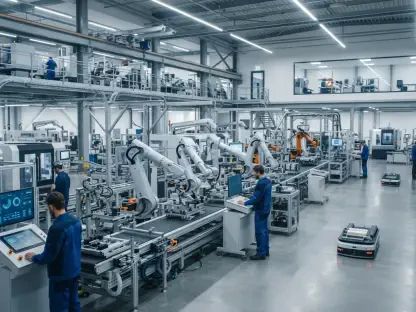
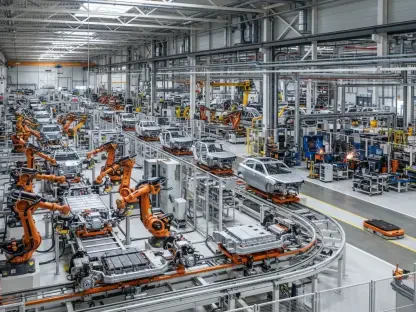
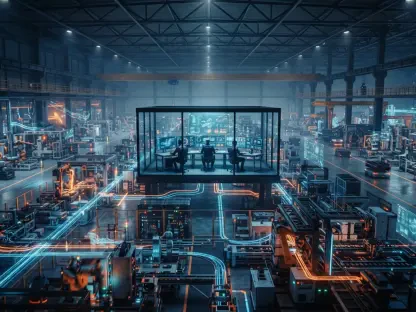
One of the most profound ways the company has influenced the regional market is through its dedication to domestic manufacturing. By operating its own production facilities within the Emirates, the brand maintains absolute oversight of every stage of the creation process, from raw material selection to the final upholstery. This vertical integration eliminates the uncertainties and delays associated with international shipping and global supply chain disruptions, which have become increasingly complex in the mid-2020s. Local production ensures that quality control standards remain high, as designers and craftsmen can collaborate in real-time to solve technical challenges. Moreover, the proximity of the factory to the end consumer allows for a level of transparency and accountability that is often lacking in the industry. This setup has allowed the brand to cultivate a reputation for reliability, providing customers with the assurance that their furniture is built to withstand the unique environmental conditions of the region.
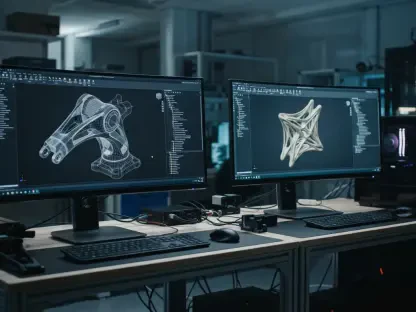
The digital transformation and professional advisory services provided by the brand completed the design ecosystem, allowing for a seamless transition from conceptualization to installation. Customers in the mid-2020s benefited from an omnichannel approach that merged physical showrooms in Dubai and Abu Dhabi with advanced online visualization tools. Looking back, the integration of 24-hour customer support and flexible financial arrangements democratized access to premium furniture. Industry professionals observed that the most effective strategy for maintaining market leadership was the continuous investment in both human expertise and technological infrastructure. It was concluded that future growth in the UAE design landscape would depend on the ability to provide high-speed, personalized services while maintaining a low carbon footprint through local sourcing. Professionals were encouraged to prioritize domestic supply chains and invest in modular furniture solutions that could adapt to changing urban living conditions. These actionable steps ensured that the industry remained resilient and relevant.