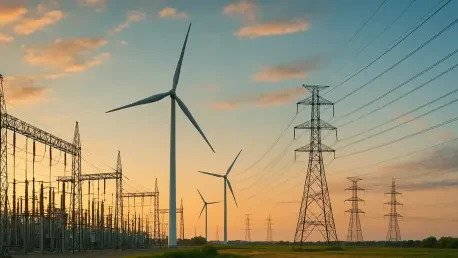

Heron Power’s integrated Heron Link system aims to eliminate grid bottlenecks by combining low-voltage inverters and medium-voltage transformers into a single five-megawatt unit. This innovation arrives as the United States navigates a historic overhaul of its power conversion and energy infrastructure, moving decisively away from foreign manufacturing dependencies. The current shift toward a robust domestic model is being accelerated by the exponential growth of renewable energy projects and the voracious electricity appetite of a hyper-expanding data center industry. To address these systemic pressures, market leaders are focusing on the development of a localized supply chain while simultaneously integrating advanced software and hardware solutions. These efforts are not merely incremental improvements but represent a fundamental reimagining of the national electric grid. By building a sovereign industrial base, the nation aims to ensure both energy security and economic resilience in the face of shifting global energy markets.
Domestic Expansion and Strategic Investment
Scaling Manufacturing: The Houston Hub
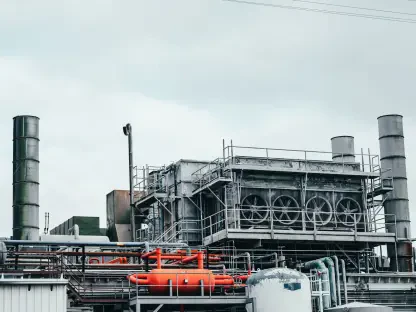
A defining element of this industrial pivot is the emergence of massive manufacturing centers in the American heartland, notably the recently established Power Electronics campus in Houston, Texas. Spanning fifty-three hectares, this site serves as a comprehensive hub for research, development, and high-tech manufacturing, moving far beyond the scope of a traditional factory. The facility integrates complex logistics with specialized training programs designed to cultivate a workforce capable of maintaining advanced power conversion systems. By centralizing these diverse functions, the Houston initiative streamlines the production cycle and reduces the logistical vulnerabilities associated with international shipping. This strategic placement in Texas leverages the state’s existing energy expertise and provides a scalable template for other regions. The project has already begun to generate hundreds of skilled jobs, reinforcing the vital link between energy infrastructure investment and regional economic stability.
Strengthening the Local Supply Chain: Policy and Production
As the Houston facility reaches its target output, it is projected to provide forty gigawatts of annual production capacity, primarily focusing on solar inverters and battery energy storage systems. This immense scale is a direct response to a broader industry trend where global manufacturers are relocating their core operations to the United States to align with domestic regulatory incentives. Meeting strict grid reliability standards has become a priority, and having production situated within the borders allows for faster response times and better quality control. These investments ensure that the critical components of the energy transition are produced using American engineering standards, which simplifies the process of integrating new hardware into existing utility frameworks. The emphasis on “Made in America” content is no longer just a policy preference but a practical necessity for companies seeking to qualify for tax credits and fulfill large-scale utility contracts.
Consolidation and Next-Generation Technology
The Strategic Value: Power Conversion Systems
The profound importance of the power conversion sector is underscored by a recent wave of high-stakes corporate acquisitions, such as Flex’s multi-billion dollar purchase of EPC Power. This landmark transaction highlights the immense valuation currently placed on the intellectual property associated with high-efficiency inverters and power management software. Global industrial giants are locked in a competitive race to control the “brains” of the energy system, as these technologies are essential for synchronizing the complex electricity flow from solar farms and wind turbines. The consolidation of these specialized firms into larger industrial groups provides the capital necessary for rapid scaling and continuous innovation. As data centers demand more sophisticated power solutions, the role of power conversion systems has evolved from a niche hardware component to a central pillar of digital infrastructure. This market activity reflects a consensus that the control of energy flow is the most valuable asset in the modern economy.
Revolutionizing the Grid: Solid-State Solutions
Technological disruption successfully reshaped the infrastructure landscape through the deployment of solid-state transformers, which offered a high-efficiency alternative to traditional equipment. Heron Power pioneered this shift by introducing integrated units that achieved a 98.6 percent conversion efficiency with native grid-forming capabilities. These systems effectively managed the inherent volatility of intermittent renewable sources, maintaining a level of stability that legacy hardware often failed to provide. Pilot programs conducted with partners like RWE Americas demonstrated the practical viability of these solutions, leading to large-capacity reservations at major energy sites. To move forward, stakeholders should prioritize the integration of these solid-state systems into aging urban grids to maximize space and efficiency. The adoption of these intelligent, software-driven technologies proved to be the decisive factor in modernizing the national power supply. Future grid planning must now focus on scaling these modular designs to support the next phase of industrial electrification.