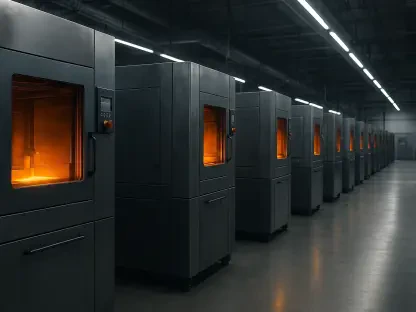

High-temperature Gloria ovens process organic waste into biochar, a stable substance capable of storing carbon in the soil for centuries to generate tradable credits. This technological marvel serves as the central engine of SwissX Island, a 50-acre facility in St. John’s, Antigua, which has successfully transitioned from a site of industrial decay into a premier center for regenerative development. By reimagining a landscape once defined by abandoned ruins, the project has established a sustainability theme park that effectively merges advanced carbon sequestration methods with the deep cultural heritage of the Caribbean. The initiative, led by the SwissX organization, focuses on building a self-sustaining economy that provides meaningful local employment while directly combating the impacts of climate change. Through the integration of hemp cultivation and green technology, the island acts as a practical laboratory, demonstrating that ecological challenges can be converted into robust economic opportunities for the entire region. This holistic approach ensures that agricultural growth supports both the environment and the local community.
Building a Resilient Botanical Infrastructure
Implementing the Closed-Loop Hemp Cycle
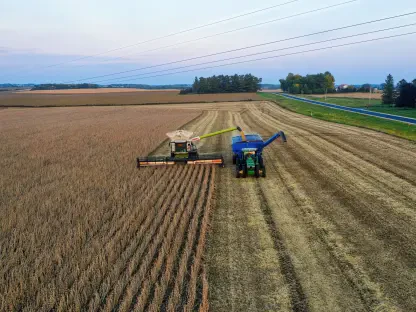
The botanical foundation of the island’s economy is a sophisticated hemp production chain designed to eliminate waste through a closed-loop system. Unlike conventional farming that often focuses on a single yield, this model processes every part of the hemp plant for diverse industrial applications. High-quality fibers are meticulously harvested for the creation of sustainable textiles and durable industrial composites, which are increasingly sought after as eco-friendly alternatives to synthetic materials. By localizing the entire production chain—from the initial seed planting to the final processing stage—the facility minimizes the logistical costs and carbon emissions typically associated with international shipping. This diverse economic foundation creates a resilient business environment where the success of the textile sector directly reinforces the availability of raw materials for other areas. This comprehensive management of botanical resources ensures that no part of the harvest is discarded, positioning the island as a regional leader in high-utility crop management.
Advancing Sustainable Fuel Production
A critical component of this integrated agricultural cycle is the production of B100, a specialized hemp-derived biofuel used to power the facility’s internal operations. By refining the oily residues and biomass of the hemp plant into a high-grade fuel, SwissX Island has significantly reduced its dependence on imported fossil fuels, which are often expensive and environmentally damaging. This transition to renewable energy lowers the total carbon footprint of the facility while providing a reliable power source for industrial machinery and transportation. Any organic leftovers that are not utilized for fuel or fiber are immediately redirected into the biochar production line, ensuring that the biological cycle remains entirely self-contained. This energy independence is a vital step toward creating a truly sustainable industrial site that can withstand global market fluctuations. The internal use of B100 demonstrates how botanical resources can provide a total energy solution for island nations, effectively turning local crops into the primary drivers of modern logistical and industrial infrastructure.
Engineering Solutions for Regional Environmental Challenges
Scaling the Sargassum and Biochar Pipeline
SwissX Island has pioneered a highly effective solution for the sargassum seaweed crisis that frequently disrupts the coastlines and economies of Caribbean nations. Instead of allowing the massive influxes of seaweed to rot on the beaches—a process that harms marine life and deters tourism—the project harvests this organic matter as a valuable feedstock for its Gloria biochar ovens. These high-capacity units process the sargassum in a low-oxygen, high-temperature environment to create biochar, a carbon-rich material that dramatically improves soil health when applied to local fields. This material enhances the soil’s ability to retain water and essential nutrients, which is crucial for maintaining agricultural productivity in tropical climates. By transforming an environmental nuisance into a productive agricultural input, the project has created a scalable pipeline that addresses both ecological restoration and food security. The successful integration of sargassum into the biochar production line proves that invasive biological materials can be repurposed into high-value assets for the community.
Driving Global Carbon Removal Markets
The production of biochar on SwissX Island serves a dual purpose by functioning as a sophisticated tool for long-term carbon sequestration. The carbon captured within the biochar remains locked in a stable form for centuries, preventing it from returning to the atmosphere as a greenhouse gas and contributing to global warming. This measurable environmental benefit allows the project to generate high-quality carbon credits, which are sold on international markets to fund ongoing environmental cleanup and expansion efforts. This financial mechanism creates a lucrative revenue stream that incentivizes large-scale ecological remediation, proving that environmental protection can be a profitable enterprise. By linking soil improvement with the global carbon market, the facility has established a financial model that supports the continuous removal of atmospheric carbon. This synergy between green technology and market finance provides a blueprint for how other coastal regions can leverage their natural environment to participate in the burgeoning green economy while simultaneously restoring their local ecosystems to health.
Integrating Heritage with Modern Economic Innovation
Repurposing History for Community Empowerment
A defining feature of the project is its deep commitment to cultural preservation through the strategic repurposing of colonial-era structures. An abandoned sugar mill, once a symbol of the island’s plantation history, has been carefully transformed into a modern center for community reasoning and spiritual reflection, specifically serving the local Rastafari population. This site now houses biochar manufacturing equipment alongside sanctuary animals, effectively bridging the gap between a difficult historical past and a future defined by ecological empowerment and social justice. By integrating modern industrial processes into traditional architectural sites, the project honors the heritage of the island while providing the tools for modern economic success. This approach ensures that the local community is not just a witness to technological advancement but an active participant in the island’s transformation. The revitalization of these historic ruins serves as a powerful reminder that sustainable development must be grounded in social equity and the preservation of cultural identity to be truly successful.
Pioneering Digital Financial Resilience
To ensure long-term financial independence, the project has utilized the Digital Assets Business Act framework to issue specialized tokens that fund various island initiatives. These blockchain-based assets facilitate global investment into specific regenerative projects, such as the Soursop Reserve, without the need for traditional debt or reliance on foreign aid. This modern financial model empowers local stakeholders by providing them with a transparent and efficient way to participate in a digitized global economy. The use of digital assets ensures that the capital raised is directly reinvested into the island’s infrastructure and community programs, fostering a self-sustaining financial ecosystem. This strategy has allowed SwissX Island to attract international capital while maintaining complete control over its developmental goals and ecological standards. By combining regenerative agriculture with cutting-edge financial technology, the project has established a new standard for economic resilience in small island nations. This integration of finance and ecology provides a practical pathway for achieving financial sovereignty through the implementation of green technologies.
Achieving Long-Term Ecological and Social Stability
Expanding Regenerative Education Models
The ongoing success of the SwissX Island initiative established a comprehensive framework for how coastal regions can navigate the transition to a green economy. By focusing on the full lifecycle of hemp and the remediation of sargassum, the project provided a clear demonstration of the economic viability of circular systems. The facility served as an educational hub where researchers and environmentalists studied the practical application of carbon sequestration and renewable energy production. This knowledge-sharing aspect ensured that the innovations developed on the island could be adapted and replicated in other parts of the world facing similar environmental challenges. The integration of community spaces within the industrial footprint fostered a sense of collective ownership and social cohesion, which proved essential for the project’s long-term stability. Educators utilized the site to teach local students about the importance of biodiversity and sustainable resource management, creating a legacy of environmental stewardship. These efforts solidified the island’s reputation as a global leader in the intersection of education, technology, and social progress.
Implementing Strategic Financial Frameworks
The project concluded its initial expansion phase by successfully demonstrating that localized, closed-loop systems could provide a scalable answer to global ecological crises. By leveraging digital assets and the production of biochar, the facility created a stable financial foundation that did not depend on volatile tourism markets or external subsidies. This model proved that small island nations could achieve significant economic growth by prioritizing the restoration of their natural resources rather than their exploitation. The actionable steps taken—such as the conversion of organic waste into tradable carbon credits and the implementation of decentralized finance—provided a clear roadmap for future regenerative enterprises. These strategies offered a path toward financial independence that remained resilient in the face of global economic shifts. The project’s findings suggested that the combination of high-tech carbon removal and community-centered development was the most effective way to build a sustainable future. Ultimately, the transformation of the site into a thriving circular economy confirmed that with the right technology, even historical ruins could become engines of wealth and restoration.