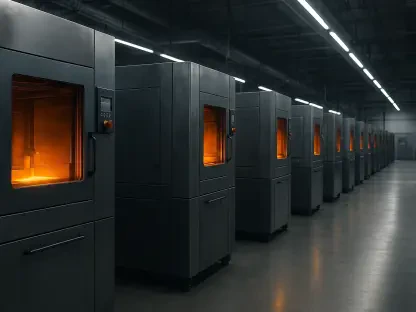

Large-scale energy storage is no longer a niche technology but the backbone of global power grids, yet this rapid scaling has exposed significant vulnerabilities in manufacturing quality control. Since the industry transition into the mid-2020s, over 3,370 distinct quality issues have been identified across dozens of gigawatt-hours of projects, illustrating a massive gap between production volume and reliability standards. These defects are often categorized by their potential for catastrophic failure, ranging from minor cosmetic flaws to critical hazards that could compromise the integrity of an entire utility-scale site. As the push for decarbonization accelerates between 2026 and 2030, the pressure to deliver hardware at breakneck speeds has created an environment where safety-critical systems are frequently overlooked. The disparity in quality assurance between solar and storage must be addressed if the industry is to avoid the reputational and financial damage associated with widespread system failures during this period of expansion.
The Complexities of System-Level Integration
System-level integration currently serves as the primary source of manufacturing defects, accounting for a staggering three-quarters of all identified quality issues in lithium-ion energy storage systems. This dominance in defect rates is largely driven by the high reliance on manual labor during the final stages of assembly, where complex wiring and sensor placements are prone to human error. Unlike the highly automated processes seen in upstream component manufacturing, the integration phase involves intricate physical connections that are difficult to standardize across rapidly evolving product lines. Furthermore, the constant iteration of battery container designs prevents the maturity of assembly processes, leaving little room for the establishment of robust, repetitive workflows. This lack of standardization often results in miswired battery management systems or improperly secured thermal sensors, which can lead to cascading failures once the unit is operational in the field.
Beyond the internal wiring, the balance of system and physical enclosures represent nearly half of all system-level defects, highlighting a critical vulnerability in environmental protection. Structural weaknesses and poor sealing can lead to water ingress, which remains a leading cause of electrical shorts and premature corrosion in outdoor installations. These issues are frequently compounded by the complexity of modern enclosures, which must balance ventilation requirements for thermal management with the need for airtight protection against the elements. When manufacturers fail to rigorously test these enclosures under realistic stress conditions, they risk delivering hardware that is fundamentally unfit for its intended environment. Moreover, performance testing failures, such as charging malfunctions and low round-trip efficiency, often stem from these integration bottlenecks. Without a fundamental shift toward more automated integration techniques or more stringent quality checkpoints, these systemic issues will continue to plague large-scale deployments.
Microscopic Risks in Cell and Module Fabrication
Although cell manufacturing is arguably the most automated portion of the production chain, it remains a significant contributor to critical safety risks through microscopic mechanical failures. One of the most hazardous defects identified at this stage occurs during the electrode slitting process, where even a slight deviation in blade precision can create minute metallic burrs. These burrs are capable of piercing the battery separator over time, creating an internal short circuit that serves as a common precursor to thermal runaway. Because these defects are often invisible to the naked eye and can bypass standard inspection protocols, they represent a latent threat that may not manifest until the battery has undergone several charge cycles. The high energy density of modern lithium-ion cells means that a single flawed electrode can compromise the safety of an entire module, necessitating much higher precision in the mechanical maintenance of manufacturing equipment during high-speed production runs.
The module assembly stage introduces another layer of risk, primarily due to the manual nature of cell sorting and the installation of critical interconnects. Human error during the application of adhesives or the placement of busbars can lead to inconsistent electrical pathways, which in turn causes uneven heat distribution during operation. These inconsistencies are often the result of poor cleanliness standards in the assembly area, where dust or debris can contaminate the gluing surfaces and weaken the mechanical bonds holding the cells in place. Furthermore, manual cell sorting processes are inherently less reliable than their automated counterparts, leading to variations in capacity and internal resistance within a single module. This imbalance forces the battery management system to work harder to maintain equilibrium, eventually reducing the overall lifespan of the storage system. Addressing these module-level vulnerabilities requires a more disciplined approach to workshop hygiene and the implementation of vision-based automated inspection systems.
Establishing Rigorous Standards for Future Reliability
The path forward for the energy storage industry necessitated the adoption of a more rigorous quality assurance framework that mirrored the established protocols found in the mature solar sector. Independent audits conducted during the manufacturing process served as a vital tool for identifying and rectifying defects before equipment reached the project site, significantly reducing the likelihood of hazardous field incidents. By focusing oversight on safety-critical components—including thermal management systems, fire suppression hardware, and battery management software—stakeholders successfully mitigated the most severe risks. The implementation of standardized testing protocols for round-trip efficiency and thermal stability allowed manufacturers to validate performance claims under real-world conditions. These proactive measures not only protected physical assets but also bolstered investor confidence in the long-term viability of gigawatt-scale storage. Ultimately, the industry moved toward a model where precision manufacturing and comprehensive auditing became the baseline for all major energy infrastructure projects.
To ensure the continued growth of the sector, manufacturers and project developers transitioned toward a culture of transparency and rigorous supply chain oversight. This shift involved the integration of digital twin technologies and real-time monitoring of assembly lines to capture defects at the moment of occurrence. By prioritizing the structural integrity of enclosures and the precision of electrode processing, the industry effectively lowered the frequency of thermal events and enhanced the operational life of utility-scale batteries. Furthermore, the collaboration between third-party inspectors and factory managers fostered a continuous improvement loop, where data from field failures informed the next generation of manufacturing standards. These actions provided a concrete roadmap for scaling energy storage safely, ensuring that the technology remained a dependable pillar of the global energy transition. As production volumes continued to rise, the commitment to zero-defect manufacturing became the primary differentiator for market leaders seeking to secure long-term contracts.